



A recent study found that the cost to patients with breast, lung and colorectal cancers treated in the hospital outpatient setting was nearly $8,000 more than those treated in the community setting.
A recent study found that the cost to patients with breast, lung and colorectal cancers treated in the hospital outpatient setting was nearly $8,000 more than those treated in the community setting.
Data from a pilot study showed an added benefit from the incorporation of extra virgin olive oil into the diets of men with low-risk prostate cancer. As a result, this dietary modification could lead to weight loss, while also helping the body to absorb compounds with anticancer properties.
At its third annual gala, the magazine honored four professionals for their work helping people with glioblastoma.

For some, being home for the holidays means lots of extra family time. Bright Pink, a national nonprofit focused on the prevention and early detection of breast and ovarian cancer, shares how women can take advantage of this opportunity to enrich their knowledge about their family's health history.

The FDA approved Sutent to be used in patients who had a nephrectomy and are at high risk of their kidney cancer returning.
Does sugar fuel cancer? What about cell phones? CURE spoke with an expert on some of the most common myths and misconceptions about the disease.
The Food and Drug Administration (FDA) has approved Gazyva (obinutuzumab) in combination with chemotherapy, followed by Gazyva alone, for the first-line treatment of patients with advanced follicular lymphoma, according to Genentech, the manufacturer of the drug.

Feeling stressed and overwhelmed from caring for someone who has cancer is not a sign that you are failing as a caregiver. But since stress can affect your health, it is important to find ways to manage it.
November is National Family Caregiver month. Let's give the caregivers the shout out they deserve!
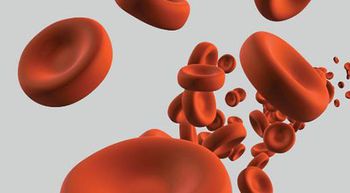
While recent advances in hematology are exciting, they open the door to more questions.
Lacking the pageantry and recognition of other cancers, guys are taking matters into their own hands.
A panel of international oncology experts recently met to exchange thoughts on developments in the field of hepatocellular carcinoma (HCC), the most common form of liver cancer. They discussed screening and staging issues, treatment of advanced HCC and results of recent clinical trials.

November is National Family Caregivers Month. CancerCare’s Caregiver Program Coordinator, Carly O'Brien, OSW-C, LCSW, shares her thoughts on why it’s important to have an awareness month dedicated to caregivers, and the importance of acknowledging the work that caregivers do.
Five years post-treatment is no longer the end zone for breast cancer, and it's about time we did something to change that.
No-Shave November offers an opportunity for cancer awareness and fundraising. Contemplating whether to join in or not can bring back memories of when there was no choice but to go bald instead of letting our hair go wild.
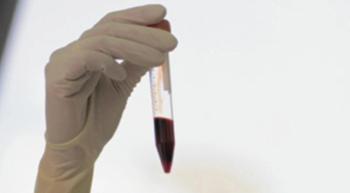
A newly studied blood test could be the answer to a serious question: How can a woman tell if she has ovarian cancer in its earliest stage?
When our bodies have experienced trauma, it is so easy to live in fear of what else may go wrong. But accepting that we don't know what will happen to us also means accepting that the worst is not always inevitable. Sometimes, despite our fears, we still thrive, and that is a reason to recognize that even if you've suffered, you can still be OK.
It was a hard call to make. It felt like choosing to step into the mud—again. Revisit cancer? Seriously? Why?

One of our valued community members, Jen Sotham, passed away on Nov. 9. Jen was diagnosed with metastatic melanoma in 2014, but that did not prevent her from living out her dreams and having her voice heard through film, blogging, a TED talk and contributing to CURE® — both in print and on the web.
People with cancer have to gear up for the emotional and mental workout of dealing with insurance. Here are some tips for coping.

Treatment with Opdivo (nivolumab) plus Yervoy (ipilimumab) improved response rates in patients with melanoma, but not without some severe side effects.
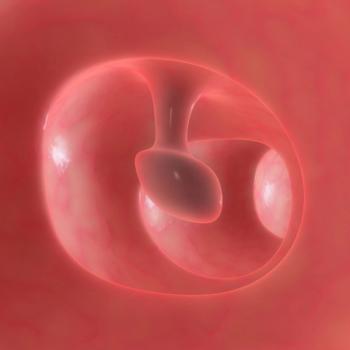
There has been a “renaissance” in the treatment strategies of patients with non-small cell lung cancer (NSCLC) who have EGFR-mutation–positive disease, Edward S. Kim, M.D.