


Having strong social support may lead to better breast cancer outcomes, according to a recent study.
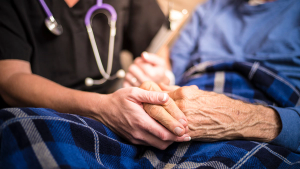
Having strong social support may lead to better breast cancer outcomes, according to a recent study.


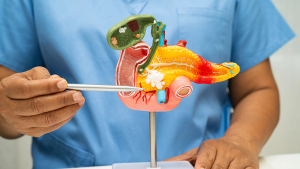
Nutrition, though often overlooked, plays a key role in mitigating the symptom burden of patients with pancreatic cancer.

IMMU-132 had durable responses in patients with heavily pretreated triple-negative breast cancer, according to a recent study.
The curse within the cure of modern medicine
When my mother was given a teddy bear after her mastectomy, I was mystified. How could hugging a teddy bear help? When people started giving me doll figurines after my cancer diagnosis, I started to understand. Hope begins not just with medical intervention but also with the power of the imagination.

Women who are experiencing symptoms of menopause often mistake those events as treatment side effects, leading to a decrease in adherence.
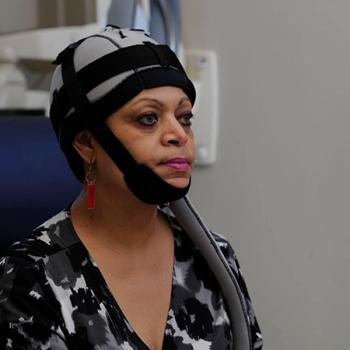
A recent study found that scalp cooling is a safe and effective way to reduce hair loss for women with breast cancer who are undergoing chemotherapy.

Murray Korc, M.D., of the IUPUI Pancreatic Cancer Signature Center, said that the future holds drastic changes for the treatment of pancreatic cancer.

The treatment landscape of bladder cancer drastically changed this spring with the approval of an immunotherapy agent, and will continue to shift in the months and years to come.
A cancer survivor faces a fear and reads the book, "When Breath Becomes Air."
How and why I've chosen to live my cancer in the public eye.

According to results from a recent trial, patients with heavily pretreated lung cancer showed a durable response and clinical benefit with durvalumab.

A subset of patients with breast cancer saw an increase in progression-free survival with the addition of Afinitor to Faslodex.
Growing scientific insights have led to the swift development of treatments for advanced melanoma, leaving doctors to iron out details about their application.
The role of immunotherapies and targeted treatments in lung cancer is evolving at breakneck speed.

Keytruda improved quality of life for patients with lung cancer in a recent trial.
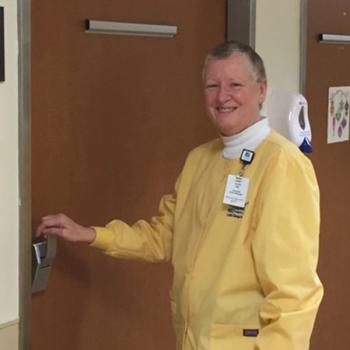
Janet Jones' life changed drastically when she went from oncology nurse to patient with breast cancer.
What happens after the surgeries, chemotherapy and radiation are done?

The 21st Century Cures Act passed in both the House and the Senate, and is on its way to President Obama. However, it will not be met without opposition from some patient groups.

Adding veliparib to a chemotherapy regimen increased response rates for patients with BRCA-positive breast cancer.

Ropeginterferon alfa-2b is noninferior to hydroxyurea (HU) when it comes to complete hematologic response to treat PV.
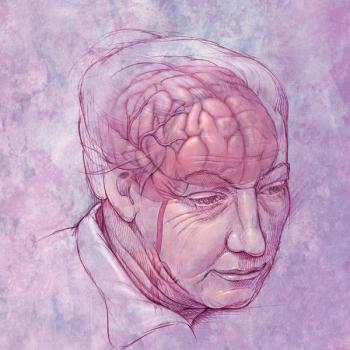
Icotinib greatly improved intracranial progression-free survival for patients with lung cancer who have brain metastases, according to a recent study.

The FDA expanded Avastin's approval to include patients with platinum-sensitive ovarian cancer.
What is the appropriate reaction when a friend is diagnosed with cancer? Should you be sympathetic, optimistic, questioning? How do you handle your own fears—those you feel for your friend and, particularly as you grow older, those that evoke the possibility of personal loss and even the reality of your own vulnerability?
After months and months of fighting to have the medical equipment prescribed by my oncologist, my persistence paid off.
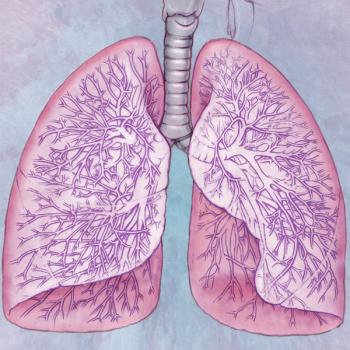
While Opdivo showed improved overall survival, there may be a survival risk within the first few months of taking it, according to recently presented data.