






Insurance companies often try to defend their decisions to deny medical claims but patients have a right to appeal.
Insurance companies often try to defend their decisions to deny medical claims but patients have a right to appeal.

"Although the patients are super important, the siblings are just as important and play a crucial role in their brother or sister’s fight. Time and time again, I found myself telling my sister’s story when I was asked to share my story."
Looking for positives signs of inspiration can help with personal healing after a cancer diagnosis.
Though we are each unique, connecting with fellow cancer survivors helps, says two-time survivor Barbara Tako.

According to an analysis of the phase 3 GOG-0218 trial, patients who had ovarian cancer and mutations in homologous recombination (HR) genes showed improved survival rates when compared to patients without the mutations.
There will be another #Hcchat on Twitter this month with special guest Ellen Matloff.
What is in your chemo tote? What should you give somebody who is getting ready to use one? Make a list, and check it twice.

Opdivo might be the first PD-1 inhibitor approved for a hematologic malignancy after FDA review and approval.

CURE talks with Zsofia K. Stadler, a medical oncologist at Memorial Sloan Kettering Cancer Center, about screening for certain patients with CRC.

A priority review designation was granted to Keytruda for some patients with head and neck cancer. A decision submission is due in August.
Patients and caregivers benefit from informed and sensitive decisions about treatment options. How do you provide the best possible care while successfully balancing personalities and emotions?

Phase 3 studies are giving investigators hope that Lynparza (olaparib) will gain FDA approval for the treatment of ovarian cancer, according to Ursula A. Matulonis.

An interview with Jason Luke, an assistant professor of Medicine at the University of Chicago Medicine, reveals that he thinks immunotherapy should become a main treatment for many patients with melanoma.
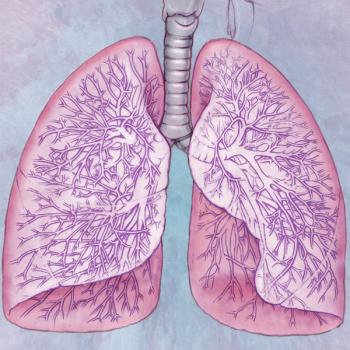
Immunotherapy for the treatment of NSCLC will eventually be used in all settings, according to Edward Kim.
Eighteen months into a metastatic breast cancer diagnosis, and my thinking--and life--has changed in an unexpected way.

In the analysis, there was as much as a 92 percent difference in median overall survival (OS) seen between patients treated in randomized controlled trials and "real world" data.

A team of researchers just discovered a set of risk factors that could help patients with ductal carcinoma in situ (DCIS) evaluate the potential benefits of radiation after breast-conserving surgery.

FDA’s Oncologic Drugs Advisory Committee (ODAC) ultimately voted against the accelerated approval of rociletinib for patients with metastatic EGFR T790M–mutated non–small cell lung cancer (NSCLC) who have previously received an EGFR-targeted therapy.
Thoughts from a cancer dancer.

This new study set out to evaluate the mortality differences between married and unmarried individuals.

After multiple clinical trials, atezolizumab was granted a priority review by the FDA. A decision is expected this fall.

The FDA approved Venclexta for patients with CLL who have a 17p deletion and failed at least one prior therapy.
I ran this race last April knowing that something was not right with my body. I just knew...
Breast cancer and melanoma survivor faces her fear of recurrence and offers two benefits of living with constant uncertainty.

As treatments for kidney cancer continue to evolve, oncologists, surgeons and patients are faced with a number of questions.

Doctors are optimistic about the future of immunotherapies for the treatment of brain cancer.

O’Shaughnessy highlighted a group of agents that encompasses entirely new ideas and new options for patients as well as novel avenues from follow-up data from clinical trials.

A recent study pointed out that food intake may play a role in lung cancer, as people who had a diet with a higher glycemic index (GI) were at greater risk for developing the disease.

The field of immunotherapy has been revitalized thanks to the approval of checkpoint inhibitors, and according to Mario Sznol, this could prove beneficial to patients with RCC.
We are often far harsher on ourselves than we would be with others.