Many people with pancreatic cancer can't fully digest food. Here's how pancreatic enzyme replacement therapy (PERT) works, how to take it with meals and snacks, and what side effects to know.
Most people with pancreatic cancer lose weight they didn't mean to. Here is how weight loss from poor digestion differs from cachexia, and what enzymes, eating strategies and appetite medicines can do.
If you have pancreatic cancer and your clothes are getting looser even though you are trying to eat, you are far from alone. "Unintended weight loss is very common in people with pancreatic cancer," according to the American Cancer Society, and many people also have little or no appetite.
November is Pancreatic Cancer Awareness Month, and weight loss is one of the side effects patients and caregivers ask about most. The good news is that some causes of weight loss can be treated directly. The key is figuring out which kind of weight loss you are dealing with, because the fixes are different.
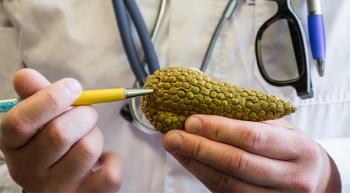
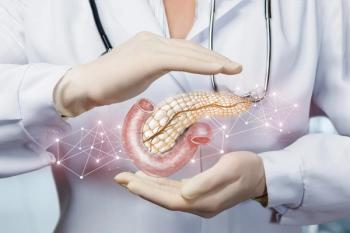
The pancreas is a gland behind the stomach that makes enzymes, which are proteins that break down food, and hormones such as insulin, which controls blood sugar. A tumor in the pancreas can interfere with both jobs. When digestive enzymes can't reach the intestines, the body can't absorb fat and other nutrients from food, no matter how much you eat. The tumor can also destroy insulin-making cells, and the American Cancer Society notes that pancreatic cancer can cause diabetes (high blood sugar).
On top of that, the National Cancer Institute (NCI) explains that pancreatic cancer "is known to use nutrients for its own growth, depriving your body of energy."
The first type of weight loss comes from exocrine pancreatic insufficiency, or EPI, which means the pancreas isn't releasing enough digestive enzymes. The Pancreatic Cancer Action Network (PanCAN) calls this "very common among people with pancreatic cancer." Telltale signs include floating or greasy stools, a lot of gas, cramping after meals, loose or frequent stools, and weight loss.
The second type is cachexia (pronounced kuh-KEK-see-uh), a wasting syndrome that causes weakness, fatigue and loss of muscle. NCI says inflammation is thought to be the main driver and that, unlike simple malnutrition, cachexia "cannot be reversed with nutrition support alone." PanCAN estimates that cachexia affects almost 9 in 10 people living with pancreatic cancer. Many people have both problems at once, which is why it helps to have your care team look at each one.
If EPI is part of the picture, pancreatic enzyme replacement therapy, or PERT, replaces what your pancreas can't make. NCI notes that PERT is usually a pill taken with meals and "can help prevent weight loss because it enables your body to digest food and absorb nutrients." PanCAN advises taking enzymes with every meal or snack that contains fat, at the beginning of the meal rather than the end. Your doctor or dietitian sets the dose, and it often needs adjusting. CURE's explainer on
For cachexia, there is no single cure, and no medicine is approved by the Food and Drug Administration (FDA) specifically for it. The American Society of Clinical Oncology (ASCO) guideline on cancer cachexia recommends dietary counseling for patients and caregivers. It says feeding tubes and IV nutrition should not be used routinely.
In a 2023 update, ASCO said doctors may offer low-dose olanzapine, a long-used medicine also prescribed for nausea, once a day to adults with advanced cancer to improve appetite and weight gain. That update was based on a randomized trial of 124 people getting chemotherapy, including people with pancreatic and related cancers. Weight gain of more than 5% happened in 60% of people taking olanzapine vs. 9% taking a placebo (an inactive pill), and appetite improved in 43% vs. 13%. If olanzapine doesn't agree with you, ASCO says a short trial of a progesterone-like medicine or a steroid is another option.
Small, frequent meals tend to work better than three big ones. NCI suggests eating every 2 to 3 hours, about five or six times a day, starting within an hour of waking up. Eat high-protein foods first, add calories with whole milk, full-fat cheese or creamy sauces, and drink fluids between meals rather than with them so you don't fill up too fast.
A registered dietitian who works with people with cancer can tailor these tips to your symptoms, your enzyme dose and any new diabetes. Caregivers can help by keeping easy snacks within reach and writing down what and how much their loved one eats each day.
NCI advises telling your care team if you lose more than 3 to 5 pounds in one week. Also speak up about greasy or floating stools, diarrhea, cramping after meals or a loss of appetite that lasts. These are not things you simply have to live with, and treating them early can help you keep your strength for treatment.
For more news on cancer updates, research and education,