


Breast Cancer
Latest News

Advertisement
Latest Videos



Advertisement
More News

Last night, my husband asked what I wanted for Christmas.
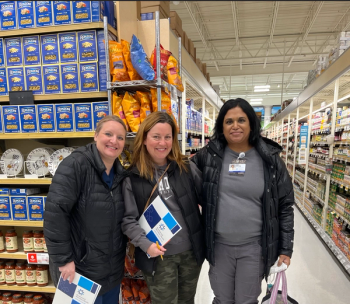
Last Christmas, Cathy McQueen didn’t “feel so great” and noticed a strange indent on her right breast — quickly finding out she had a form of breast cancer.

I heard some bad comments and had scary thoughts after being diagnosed with breast cancer, but the good outweighed the bad.

I had never donated to St. Jude’s Hospital before, even though I’d had cancer twice.


A recent study found a correlation between perfectionism and fear of cancer recurrence within patients with breast cancer.

A nurse practitioner talks about personalized therapy and the role that genomic testing plays for patients with breast cancer.

Breast cancer treatment can disrupt patients’ quality and quantity of sleep, leaving them fatigued and restless during the day.

New tools help manage ESR1 mutations in metastatic breast cancer.
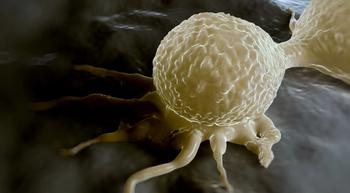
Patients with chemotherapy-naïve, HER2-low hormone receptor-positive metastatic breast cancer experienced antitumor activity via combination therapy with Arimidex or Faslodex plus Enhertu, according to data from the phase 1b DESTINY-Breast08 trial.

Oct. 8, 2019 was the last day of chemotherapy for my girl.

My first oncologist was the nicest man. I only gave him up because we moved to a different state.

“I have found many survivors to be very strong women who seem like they have things under control but it’s always important for family and friends to check in,” television personality, author and breast cancer survivor Giuliana Rancic told CURE.

Now having conquered three cancers and am fighting metastatic pancreatic cancer, scars from all the surgeries within the last 26 years have shown victories and hope.
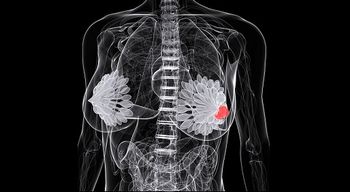
Results from a study found that child-related factors and depression in mothers with breast cancer were not related to cancer.
Data showed that metabolic and genetic factors could contribute to aggressive tumors in Latin American and non-Hispanic White patients with breast cancer.
A breast cancer survivor explains “one of the beautiful things” about antibody drug conjugates in the metastatic breast cancer space.
Could killing cancer be as simple as changing your diet?
CURE® recently covered the San Antonio Breast Cancer Symposium. In case you missed it, here is some news that came out of the conference that patients should know about.

Presurgical Keytruda Plus Chemo, Postsurgical Keytruda Continued to Show Benefits in in patients with high-risk, early-stage triple-negative breast cancer.

Opdivo and non–anthracycline containing chemotherapy before surgery produced promising pathologic complete response rates regardless of whether Opdivo was administered before or during treatment with carboplatin and paclitaxel in patients with stage 1 to 2B triple-negative breast cancer.
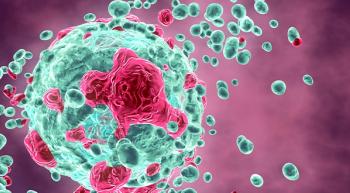
Preliminary study results examining the bispecific antibody, CDK4/6 inhibitor and hormone therapy combination in patients with advanced breast cancer were presented at SABCS.
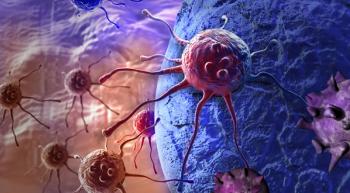
Results from the ADAPTcycle trial found that endocrine therapy plus ovarian suppression can generate high response rates in patients with HR-positive, early breast cancer, regardless of age.
A recent phase 3 APTneo Michelangelo trial added Tecentriq to neoadjuvant Herceptin plus Perjeta and chemotherapy which did not lead to a statistically significant improvement in pathologic complete response in patients with HER2-positive operable breast cancer.

Kadcyla outperformed Herceptin regarding overall- and invasive disease-free survival in patients with HER2-positive early breast cancer that still had remaining invasive disease after undergoing neoadjuvant therapy.
Advertisement
Advertisement
Trending on CURE
1
Breast Cancer Treatments Awaiting FDA Decisions: 4 to Watch
2
From Precision Medicine to AI: The Future of Cancer Care
3
FDA Approves Etcamah Plus CDK4/6 Inhibitor for ESR1-Mutated Breast Cancer
4
The Nurse Who Got Me Through CAR-T Cell Therapy for Myeloma
5