

Though clinical work is ongoing and early, researchers are already considering how to manage potentially fatal neurotoxicities in patients treated with chimeric antigen receptor (CAR) T-cell therapy.
Though clinical work is ongoing and early, researchers are already considering how to manage potentially fatal neurotoxicities in patients treated with chimeric antigen receptor (CAR) T-cell therapy.

I don't sign the hospitality guest book. I'm a ghost floating through the corridors. I don't want to make an impact here; don't want to call Roswell Park Cancer Institute home. But when a stranger offers comfort, I'm filled with hope.
By donating stem cells through Be The Match, healthy adults can save the lives of people with blood cancers.
Two transplants, three mini triathons. Running the race for myself and others shows how lessons learned in the hospital translate to victory on the outside.

Questions persist regarding mechanisms of PD-L1 overexpression in lymphoid malignancies, patient selection, biomarkers to guide therapy and predict response, and identification of agents to use in combination with PD-1/PD-L1 inhibitors.
Two types of effective treatments for non-Hodgkin lymphoma are cell signaling inhibitors and monoclonal antibodies.
Returning to the mechanics of transplant, Kevin gives some details of the six-month milestone, but is unable to refrain from a bit of hopeful philosophy.
Fred R. Hirsch, from the University of Colorado and IASLC, discusses some of the unique challenges he faced as a patient.
A survivor "pays it forward" by stressing the importance of knowing your risks.
Susan Thornton provides an overview of the unmet needs in cutaneous lymphoma.
Susan Thornton discusses her story and her efforts to bridge the knowledge gap between researchers and patients.

The FDA has approved Adcetris as a consolidation therapy following autologous stem cell transplantation in patients with Hodgkin lymphoma at risk of relapse or progression, based on the phase 3 AETHERA trial.
Kevin explains, in a rather tedious manner, his procedure for washing his hands and other immune-deficient oddities.

CURE spoke with Bruce D. Cheson to gain a deeper understanding of adding the targeted therapy Gazyva to the chemotherapy Treanda for patients with Rituxan-refractory indolent non-Hodgkin lymphoma.
Where our intrepid transplant recipient discovers that being a vampire isn't all it's cracked up to be.
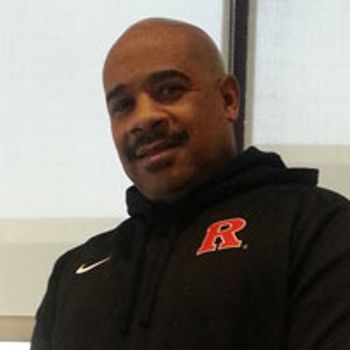
When people think of cancer too often fear gets in the way of allowing us to look past the cancer itself and to the people who have been diagnosed with the disease.
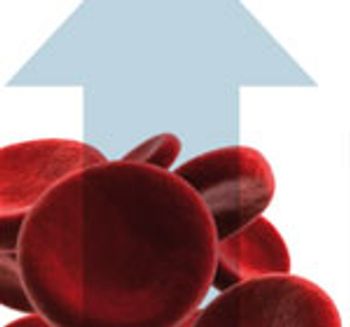
Patients with relapsed indolent non-Hodgkin lymphoma who took the anti-CD20 agent Gazyva with Treanda, rather than Treanda alone, doubled their time until further disease progression during the phase 3 GADOLIN study.

A navigator-designed, proactive, weekly, telephone support call to help patients with blood cancers manage their symptoms between appointments was able to significantly reduce unplanned hospitalizations at a Colorado cancer center.
A guide for allogeneic transplant patients after the hospital.
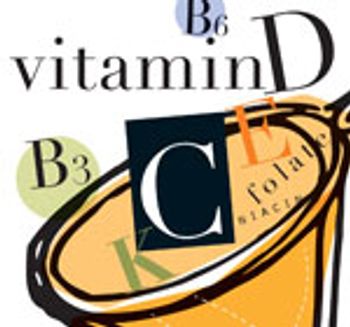
A new study has found that patients with lower vitamin D levels prior to treatment for follicular lymphoma are more likely to die or relapse from the disease earlier than patients with adequate vitamin D levels in their blood.
In the ring, it's not about whether you win or lose; it's about never staying down and never giving up.

When my doctor told me that I had stage 4, grade 3a follicular lymphoma, I thought that it was impossible: I had firmly put cancer in my rear view mirror seven years prior. Yet here I was, hearing for the word "cancer" for the second time by the age of 26.
Adam Asch, senior deputy director of Stephenson Cancer Center, gives advice to patients after they have been diagnosed with lymphoma.
The weeks and days leading up to transplant, the anticipation and reality
Carl Harrington, president of the International Waldenstrom's Macroglobulinemia Foundation (IWMF), explains the importance of Imbruvica's approval for the rare disease.