



Myeloma
Latest News
Advertisement
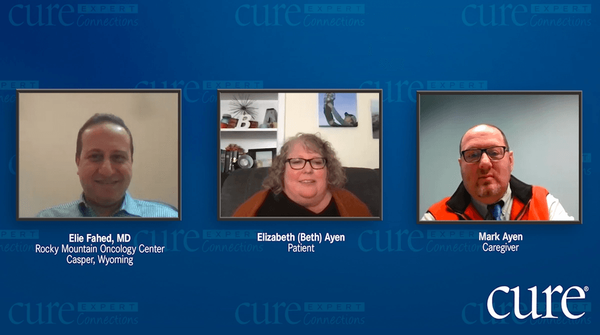
Multiple Myeloma Diagnosis: The Beginning of Beth’s Story
Elie Fahed, MD, provides an overview of what multiple myeloma is, and Beth walks us through her frustrating journey to initial diagnosis as an atypical patient.
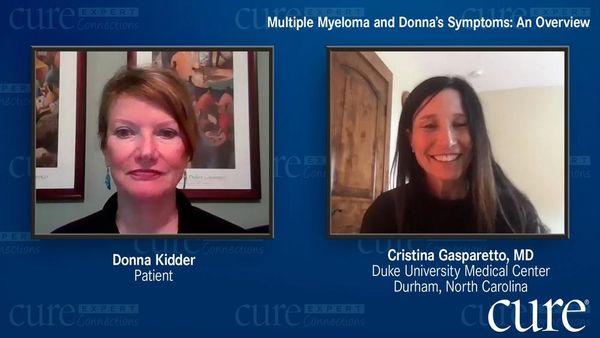
Multiple Myeloma and Donna’s Symptoms: An Overview
Cristina Gasparetto, MD, gives a brief overview of the multiple myeloma disease state and introduces us to Donna, one of her patients diagnosed with multiple myeloma.
Latest Videos




Advertisement
More News
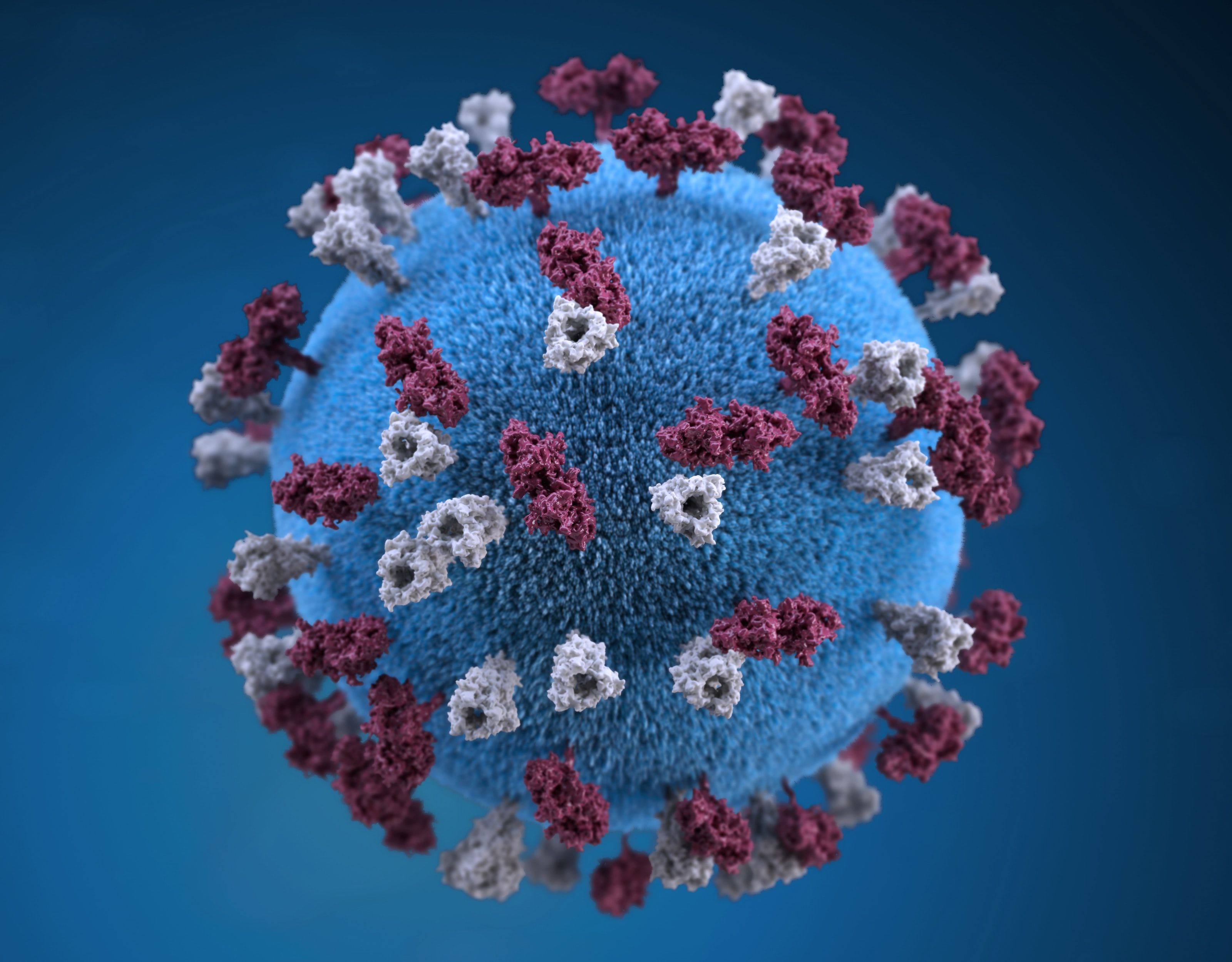
New findings show that 43% of patients with certain blood cancers produced COVID-19 antibodies after receiving a third full dose of the mRNA vaccine.

A certified oncology nurse and board-certified adult nurse practitioner explained how the recent FDA approval of Darzalex Faspro, Kyprolis and dexamethasone may allow patients with relapsed/refractory multiple myeloma to switch treatments after discovering their current treatment is no longer working.

Treatment with the CAR-T cell therapy ciltacabtagene autoleucel (cilta-cel) led to a 97.9% response rate at two years in patients with relapsed/refractory myeloma in a recent clinical trial.
Two different doses of Venclexta combined with Darzalex and the steroid dexamethasone elicited effective responses appeared safe in patients with t(11;14) relapsed/refractory multiple myeloma.
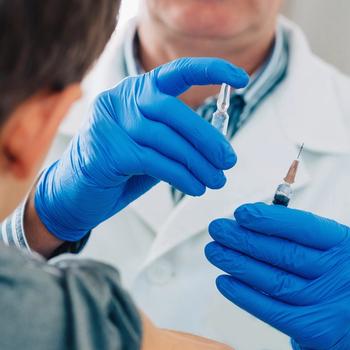
Treatment with Ninlaro plus Darzalex and a low dose of the steroid dexamethasone was associated with favorable responses to treatment in non-transplant eligible, intermediate-fit patients with newly diagnosed multiple myeloma.

Researchers found that depression and anxiety may skew patient perceptions of participating in blood cancer clinical trials, thus contributing to low enrollment throughout the United States.

In recent trial results, a dose reduction of Xpovio (selinexor) was associated with longer progression-free survival and duration of response while also reducing side effects in patients with multiple myeloma.
On this episode of the “Cancer Horizons” podcast, a woman with multiple myeloma shares how she made the best of her cancer treatment process by channeling her emotions through fashion expression.

The FDA approved the three-drug regimen of Darzalex Faspro, Kyprolis and dexamethasone for patients with pretreated relapsed/refractory multiple myeloma.

Darzalex plus Revlimid and dexamethasone may be the preferred option to treat older patients with multiple myeloma who are ineligible for stem-cell transplant.
An expert explains how two common myeloma treatments – CAR-T cell therapy and bi-specific antibodies – work, and which patients may want to steer clear from these treatment modalities.

Myeloma survivors, their loved ones and clinicians trekked up the Alaska-Kenai Peninsula to raise money and funds for the disease, offering one nurse the inspiration she needed after more than a year of the COVID-19 pandemic.

Engineered cell technology is an example of ingenuity that brings together cutting-edge laboratory science and clinical trials to address aggressive cancers.

Colin Powell has died of complications from COVID-19 after receiving treatment for a blood cancer.
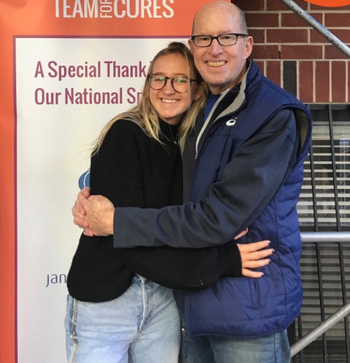
After receiving a diagnosis of multiple myeloma, a patient relied on the Multiple Myeloma Research Foundation for information and is becoming part of the conversation.

Natural killer cell therapy is making strides in blood cancer research, but there’s still much more to learn.

Caregivers of patients with cancer may face financial toxicity and stress — with little time to take care of themselves.

Patients with myeloma should not be afraid to seek out second opinions or speak up about side effects that they are experiencing.
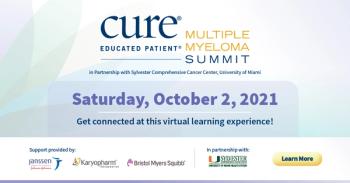
View the full CURE® Educated Patient® Multiple Myeloma Summit in Partnership with Sylvester Comprehensive Cancer Center, University of Miami on demand.

The prescription of systemic cancer therapies varies based on a patient’s age, comorbidities, cancer stage and other variables, according to recent research.
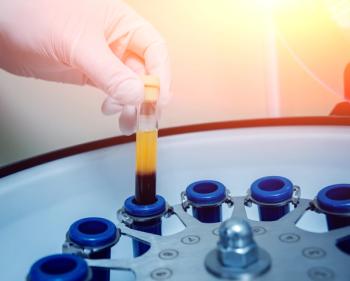
The use of convalescent plasma therapy in patients with blood cancers and COVID-19 was associated with an improvement in survival from the infection.
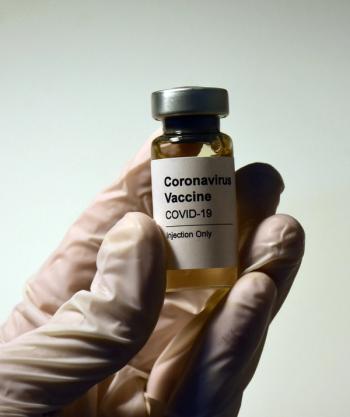
Patients who are immunocompromised, such as patients with blood cancers, may get the boosted immunity needed to reduce their risk for contracting COVID-19 and hospitalization for compilations related to the virus.
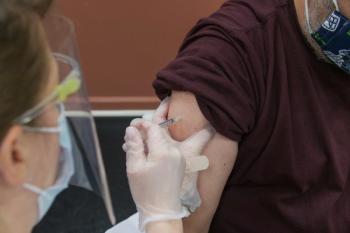
Fifteen percent of patients with myeloma did not have detectable antibodies two weeks after receiving the COVID-19 vaccine.

Patients with myeloma who are receiving Pepaxto should discuss the potential risks and benefits of continued treatment with the drug.
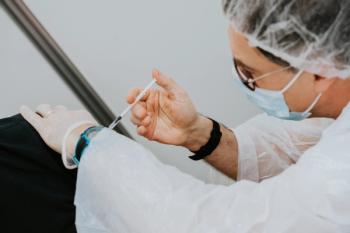
About 25% of patients with blood cancer did not produce antibodies after being vaccinated against COVID-19.
Advertisement
Advertisement