




Myeloma
Latest News
Advertisement
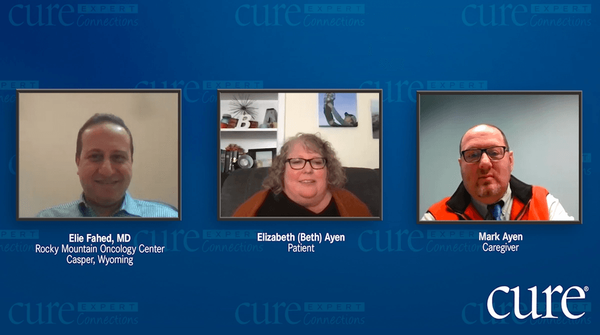
Multiple Myeloma Diagnosis: The Beginning of Beth’s Story
Elie Fahed, MD, provides an overview of what multiple myeloma is, and Beth walks us through her frustrating journey to initial diagnosis as an atypical patient.
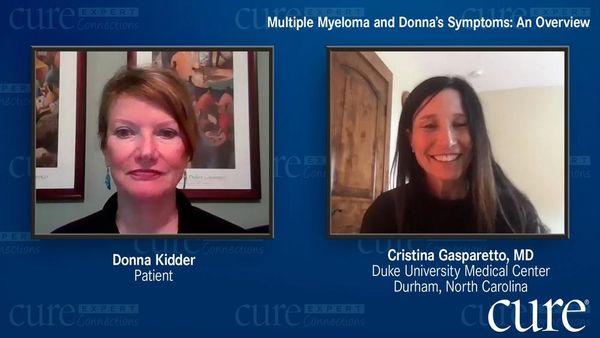
Multiple Myeloma and Donna’s Symptoms: An Overview
Cristina Gasparetto, MD, gives a brief overview of the multiple myeloma disease state and introduces us to Donna, one of her patients diagnosed with multiple myeloma.
Latest Videos



Advertisement
More News

The FDA’s Oncologic Drugs Advisory Committee voted against the continued approval of Pepaxto for pretreated relapsed/refractory myeloma, based on survival data from a clinical trial.
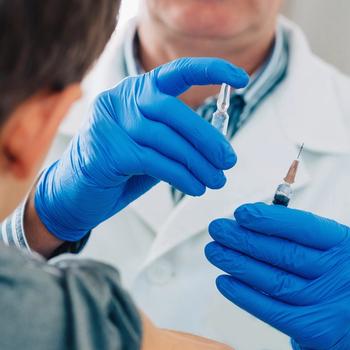
Delivering Sarclisa via an under-the-skin injection may improve the quality of life of patients with pretreated relapsed, refractory multiple myeloma, according to recent research.

Firefighters and recovery workers exposed to the aftermath of 9/11 in New York City had a higher occurrence of MGUS, a condition which may progress to myeloma, according to recent research.
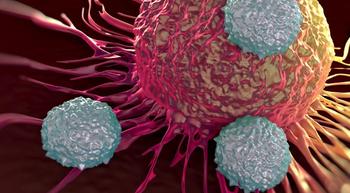
Long-term follow-up shows that treatment with Empliciti plus pomalidomide and dexamethasone continues to significantly increase survival rates in patients with relapsed or refractory multiple myeloma, a persistent cancer affecting white blood cells that may be resistant to treatment.

Lisa’s excellent fund of knowledge, experience in oncology, outstanding judgment and interest in learning all make her a truly outstanding clinician.
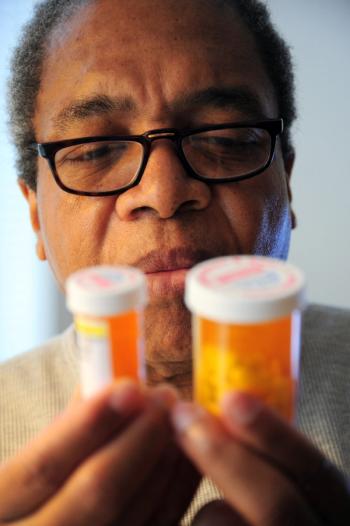
The use of five or more medicines — as well as some drugs that could be deemed inappropriate — may put older patients with cancer at a higher risk for complications, such as weakness.

Data from a clinical trial demonstrate a “clear clinical benefit” of using a CAR-T cell therapy in patients with multiple myeloma, according to the drugs manufacturer.

Findings from previous studies have shown that patients with blood cancers have been less likely to produce antibodies that protect them against COVID-19 after vaccination, but new research indicates that the booster shot may help.
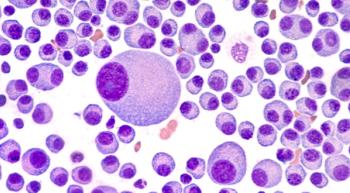
The myeloma treatment group of the COVALENT-101 clinical trial recently started, analyzing the new drug BMF-219 in patients with relapsed or refractory disease.

She has helped me so much with my medications, and she always lifts me up when I need it most.

One patient turned her diagnosis of multiple myeloma into a way to educate others as an advocate.
The best advocate for a patient with cancer is someone who knows exactly what they're going through, noted a multiple myeloma survivor.

Patients who underwent Revlimid, Velcade, and dexamethasone therapy followed by maintenance Revlimid, tended to have better outcomes when they underwent autologous stem cell transplant.
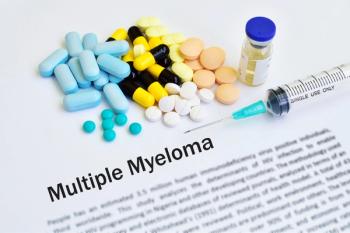
Patients with multiple myeloma were more likely to have no traceable amounts of disease left when Darzalex was added to a treatment regimen of Revlimid, Velcade and dexamethasone.

The hope, according to an expert, is that this trial will expand CAR-T cell therapy access to more patients with multiple myeloma.
The combination of Sarclisa, Kyprolis and dexamethasone improved progression-free survival in patients with pretreated, relapsed myeloma, and has potential to become a new standard of care, an expert said.
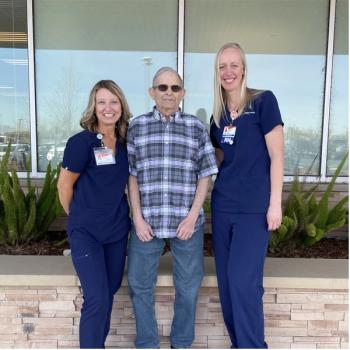
They work as a team always. In this way, they are always up-to-date on each and every patient’s condition and needs.

As anyone who has sat at the bedside of a terminally ill patient knows, those who hold out a hand — literally or figuratively — to help a patient and their loved ones is a hero to them.
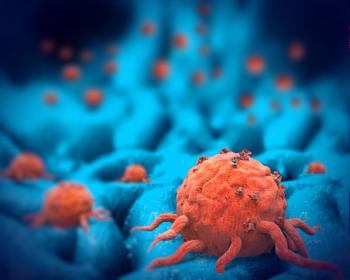
In recent years, BCMA-targeted therapies have changed the landscape of relapsed/refractory myeloma treatment, filling a previously unmet need.

The results, according to the study authors, may highlight a bigger issue related to structural racism in health care.
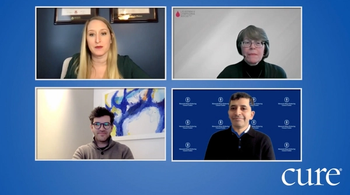
Watch Kristie L. Kahl, with Sham Mailankody, MBBS; Cesar Rodriguez, MD; and Lynn Steele, discuss new therapies on the horizon, during the CURE Educated Patient Multiple Myeloma Summit.
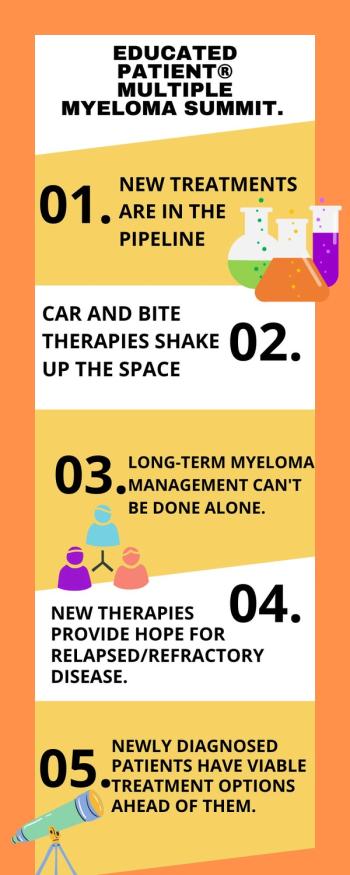
Here are some key takeaways from the CURE® Educated Patient® Multiple Myeloma Summit.
Watch Dr. Cesar Rodriguez, of the Multiple Myeloma Program at the Ichan School of Medicine at Mount Sinai, discuss upcoming FDA approvals in the space, during the CURE Educated Patient Multiple Myeloma Summit.
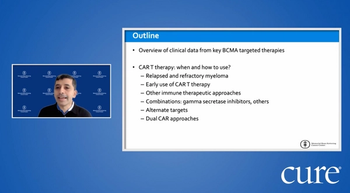
Watch Dr. Sham Mailankody, from Memorial Sloan Kettering Cancer Center, discuss CAR and BiTE therapy, during the CURE Educated Patient Multiple Myeloma Summit.
Watch Dr. Saad Z. Usmani, Dr. Ben Marcus and Stan Wagner discuss their participation in the Moving Mountains for Multiple Myeloma program, during the CURE Educated Patient Multiple Myeloma Summit.
Advertisement
Advertisement