
Videos
Clinical trials may seem scary and challenging for patients with cancer, but in reality, they don’t have to be. Here is how talking to former patients on clinical trials can help.
Katie’s Journey With Stage IV Ocular Melanoma That Has Spread to the Brain
ByPriscilla Brastianos, MD, Massachusetts General Hospital of Harvard Medical School,Manmeet Ahluwalia, MD, Cleveland Clinic,Raymond Sawaya, MD, MD Anderson Cancer Center,Vinai Gondi, MD, Northwestern Medicine Cancer Center,Ralph DeVitto, American Brain Tumor Association (ABTA),Ivy Elkins, Patient,Katie Doble, Patient,Nick Doble, Caregiver
Ivy’s Journey With Stage IV Non–Small Cell Lung Cancer That Has Spread to the Brain
ByPriscilla Brastianos, MD, Massachusetts General Hospital of Harvard Medical School,Manmeet Ahluwalia, MD, Cleveland Clinic,Raymond Sawaya, MD, MD Anderson Cancer Center,Vinai Gondi, MD, Northwestern Medicine Cancer Center,Ralph DeVitto, American Brain Tumor Association (ABTA),Ivy Elkins, Patient,Katie Doble, Patient,Nick Doble, Caregiver
Discussing the Potential for Brain Metastases With Patients
ByPriscilla Brastianos, MD, Massachusetts General Hospital of Harvard Medical School,Manmeet Ahluwalia, MD, Cleveland Clinic,Raymond Sawaya, MD, MD Anderson Cancer Center,Vinai Gondi, MD, Northwestern Medicine Cancer Center,Ralph DeVitto, American Brain Tumor Association (ABTA),Ivy Elkins, Patient,Katie Doble, Patient,Nick Doble, Caregiver
Cancer Types Associated With Brain Metastases
ByPriscilla Brastianos, MD, Massachusetts General Hospital of Harvard Medical School,Manmeet Ahluwalia, MD, Cleveland Clinic,Raymond Sawaya, MD, MD Anderson Cancer Center,Vinai Gondi, MD, Northwestern Medicine Cancer Center,Ralph DeVitto, American Brain Tumor Association (ABTA),Ivy Elkins, Patient,Katie Doble, Patient,Nick Doble, Caregiver

In an interview, Dr. Matthew Davids of the Dana-Farber Cancer Institute discusses the future of CAR T-Cell therapy in the treatment of younger patients with chronic lymphocytic leukemia.

In an interview with CURE®, expert Martha Raymond explains the importance of clinical trials during the COVID-19 pandemic and how clinicians must find a way to help ease patients anxieties as they return to the clinic.

In a recent interview with CURE®, a medical oncologist from the Dana-Farber Cancer Institute discussed why it’s important for patients with CLL, regardless of their treatment plans, to keep up on vaccinations and maintain a regular cancer screening schedule.
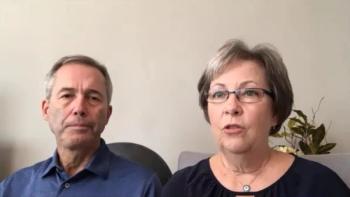
Janice and Rex Cowden sat down for an interview to discuss how to navigate a cancer diagnosis as a couple, and that communication is not only the key to a better cancer journey but a better marriage.
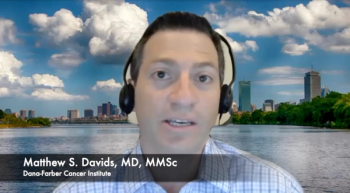
In a recent interview with CURE®, a medical oncologist from the Dana-Farber Cancer Institute in Boston discussed how the addition of Copiktra to a three-drug chemotherapy combination improved outcomes in patients with CLL, with more than half achieving complete remission.

In an interview with CURE®, Dr. Lawrence An discusses how expressive writing can be a tool to reduce stress in patients with cancer.

It's easy to get lost in the statistics of survivorship, but it's important for newly diagnosed patients with cancer to remember that they are not a statistic.

In a recent trial, the addition of chemotherapy to endocrine therapy showed clinical benefit in premenopausal women with lymph node-positive, HR-positive, HER2-negative breast cancer.

View the full CURE Educated Patient Women's Cancer Summit on demand.
Advertisement
Advertisement