A study found that 1 in 9 older cancer survivors developed a second cancer, highlighting why routine screening remains important beyond five years.
After Diane Montalto’s stage 4 colon cancer diagnosis, she and daughter Alyssa turned fear, family support and survival into hope for others.
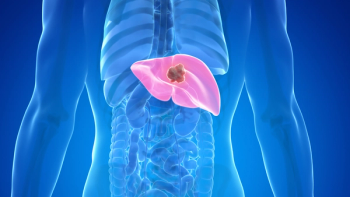
When Diane Montalto went in for a colonoscopy in early 2022, cancer was the last thing on her mind. Healthy, active and with no family history of cancer, she never imagined doctors would discover a two-inch tumor in her colon — and additional tumors in her liver. Within moments, everything changed.
For her daughter, Alyssa Montalto, the diagnosis felt surreal.
“Cancer always seemed like something so far away that you heard about, but you were never directly affected by it,” Alyssa said. “Then suddenly you’re looking at the scan, and you don’t want to believe what you’re seeing.”
What followed was a year defined by fear, uncertainty and resilience as Diane underwent 15 rounds of chemotherapy and two major surgeries at Memorial Sloan Kettering Cancer Center.
But through every difficult moment, the Montalto family leaned on each other — and learned how powerful support can be during a cancer diagnosis.
Alyssa remembers experiencing every emotion possible after learning her mother had stage 4 colon cancer.
“There was shock, anger, fear — every single emotion,” she said. “The fear was insurmountable.”
While Diane tried to remain emotionally strong throughout treatment, Alyssa said the emotional toll on the family was impossible to ignore. Her brother flew home from Chicago. Extended family members stepped in to help. Everyone rallied around Diane as they faced each new challenge together.
“I think having such a large family made it a little bit easier because it felt like we were all in it together,” Alyssa said. “I never felt like I was fighting it alone with my mom.”
That support system became essential during months filled with chemotherapy appointments, surgeries and uncertainty about what would happen next.
One of the biggest lessons the family learned was to stop looking too far ahead.
“If you future-trip about all the ‘what ifs,’ those are what really drag you down,” Alyssa explained. “What helped all of us was really taking it day by day.”
Instead of focusing on worst-case scenarios, the family celebrated every milestone — no matter how small. Diane recalled how Alyssa organized surprise celebrations during treatment to keep everyone hopeful and connected.
Diane also emphasized the importance of trusting doctors and staying positive, even during the hardest moments.
“You have to listen to your body, listen to your doctors and never give up,” Diane said. “There’s always hope.”
Later that year, Diane was declared cancer-free. But for Diane and Alyssa, surviving cancer was not the end of the story — it became the beginning of something new.
Recognizing that not every patient has the kind of support they had, both became volunteer mentors through Cancer Hope Network, helping cancer patients and caregivers navigate the emotional realities of diagnosis and treatment.
Today, the mother-daughter duo supports patients facing many of the same fears and questions they once faced themselves.
“Sometimes people just need someone who understands what they’re going through,” Alyssa said.
Their story now serves as a reminder not only of the importance of early detection and advocacy, but also of the profound impact family, community and peer support can have during cancer treatment.
Looking back, Diane hopes others take away one simple message: never lose hope.
Today, Diane and Alyssa continue to share their story not just as survivors and caregivers, but as mentors helping others navigate the uncertainty of cancer.
Through Cancer Hope Network, they have transformed one of the hardest periods of their lives into a source of comfort and encouragement for other families facing similar diagnoses.
Their journey is a reminder that cancer affects far more than the patient alone — it impacts entire families. But it also shows the power of support, resilience and hope, even in the face of a stage 4 diagnosis.
“You realize how much support matters,” Alyssa said. “And how important it is to remind people they’re not alone.”