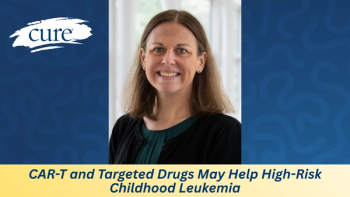
Researchers are studying whether combining CAR-T cell therapy with targeted drugs could help children with high-risk leukemia, including infants whose cancer may be more likely to return after treatment.
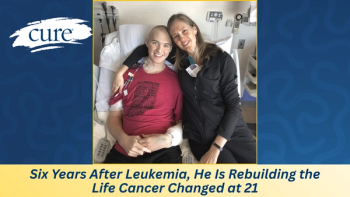
Six years after being diagnosed with B-cell ALL at 21, William Yank opens up about the physical changes of treatment, the emotional weight of constant care and the role hope plays in his survivorship.
At 21, William Yank was excited about life until pain in the joints of his hands appeared, followed by exhaustion that continued to worsen.
Several nights into what he thought was an illness he could wait out, Yank went to the refrigerator for a bottle of water and could not pull the door open. His roommate realized something was wrong and took him to the emergency department, where Yank was delirious and talking about being on vacation in Florida.
Doctors diagnosed him with B-cell acute lymphoblastic leukemia (ALL), along with a serious staph infection that had to be brought under control before treatment could begin.
The first weeks were physically difficult. Fluid retention caused Yank to gain 50 to 60 pounds in a short period. He was bedridden for one to two weeks and sometimes passed out when he tried to stand. For someone who had built much of his identity around track and fitness, losing that strength so quickly was hard to process.
The emotional toll followed soon after. Yank said he was constantly being touched, poked and prodded by his care team. Although he felt they were respectful, losing that sense of privacy still became difficult. At times, he asked his mother to clear the room so he could cry alone.
Weekly phone sessions with his therapist, Ed, gave him space to process those emotions as they came. Going from running a 5K to struggling to make it down a hospital hallway changed how he saw himself. Therapy helped him move through denial and begin accepting what he described as his "new normal."
Six years into remission, Yank remains open about the parts of survivorship that have not become easier. He still manages anxiety and depression, takes medication and has days when getting out of bed is difficult, something he has also been open about at work.
Yank said he tries to hold onto hope for the future, find it in the present and use what he has learned to keep pursuing a career, dreams and relationships, even when they look different from what he imagined before cancer.
For more news on cancer updates, research and education,