
|Videos|March 28, 2016
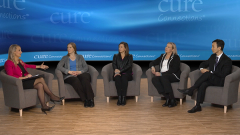
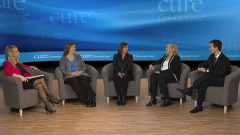
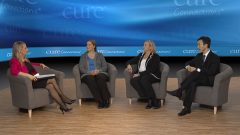
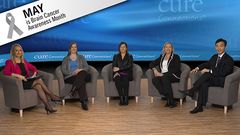
Brain Cancer Awareness Month Highlight Reel
Advertisement
Episodes in this series
Advertisement
Related to this article

The FDA approved Wilserdly (giredestrant) on Nov. 23, 2026, as a daily hormone pill after surgery for some people with ER-positive, HER2-negative early breast cancer. Here are answers to the questions patients are asking about who it is for, how well it worked and what side effects to expect.

Six years after her follicular lymphoma diagnosis, a survivor reflects on what cancer changed in her life, from retiring early to living with uncertainty.
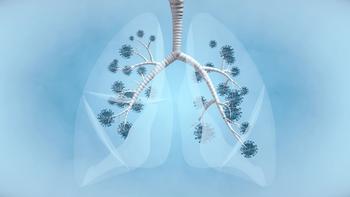
For ALK-positive lung cancer, five-year CROWN trial results show 60% of people taking Lorbrena first were alive without cancer growth, versus 8% on an older drug. Here is who can take it, how it is dosed and how side effects such as high cholesterol and mood changes are managed.

Cancer treatment can change appetite, taste and how food sits, but practical steps backed by the National Cancer Institute, the American Cancer Society and ASCO can help people get the protein and calories they need, safely.

Psycho-oncologist Joycelyn Lee, PhD, MBA, explains the emotional side of sexual health after cancer and how patients and partners can reconnect.

Deciding what to tell your children about your cancer is one of the hardest parts of a diagnosis. Guidance from the National Cancer Institute and a doctor who raised three young kids through cancer can help you begin.

Hot flashes are common during and after breast and prostate cancer treatment. Here is how hormone treatments compare with the nonhormonal medicines, therapies and comfort steps that national guidelines list, and why the right choice depends on your cancer.

For people who already have cancer, quitting smoking can help treatment work and the body heal, and the National Cancer Institute says it improves the outlook for cancer patients. Here is what quitting can do and where to find free help.
Advertisement
Advertisement
Trending on CURE
1
FDA Approves Wilserdly to Lower Recurrence Risk in Early Breast Cancer
2
Lorbrena for ALK-Positive Lung Cancer: Your Questions Answered
3
Oncology Yoga as a Healing Modality After Breast Cancer
4
Am I Different After Cancer? Living With Follicular Lymphoma
5