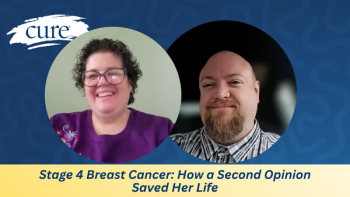
Diagnosed with stage 4 breast cancer weeks after giving birth, Eileen Carter explains why getting a second opinion changed the course of her care.
Dr. Michael Wong shares "sun smart" tips for melanoma survivors, debunking tanning myths and highlighting why clothing is better than sunscreen alone.
As summer approaches, the urge to soak up the sun becomes almost irresistible. However, for those who have faced a melanoma diagnosis, the relationship with sunshine requires a fundamental shift in perspective.
According to Dr. Michael Wong, physician-in-chief at Roswell Park Comprehensive Cancer Center in Buffalo, New York and CURE advisory board member, understanding the biological reality of skin damage is the first step toward a healthy summer.
One of the most persistent misconceptions Wong encounters is the idea of a "healthy base tan." From a biological standpoint, a tan is far from healthy. "Tanning is an injury reaction to UV light, bottom line," Wong explained.
When your skin senses UV radiation, melanocytes, the cells responsible for pigment, produce melanin as a shield to protect other skin cells from damage. If your skin is darkening, it means you have already reached a threshold where your body is reacting to an active injury, Wong explained.
For melanoma survivors, this is a critical warning. Their skin has already demonstrated a genetic or environmental vulnerability to malignancy. "Your skin’s already told you what it could do," says Wong. "You don’t need a second warning shot."
A common point of confusion for survivors in treatment is whether modern therapies, like immunotherapy, provide a protective shield against new skin cancers. Wong is quick to clarify: They do not.
Although immunotherapy is highly effective at treating melanoma inside the body, it has a minimal impact on preventing the initiation of new melanomas on the skin’s surface. Because the skin acts as a barrier, the immune system sits "below" the site where initial UV damage occurs, Wong explained. Consequently, survivors must remain under the diligent care of a dermatologist. The success of internal treatment does not diminish the need for external vigilance.
Although sunscreen is a staple of summer, Wong noted that relying on lotions alone is a mistake. He points to the wisdom of those living in desert climates as the gold standard for sun safety.
"If you ask [people in desert climates] about putting on sun-blocking lotions, it’s hilarious to them, because they know it provides minimal coverage," Wong noted. Barrier protection — actual fabric — is far more effective than a thin layer of SPF, which may only buy an extra 20 or 30 minutes of protection.
When heading outdoors, Wong recommended long-sleeved shirts and hats with full brims rather than baseball caps. Broad-brimmed hats are essential for protecting high-risk areas such as the ears and scalp. Furthermore, he said the argument that one needs sun exposure for vitamin D is largely "antiquated" in the era of modern supplementation and fortified foods.
Wong’s advice is not about deprivation. "I’m not advocating you live in a cave," he said. "That’s a terrible quality of life." Instead, it is about being "sun smart." By treating UV radiation as a known culprit and prioritizing physical barriers over chemical ones, melanoma survivors can enjoy the outdoors while respecting the limits of their skin’s tolerance.
For more news on cancer updates, research and education,