A phase 3 trial presented at ASTRO 2026 found that giving focused radiation in three to five sessions, instead of one, lowered the chance of cancer returning at the surgery site, and patients lived longer.
In CATNON, 12 cycles after radiation extended median survival past 12 years in IDH-mutant disease while concurrent dosing showed no benefit.
Long-term results from the CATNON trial showed that
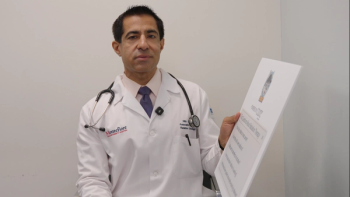
In an interview with CURE, Dr. Martin J. van den Bent, a neuro-oncologist at Erasmus MC Cancer Center in Rotterdam, and the lead investigator of the trial, said the benefit was seen with 12 cycles of adjuvant temozolomide given after radiation, not with temozolomide given concurrently during radiation, which did not improve outcomes and may add toxicity.
He emphasized that molecular testing, including IDH status, is critical to guide treatment decisions, noted that patients with IDH-wild type tumors did not benefit and highlighted ongoing efforts to reduce long-term cognitive side effects while exploring new strategies such as IDH inhibitors and approaches that may safely delay radiation or chemotherapy.
van den Bent: What we found is that if we add 12 cycles of adjuvant temozolomide to radiation therapy, 59.4 gray given in 33 fractions, we significantly improve outcomes for these patients.
There are two ways of administering temozolomide in newly diagnosed glioma patients. You can give it during radiation therapy on a daily basis. Radiation therapy usually lasts about six weeks, and patients receive temozolomide every day at a lower dose.
Then there are the adjuvant cycles, in which temozolomide is given on the first five days of every 28-day cycle, so five days on and 23 days off.
What we showed in the CATNON trial is that the concurrent part of the temozolomide regimen didn’t impact outcomes. Since we have concerns about adding toxicity to radiation therapy, we feel that concurrent temozolomide should not be given in these patients, unlike in grade 4 glioblastoma patients.
It shows that, compared with radiation therapy alone, where median survival was between five and six years, there is a significant proportion of patients who live for a very long time.
We have some ideas about who those patients are. Typically, they are patients without other mutations apart from the IDH mutation, so there is a genetic background to that. We also think, based on other studies, that patients who have more extensive primary resections do better. Surgery is an important part of treatment. We didn’t specifically investigate that in the CATNON trial, but other studies support that finding.
Molecular testing at diagnosis is now standard of care in all Western countries because the diagnosis is built on the presence or absence of these mutations.
If an adult has a diffuse glioma, the tumor is automatically tested for an IDH mutation because that guides the diagnostic process. That information should be available in all patients undergoing surgery. Then this trial tells us what the optimal treatment after surgery should be.
With this trial, we have essentially completed most of the clinical research that can be done in optimizing radiation therapy and chemotherapy for these patients. We have conducted many trials over the past 20 to 30 years, and this study sort of concludes that effort.
If we want to further improve outcomes, we have to look in other directions. IDH inhibitors and other classes of agents are examples. We need new strategies.
We also recognize that although radiation therapy and chemotherapy improve overall survival, there are side effects. Many patients, years later, experience cognitive deficits, problems with concentration, memory impairment and fatigue. These are long-term adverse effects we see after radiation therapy.
Our current efforts focus on strategies to reduce these side effects, such as postponing radiation therapy and chemotherapy and exploring other treatments first. Those alternatives still need to be identified for grade 3 tumors.
If you don’t treat this tumor appropriately, it is aggressive. With radiation therapy alone, median survival was only five to six years. Adding chemotherapy to radiation therapy clearly improves outcomes, and that’s an important message.
Now we’re trying to improve outcomes further. Several trials are ongoing, adding IDH inhibitors to maintenance treatment or exploring whether other treatments can be given before radiation and chemotherapy.
We’re also asking whether we can improve quality of survival by postponing radiation therapy and chemotherapy with other approaches. But this is still largely unexplored territory, and we need new strategies.
For more news on cancer updates, research and education, don’t forget to