Learn how nipple-sparing mastectomy, including endoscopic approaches, may help preserve appearance, reduce scarring and support breast cancer recovery.
The FDA approved Enhertu for presurgical HER2+ breast cancer treatment. Dr. Shanu Modi discusses the "win-win" for patient efficacy and safety.
In a move that one breast cancer specialist called a “win-win” for patients, the Food and Drug Administration (FDA) has expanded the use of the targeted therapy Enhertu (fam-trastuzumab deruxtecan-nxki; T-DXd) for those with early-stage, high-risk disease.
On May 15, the FDA approved Enhertu for two separate indications in patients with HER2-positive breast cancer. The primary news for many patients is the approval of T-DXd followed by a combination of a taxane, trastuzumab and pertuzumab (THP) for neoadjuvant treatment, therapy given before surgery to shrink tumors, for adults with stage 2 or 3 disease.
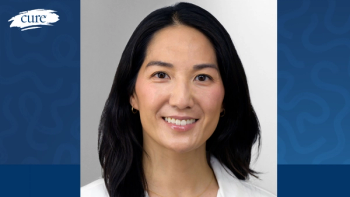
For Dr. Shanu Modi, a breast medical oncologist at Memorial Sloan Kettering Cancer Center (MSK) and an investigator for the DESTINY-Breast11 trial, the approval represents a significant shift toward more effective, less toxic care.
“I don’t see a downside in using a more effective therapy that’s less toxic for our patients,” Modi said in a recent interview with CURE.
For years, the global standard for high-risk HER2-positive patients involved a regimen known as ACT (anthracycline, cyclophosphamide and a taxane). While effective, anthracyclines are known for potentially serious cardiac toxicities.
The DESTINY-Breast11 trial, which supported the new approval, compared an Enhertu-based sequence against the traditional doxorubicin and cyclophosphamide (ddAC) followed by THP. The results showed that the Enhertu regimen not only improved outcomes but did so with half the rate of serious toxicities compared to the older standard.
The trial’s primary goal was to measure the pathological complete response (pCR) rate, which is defined as the total absence of invasive cancer in the breast and lymph nodes at the time of surgery. Patients receiving the Enhertu sequence achieved a pCR rate of 67.3%, significantly higher than the 56.3% seen in the traditional chemo-based arm.
While Enhertu is highly effective, it does carry a boxed warning for interstitial lung disease (ILD) and pneumonitis, a type of lung inflammation. This was a point of concern for researchers moving the drug into an early-stage, potentially curable population.
However, Modi noted that the rates of ILD in the DESTINY-Breast11 trial were “very reassuring”. The ILD rate was less than 5%, which is roughly one-third of the 12% to 15% rate typically observed in the metastatic (stage 4) setting. Most of these events were low-grade and manageable.
Furthermore, the T-DXd regimen showed a clear advantage in heart health. Because the new regimen avoids anthracyclines, the rate of left ventricular dysfunction, a measure of how well the heart pumps, was significantly lower, occurring in about 1% of patients compared to 6% in the traditional arm.
For patients currently navigating a diagnosis of HER2-positive stage 2 or 3 breast cancer, this approval provides a potent new tool to use before they ever head to the operating room. The FDA also approved companion diagnostic tests to help doctors accurately identify patients who are HER2-positive and eligible for this treatment.
The recommended dosage for the neoadjuvant phase is 5.4 mg/kg of Enhertu every three weeks for four cycles, followed by the THP regimen for an additional four cycles.
In addition to the neoadjuvant approval, the FDA also cleared Enhertu for adjuvant treatment (after surgery) for patients who still have residual invasive disease after receiving initial treatment. This ensures that patients who do not achieve a full response before surgery have a highly effective option to reduce the risk of the cancer returning.
Modi, who practices at Memorial Sloan Kettering’s Evelyn H. Lauder Breast Center in New York, emphasizes that these advancements are about more than just numbers; they are about quality of life during and after treatment.
“Not only did we see improved pCR rates for patients, it was better in terms of safety overall,” Modi said. “It was a win-win.”
For more news on cancer updates, research and education,