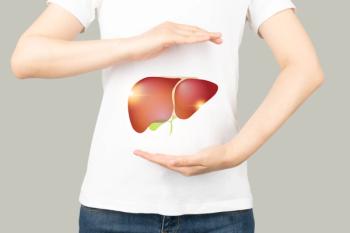
Liver and bile duct cancer treatment has changed quickly since 2021, with new immunotherapy combinations, targeted pills and a new radiation option. Here's what's been approved and what it means for patients.
Histotripsy uses focused ultrasound to treat liver tumors without surgery, needles or radiation, offering a new non-invasive option for patients.
Hackensack Meridian Jersey Shore University Medical Center (JSUMC) is now offering histotripsy, a non-invasive treatment option for patients with liver tumors. This technology uses focused ultrasound to target and destroy tumors without surgery or traditional ablation. We spoke with Dr. Gregory Tiesi of JSUMC to learn more about how histotripsy works, which patients may benefit, and what the procedure is like from a patient perspective.
Dr. Tiesi: This is one of the most interesting technologies I’ve seen in my career. Despite its sophistication, the concept is surprisingly simple. Focused ultrasound targets a single point to mechanically destroy and liquefy tumors inside the liver without harming surrounding tissue. It’s completely non-invasive—no needles, no radiation, and not even heat—so it doesn’t burn tissue. The tumor is turned into a liquid that the body absorbs, leaving no cancer cells behind. It’s truly phenomenal technology.
Most liver-directed therapies are invasive to some degree. Surgery is obviously the most invasive option. But even other approaches, like inserting a needle from the outside to burn a tumor, or using a catheter through the groin to deliver beads containing radiation or chemotherapy to the liver, involve significant intervention. These procedures carry risks, especially near major blood vessels or other critical structures, which can limit where and how safely they can be used. Histotripsy avoids many of these limitations while achieving precise tumor destruction.
Unlike traditional ablation techniques that burn or freeze tumors, histotripsy uses focused ultrasound to liquefy tissue. That distinction is clinically meaningful because the liver contains many important structures, and conventional ablation near these areas can lead to serious complications. Ultrasound waves travel safely through the body, as we do every day when imaging babies or organs, without harming tissue. This makes histotripsy a very safe technology that can target tumors that would be risky to treat with other methods.
Histotripsy is suitable for a wide range of patients. We can treat primary liver cancers, metastatic tumors, and even benign lesions like hepatic adenomas, which can rupture or, rarely, become malignant. It can also treat multiple sites in different parts of the liver, even in patients with advanced stage four disease who otherwise wouldn’t be candidates for liver-directed therapy. For young women with hepatic adenomas, histotripsy avoids major, disfiguring surgery while achieving safe and effective treatment. That’s a tremendous advantage.
The procedure is performed in an outpatient setting under general anesthesia to ensure patients remain completely still, which is critical for targeting the tumor accurately. The treatment itself takes less than an hour. Most of the time spent in the hospital is related to preparation and anesthesia. We often joke that the most invasive part is when the anesthesiologist puts in an IV. Patients typically walk in and walk out the same day.
This innovation is fascinating because many liver tumor treatments require patients to pause other therapies like chemotherapy, which can risk disease progression. With histotripsy, patients don’t need to stop treatments. Its non-invasive nature and low risk profile allow us to tailor care to each patient—maybe treating some lesions with histotripsy while others are ablated or surgically removed. A multidisciplinary team ensures each plan is individualized and can incorporate histotripsy effectively.
One of the greatest benefits of histotripsy is for patients who aren’t surgical candidates. Elderly patients, those with liver dysfunction, or patients who simply don’t want surgery can receive a safe, effective treatment with a very high technical success rate. It offers a real option where previously there may have been none, which is incredibly meaningful.
Looking ahead, histotripsy is being studied in other organs, including the pancreas and kidneys. I believe this technology has the potential to significantly change how we treat solid organ cancers. It’s not just an incremental addition to the toolkit — it could reshape the approach to many solid tumors in the future. I’m genuinely amazed by how it works and the possibilities it opens for patients.
Transcript was edited for clarity and conciseness.
For more news on cancer updates, research and education,