Psychiatrist Dr. Yesne Alici of Memorial Sloan Kettering Cancer Center answers questions about family relationships during cancer, from asking for help to talking with children and friends.
The FDA approved Keytruda plus Padcev before and after bladder surgery for adults with muscle-invasive bladder cancer, expanding treatment options.
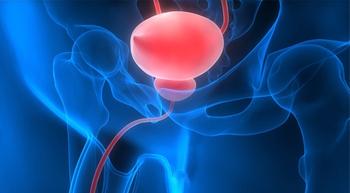
The Food and Drug Administration (FDA) has approved Keytruda (pembrolizumab) or Keytruda Qlex (pembrolizumab and berahyaluronidase alfa-pmph), each in combination with Padcev (enfortumab vedotin-ejfv), for adults with muscle-invasive bladder cancer who are planning to have surgery to remove their bladder.
The approval, announced on July 10, 2026, expands the use of this treatment combination to all patients who are eligible for bladder removal surgery (called a cystectomy). Previously, this treatment option was approved only for patients who could not safely receive cisplatin, a commonly used chemotherapy drug.
The treatment is given both before surgery to help shrink or eliminate the cancer and after surgery to lower the chance that the cancer will come back.
Keytruda is an immunotherapy that helps the body's immune system recognize and attack cancer cells. Keytruda Qlex contains the same active medicine but is formulated differently. Padcev is a targeted therapy that delivers cancer-fighting medicine directly to bladder cancer cells by attaching to a protein found on their surface.
Using these medicines together before and after surgery is designed to improve the chances of eliminating the cancer while reducing the risk of it returning.
The FDA based its approval on the phase 3 KEYNOTE-B15/EV-304 clinical trial, which included 808 adults with previously untreated muscle-invasive bladder cancer who were eligible for both bladder removal surgery and cisplatin-based chemotherapy.
Researchers compared two treatment approaches. One group received Keytruda plus Padcev before surgery, followed by additional treatment with the same combination after surgery. The other group received the current standard treatment of gemcitabine and cisplatin before surgery.
The study found that patients treated with Keytruda and Padcev lived longer without their cancer growing, returning or preventing surgery from being completed compared with those who received standard chemotherapy. Patients receiving the combination therapy also had improved overall survival, meaning they were more likely to be alive during follow-up than those treated with chemotherapy alone.
These findings suggest that using Keytruda and Padcev before and after surgery may help patients achieve better long-term outcomes than the previous standard treatment.
Treatment begins before surgery with four cycles of Keytruda and Padcev over approximately 12 weeks. After the bladder is removed, patients continue receiving both medicines for several more months to help reduce the risk of the cancer returning.
Patients receiving Keytruda Qlex instead of Keytruda should follow the dosing schedule recommended by their healthcare team.
Like all cancer treatments, Keytruda and Padcev can cause side effects.
Keytruda may cause the immune system to attack healthy organs and tissues, leading to inflammation in different parts of the body. It can also cause infusion-related reactions and may harm an unborn baby.
Padcev may increase the risk of serious skin reactions, high blood sugar, nerve damage, lung inflammation, eye problems and reactions where the medication is infused. It may also cause harm during pregnancy.
Patients should talk with their healthcare team about the potential benefits and risks of treatment and whether this combination is appropriate for their individual situation.