

Opinion|Videos|September 20, 2024
Living Well With CLL: Nutrition, Exercise, and Lifestyle Tips From Patients and Doctors
The discussion will explore the impact of fixed-duration treatments on quality of life, benefits and challenges compared with continuous therapy, financial considerations, and lifestyle goals during and after treatment.
Advertisement
Episodes in this series
Video content above is prompted by the following:
- If you’ve experienced fixed-duration treatment, how did it impact your quality of life? What were the benefits and challenges?
- From a financial and quality-of-life perspective, how do fixed-duration treatments potentially benefit patients compared to with continuous therapy?
- How do you discuss lifestyle goals with patients when considering fixed-duration treatments? What aspects of daily life are most impacted during and after these treatment periods?
- What advice would you give to other patients with CLL patients about managing their lifestyle and setting goals during treatment?
Advertisement
Related to this article
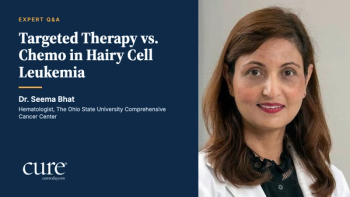
An Ohio State hematologist discusses a new trial comparing tovorafenib plus rituximab with standard cladribine-based treatment, and what quality of life means for patients.

Adding Anktiva to BCG led to better responses than BCG alone in people with high-risk bladder cancer who had not yet received BCG, the company said.

An Ohio State hematologist explains how she weighs chemotherapy against targeted drugs, what side effects patients should expect and why learning about this specific leukemia matters.
Leanne Citrone shares how a BRCA mutation, an elective mastectomy and a stage 2C ovarian cancer diagnosis shaped her outlook, anxiety and advice to others.

A colon cancer survivor who cared for her mother with lung cancer shares how she learned to speak up, plus tips for advocating for yourself or a loved one.

Medicare's Part D out-of-pocket cap rises to $2,400 in 2027. Here is what that means for people taking costly oral cancer drugs, how the monthly payment plan works with it and what to check before open enrollment ends Dec. 7.
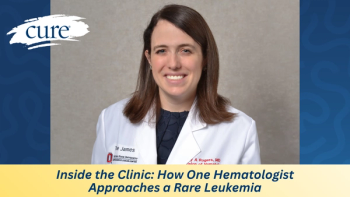
Ohio State hematologist Dr. Kerry Rogers says chemotherapy and newer targeted drugs both work well, and the right choice depends on the patient.

Given an 18-month prognosis for peritoneal mesothelioma in 2007, a mother shares the joy of tapping her son out at his Air Force basic training graduation.
Advertisement
Advertisement
Trending on CURE
1
Patient Advocacy Advice From a Colon Cancer Survivor
2
Medicare Part D 2027: What a $2,400 Cap Means for Cancer Drugs
3
Living With BRCA and Ovarian Cancer: Leanne Citrone's Story
4
Anktiva Plus BCG Meets Main Goal in BCG-Naive Bladder Cancer Trial
5