

Opinion|Videos|September 20, 2024
The Future of CLL Care: Medical Breakthroughs and Patient-Physician Collaboration
The discussion will wrap up with perspectives on the future of CLL treatment, including anticipated improvements in patient care and quality of life, emerging therapies, and evolving patient roles in care decisions.
Advertisement
Episodes in this series
Video content above is prompted by the following:
Let’s conclude by discussing our perspectives on the future of CLL treatment.
- How do you envision the CLL patient experience evolving in the coming years? What improvements in care and quality of life do you hope to see? How do you hope emerging therapies and research will address these gaps?
- Based on your experience, what excites you most about the future of CLL management? How do you think the role of patients in their care decisions will continue to evolve?
Advertisement
Related to this article

Medicare's Part D out-of-pocket cap rises to $2,400 in 2027. Here is what that means for people taking costly oral cancer drugs, how the monthly payment plan works with it and what to check before open enrollment ends Dec. 7.
Ohio State hematologist Dr. Kerry Rogers says chemotherapy and newer targeted drugs both work well, and the right choice depends on the patient.

Given an 18-month prognosis for peritoneal mesothelioma in 2007, a mother shares the joy of tapping her son out at his Air Force basic training graduation.

A once-daily oral pill gives patients with symptomatic TGCT another option when surgery could cause more harm than good.
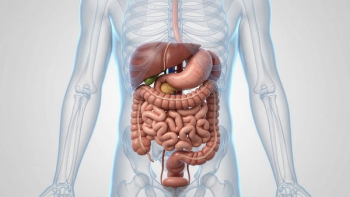
For World NET Cancer Day, CURE answers seven common questions about neuroendocrine tumors, from carcinoid syndrome and Ki-67 to dotatate PET scans and treatment options.

Up to 40% of patients with classic hairy cell leukemia relapse within 10 to 15 years. An NIH researcher explains how adding Rituxan up front may help.
Gita Kwatra, PharmD, MBA, co-founder and CEO of the Glioblastoma Foundation, explains what happens to tumor tissue after brain surgery and how patients can ask their care team for genomic testing.
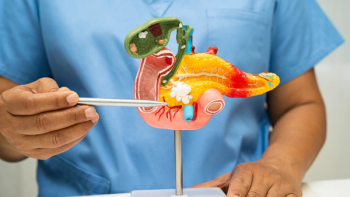
Most people with pancreatic cancer lose weight they didn't mean to. Here is how weight loss from poor digestion differs from cachexia, and what enzymes, eating strategies and appetite medicines can do.
Advertisement
Advertisement
Trending on CURE
1
FDA Approves Pimicotinib for Tenosynovial Giant Cell Tumor
2
Neuroendocrine Tumors: 7 Questions Patients Ask, Answered
3
Datroway Slows Brain Metastases in Triple-Negative Breast Cancer
4
Inside the Clinic: How One Hematologist Approaches a Rare Leukemia
5