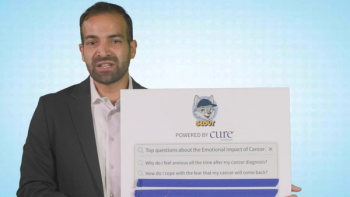
A psycho-oncologist answers 5 common questions about cancer-related anxiety, depression, fear of recurrence and emotional well-being.
Learn about nodular melanoma symptoms, diagnosis and treatments like immunotherapy to prepare for important conversations with your oncologist.
Receiving a diagnosis of nodular melanoma can feel overwhelming, but understanding the disease is the first step toward managing your care. This guide provides an overview of the disease, diagnosis, treatment options and side effects to help you have an informed conversation with your oncologist.
Melanoma is a type of skin cancer that begins in melanocytes, the cells responsible for producing skin pigment. Nodular melanoma is the second-most common form of cutaneous melanoma, accounting for roughly 15% of all cases.
Unlike more common forms of melanoma that spread horizontally across the top layer of skin first, nodular melanoma grows downward into the deeper layers of skin relatively quickly. This pattern of vertical growth makes prompt diagnosis and treatment critical. It often appears on the trunk, head or neck as a raised, firm bump or nodule.
While typical melanomas follow the "ABCDE" warning signs (Asymmetry, Border irregularity, Color variation, Diameter larger than 6 millimeters and Evolving), nodular melanomas frequently present differently. Doctors often look for the EFG signs:
The diagnostic process determines how deeply the tumor has penetrated the skin and whether it has spread to other parts of the body.
Treatment plans depend heavily on the stage of the disease, the depth of the primary tumor, lymph node involvement and genetic test results.
Cancer treatments can cause side effects. Discussing these potential complications with your oncologist beforehand can help you proactively manage them.
Surgical procedures can lead to localized pain, swelling, scarring, infection or lymphedema (fluid retention) if lymph nodes are removed.
Immunotherapy medications may cause fatigue, skin rash, diarrhea and inflammation of healthy organs, including the lungs, liver or thyroid gland.
Targeted therapies frequently present side effects such as fever, chills, fatigue, skin sensitivity to sunlight, rash and joint pain.
Radiation therapy can result in redness and irritation at the specific treatment site, localized hair loss and general fatigue.
A nodular melanoma diagnosis requires prompt, decisive action, but you have a dedicated multidisciplinary medical team to guide you. Understanding your pathology report, your tumor's genetic makeup and the stage of your disease will empower you to actively participate in your treatment choices.
Bring a list of questions to your next appointment, and consider asking a loved one to take notes during your discussions.
Editor's note: This article is for informational purposes only and is not a substitute for professional medical advice, as your own experience will be unique. Use this article to guide discussions with your oncologist. Content was generated with AI, reviewed by a human editor, but not independently verified by a medical professional.
For more news on cancer updates, research and education,