WCLC 2026 brought new lung cancer data on HER2-mutant, PD-L1-positive and EGFR exon 20 insertion-positive non-small cell lung cancer. Here's what patients should know about three key studies.
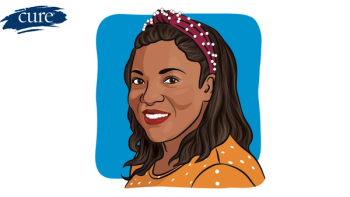
Dr. Kemi Doll reports that peer support helped Black women with high-risk endometrial cancer complete treatment in the SISTER trial.
Black women with high-risk endometrial cancer were more likely to complete treatment when they received one-on-one peer support, according to results from the SISTER trial presented by Dr. Kemi M. Doll, professor of obstetrics and gynecology at the University of Washington School of Medicine. The findings were shared at the 2026 Society of Gynecologic Oncology Annual Meeting and mark the first randomized national trial to improve outcomes specifically for Black women with endometrial cancer.
Among patients in the study, 74% of those who attended at least one support session completed treatment, compared with 57% of those who did not attend any sessions. One-on-one peer support appeared especially helpful. Patients who received this type of support and participated in sessions had an 84% treatment completion rate, compared with 50% among those who did not engage.
Overall, treatment completion rates were 77% among those who received enhanced usual care, which included educational materials, 73% among those who received one-on-one peer support and 67% among those who participated in group support. Patients who attended support sessions were also less likely to stop treatment early, with 26% discontinuing treatment compared with 43% among those who did not attend any sessions. Researchers noted that 65% of treatment discontinuations were not due to disease progression, highlighting the importance of additional support during care.
Support sessions focused on topics that may matter most to patients during treatment. In one-on-one sessions, patients most often discussed managing side effects, completing treatment, self-care, nutrition and exercise. Group sessions included conversations about coping with a diagnosis, staying engaged in treatment, improving overall health, nutrition and emotional support. These discussions may help patients better manage side effects, stay motivated and feel less alone throughout their cancer journey.
The SISTER trial, which stands for Social Interventions for Support in Treatment of Endometrial Cancer and Recurrence, enrolled 231 Black or African American patients with high-risk endometrial cancer. Patients were randomly assigned to receive enhanced usual care with mailed educational materials, participate in weekly group support sessions or take part in one-on-one peer support sessions. Participants were undergoing treatments such as chemotherapy, radiation and immunotherapy.
The study included patients treated across 11 sites in the United States. Many participants reported financial challenges, and most had a caregiver or other form of social support. Patients with more advanced disease or lower physical functioning were more likely to stop treatment early, suggesting that these groups may benefit most from additional support.
Some patients stopped treatment due to disease progression, side effects, insurance or drug access issues, scheduling challenges or other health conditions. These findings suggest that non-medical challenges, such as access to care and support, play a major role in whether patients are able to complete treatment. Researchers emphasized that peer support may help address some of these barriers by offering guidance, encouragement and shared experiences from others who have gone through similar treatment.
For more news on cancer updates, research and education,