A combination of Zenbexus, Darzalex and dexamethasone nearly doubled the rate of deep, MRD-negative responses in relapsed multiple myeloma.

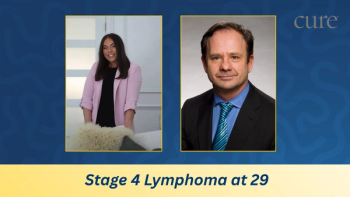
Dr. Ariel Ostad explains how addressing uncertainty and scananxiety through communication and support can improve the cancer care experience for patients.
Dr. Ariel Ostad spoke with CURE about the emotional, psychological, and day-to-day burdens that often accompany a skin cancer diagnosis, extending well beyond surgery or medical treatment alone.
In the conversation, he reflects on the fears patients commonly express, from uncertainty and recurrence anxiety to concerns about body image and long-term quality of life, and outlines practical ways clinicians can better support patients throughout every phase of care. He emphasizes that validating emotions, setting clear expectations, and connecting patients with supportive resources are just as critical as treating the disease itself.
Ostad is a dermatologist and Mohs surgeon, as well as an advocate for The Skin Cancer Foundation. He also serves as a clinical associate professor in the Ronald O. Perelman Department of Dermatology at NYU Grossman School of Medicine, where he focuses on comprehensive, patient-centered skin cancer care.
Ostad: The psychosocial side of cancer is often truly as impactful as the clinical treatment side of it. When we name these concerns, plan for them and really communicate that with patients in a very authentic way, patients consistently feel more supported, more comfortable, more in control and grounded.
Some of the most common psychosocial concerns that come up are, obviously, fear — fear of the uncertainty, the fear of whether they are going to be around, the fear of losing control and fear for family members. Are they going to be around for their children or their parents? Often, patients describe feeling swept into this fast-moving medical system where they really are in the hands of their clinicians, and all of a sudden, the future feels very fragile and unpredictable.
I think how clinicians can help is by letting patients know that those feelings are normal. Normalizing that emotional reaction is important; say, "Many people feel that way. You’re not alone." It is about breaking the information into manageable pieces because it can be overwhelming. I deal with it every day here in the office, where patients are worried about whether they are going to be alive and the cosmetic aspect of it — are they going to be deformed? Are they going to be living long into the future?
We know it is important to offer clear expectations about timelines, decision points, what we do know and what we don't know, while encouraging patients to really vocalize their fears rather than trying to be tough and brave. There is certainly anxiety around things like skin cancer coming back and surveillance; even after treatment, scans and follow-up visits can really ignite worry.
How we can help as clinicians is to utilize communication skills, set up predictable follow-up timelines, and explain why each visit and each scan matters. We can teach patients about grounding techniques and refer them to social workers or supportive oncology services. Again, validating their feelings — telling them that anxiety is common and that it gradually gets better — and providing reassurance is so important.
Then there are other psychosocial issues, like body image and visible treatment effects such as scars and hair loss. How we as clinicians can help is to have those conversations. Patients may feel a little uncomfortable bringing that up; they may feel like they are being weak. It is about providing that guidance to them and letting them know that even the best patients can be consumed by overwhelm.
There is so much going on between coordinating insurance issues, disruptions to life, work and caregiving. How we can help, again, is to connect people to social workers and counselors. That is the whole other aspect of making people feel better.
I think patients are so brave to walk into an office knowing that they may potentially be told they have something on their skin, for example. I always validate the fact that they are strong for choosing to come in, knowing that something may have to be biopsied or removed. I really try to help and motivate them to acknowledge their strength and resilience. Scanxiety is one of those experiences that almost every patient feels at some point, and bringing it into the open is powerful.
There are genuine, effective ways to help patients navigate it. Some approaches that I think are important for clinicians to use involve setting clear expectations early. Uncertainty is one of the biggest drivers of anxiety, so explaining what the scan is for, how long it will take, and what the patient will feel, hear, and see is impactful. This includes how the results will be communicated and setting a realistic timeframe for when those results will come back. This creates trust and predictability through a "scan plan" patients can rely on. Setting up a simple, repeatable protocol, such as when to schedule, what to bring, what to wear, who to bring along, and who to call for questions, is critical. These routines give patients a sense of control.
Ideally, clinicians should provide same-day or next-day results when possible. For patients, waiting for results can feel like an eternity, which creates an enormous amount of anxiety. Communicating that I will message them as soon as I have reviewed the scan, whether it is a biopsy report, a CAT scan, or an MRI, helps because the waiting is truly a stressful aspect. Normalizing scan anxiety is also vital; patients benefit immensely from hearing that what they are feeling is extremely common. It does not mean anything is wrong, and it reduces shame while helping people feel acknowledged.
Offering supportive mental health or oncology referrals is effective, especially for patients who struggle with recurrent disease, metastatic disease, trauma histories, or pre-existing anxiety disorders. We live in a society where anxiety is incredibly prevalent, and that is amplified when you add the worry of whether you will be alive or if the cancer has come back. Being supportive and acknowledging their feelings is key.
Useful resources for patients include psycho-oncology programs, social workers, cognitive behavioral therapy, mindfulness-based stress reduction, and connecting with support groups. There are melanoma-specific peer programs, local and national support groups, and online communities moderated by reputable organizations. Really decompressing people's feelings is what is most important for reducing anxiety.
Transcript has been edited for clarity and conciseness.
For more news on cancer updates, research and education,