The FDA grants traditional approval to Keytruda and Keytruda Qlex for TMB-H solid tumors, updating the threshold to at least 13 mutations per megabase.
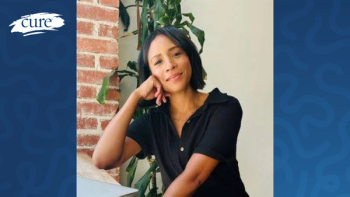
A uterine cancer survivor shares her journey through severe bleeding, emergency surgery, daily radiation treatments, and managing post-chemo GI issues.
‘After an ultrasound to find out why I was having uterine pain, I needed a follow-up MRI. The result prompted my primary to schedule me to see a gynecological oncologist. His schedule was a few weeks out and my doctor didn’t even attempt to discuss her diagnosis with me. The week of my appointment, I was directed to see a gynecologist to determine if it was necessary to meet with the oncologist. She wasn’t even able to complete an exam as I began bleeding, and she couldn’t make it stop. At that point I either needed an ambulance or a ride to The Ohio State University’s James CCC Hospital. My husband, Tom, was able to pick me up and take me to the ED.
We waited after intake in a small separate waiting room. It seemed to me to be one used for cancer patients in treatment. We waited not knowing know how long it would be before I would be seen. Our dog needed to be taken out, so Tom left to go home and let her out. Shortly after he left, I was taken into an exam room next to this waiting room. I laid down the gurney to be examined. The room was small but filled with an ED doctor and several interns. I gave permission for their presence, and then the ED doctor examined me and took a tissue sample. He could not get the bleeding to stop either. I was given the option to be admitted in hopes that the bleeding might stop and if not, surgery later that day. The other option was to go right to surgery. The surgeon on call was the oncologist I was scheduled to see. At the time, he was the head of the department. I believed he was my best choice. Tom arrived back right before I was wheeled into surgery.
The day after surgery, in my hospital room I became familiar with recovery and results of my biopsy. I didn’t have to wait long because that afternoon one of the residents that had been in the operating room was so excited to draw me a picture of my tumor as it was one of the most unusual, she’d seen!
At my appointment with my surgeon, I learned what stage my cancer was. It was recommended that I have radiation and chemo as it had grown three-quarters of the way through my uterus. We had a vacation already planned, we were told to go and start treatment after we got back.
First I had five weeks of daily radiation. It starts with a custom form to lay in during treatment. Then each time I needed to drink 32 ounces of water half an hour before my treatments to move my bladder out of the way. Only once did they have a delay problem in my treatment room that I couldn’t hold off peeing for. My radiation oncologist ordered internal radiation after the weeks of external. Then I rang the bell with my friends around me as I awaited chemo to begin.
My immune system allowed for three chemotherapy treatments at which point my oncologist stopped as it wouldn’t have been of any additional benefit to do any more as he had initially planned on.
With all of my treatments finished, I thought I could put it behind me — until I started having GI problems. I saw a gastroenterologist and began taking acid-reflux medicine. That didn’t fully help, so I was directed to take MiraLAX daily. When I started thinking that I had adhesions or some other intestinal blockage, I didn’t get much support from my surgeon so I turned to my new primary. After many test to discover what was wrong an intestinal contrast scan found an issue. I found a surgeon who felt that a robotic surgery could fix the problem. Instead it discovered a section of my small intestine was dying. The decision was made to do another full surgery to remove the damaged illium.
I recovered from that surgery minus the ability to absorb B12 due to the removed intestinal section.
Fortunately though, I am now eight years out. And, presumably, cancer free!
This piece reflects the author’s personal experience and perspective. For medical advice, please consult your health care provider.
For more news on cancer updates, research and education,