Diagnosed with stage 4 breast cancer weeks after giving birth, Eileen Carter explains why getting a second opinion changed the course of her care.
GYN oncologist Dr. Ami Vaidya, explains what gynecologic cancers are, why awareness matters and how patients can learn to recognize symptoms.
September is Gynecologic Cancer Awareness Month, and for Dr. Ami Vaidya, a gynecologic oncologist, co-section chief of the Division of Gynecologic Oncology at John Theurer Cancer Center and vice chair of the Department of Obstetrics and Gynecology at Hackensack University Medical Center, the month is a chance to close a knowledge gap that affects women and their partners across the country.
In an interview with CURE, Vaidya explained what gynecologic cancers actually are, why so many people are unfamiliar with the term and how the awareness month can be used to teach women what symptoms to watch for and who to turn to for help.
What does Gynecologic Cancer Awareness Month mean to you, and what do you most want patients to take away from it?
"For me, the awareness ends up being the key word for the month. I don't think that it really should just be limited to a month, but that's how the name's been given, and the awareness piece gives us a really good opportunity to try to educate women and their partners out there in the community about what gynecologic cancers are. For so many people, they're not even sure what that really means.
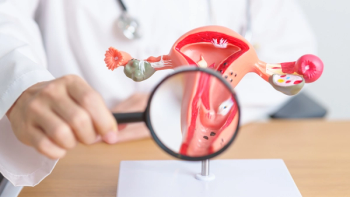
"These are cancers that involve the reproductive organs, organs that belong, if you will, only to biological women, and so we're talking about the uterus, the cervix, the tubes, the ovaries, the vulva and the vagina. And I think just having people be aware of what that term gynecologic refers to is helpful, and then start really using the time to talk about what screening tools do exist for these cancers and where we don't have screening tools, because unfortunately there are many situations where we don't have screening tools.
"What symptoms are important to be able to report, and to which doctors should they report? So for me, the month is a real opportunity to focus in on this teaching and training and education to use it in every way we can about helping women understand their bodies better and knowing what's normal and what's not, and then helping them to figure out when something doesn't feel right who to go to for help. So I hope patients or prospective patients, if you will, women out there are able to take this opportunity to learn."
For more news on cancer updates, research and education,