

In conjunction with Cancer Champions, CURE® recently hosted the “Educated Patient® Webinar: An Overview of Diet and Exercise in Cancer Care."
In conjunction with Cancer Champions, CURE® recently hosted the “Educated Patient® Webinar: An Overview of Diet and Exercise in Cancer Care."

Supervised exercise can help to improve the immune system for patients with myeloma, recent research showed.

Recent research found that patients who supplemented their vitamin D intake tended to have improved colorectal cancer outcomes.

Eating a plant-rich low-carbohydrate diet for survivors of breast cancer leads to better longevity, according to recent research.

It is essential for patients to live a healthy lifestyle while undergoing treatment for multiple myeloma, an expert said.

Drink this between meals to help gain or maintain a healthy weight during and after cancer treatment.
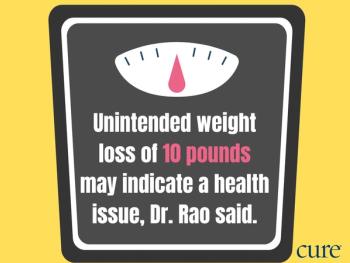
For patients with a history of cancer or who are genetically predisposed to it — as well as the general population — unintended weight loss may be the first sign of the disease, research showed.
Patients with MPNs should consult with their treating physician to individualize a healthy, nutritious diet to help ease symptoms.

Dr. Dawn Mussallem of the Mayo Clinic tells CURE®’s “Cancer Horizons” podcast about how surviving stage 4 non-Hodgkin’s lymphoma and being a heart transplant recipient helps her connect with her patients.

Acute myeloid leukemia and myelodysplastic syndrome may affect nutritional status, and more work is needed to ensure that patients are getting the food intake that they need, researchers found.
Researchers have found that nothing beats direct attention from a care provider to inspire exercise among young women who have been recently diagnosed with breast cancer.

Patients with stage 3 colon cancer who reported physical activity after surgical resection may derive a survival benefit and may prolong disease recurrence.
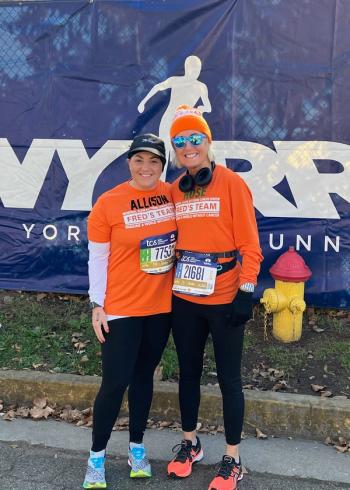
A marathon runner who was diagnosed with metastatic melanoma learned that what she enjoyed doing before cancer could help her regain her energy and identity during and after treatment.

Patients with advanced melanoma who followed the Mediterranean diet tended to have improved responses to immunotherapy treatment, recent research showed.

My cancer diagnosis taught me to speak up and ask, “What do I need to know?” and “What can I be doing for myself?”

Exercise, from walking to running, allows patients to take control of their bodies at a time when things may feel out of reach during their cancer journey.

Serious athletes may benefit from the training they did before diagnosis, but that doesn't mean it's too later for anyone to start movement during their cancer journey.

An expert offers feasible tips on how patients with cancer can eat better — from incorporating quick and easy protein sources to effective supermarket shopping strategies.

A nutritionist discussed the difference between mainstream diets and oncology nutrition, and how patients with cancer can ensure they’re on the right track to being well-nourished throughout cancer treatment.
Cancer survivors who are experiencing side effects from treatment, such as chronic fatigue, may benefit from a healthier diet.
Exercising moderately every week has been linked to improved disease outcomes at any BMI in patients with colorectal cancer.

Improvements may not be seen right away, but patients with non-metastatic breast cancer should stay compliant to practicing yoga to possibly improve quality of life, according to an expert.
A kidney cancer diagnosis may negatively affect a patient’s mental health; however, exercise may help put them at ease.

Childhood cancer survivors who had high daily sugar intake — especially when it came to sweetened beverages — had an increased risk of premature aging-related health complications, according to recent research.
While most patients want to learn more about complementary therapies, like exercise and nutrition, before undergoing cancer treatment, barriers exist to both patients and clinicians, research found.

Stem cell transplants may cause dysgeusia — a disorder that alters a person’s taste —in some patients with multiple myeloma, which is a type of blood cancer. This disorder may have a domino effect on quality of life, although levels may return to normal a few months after the procedure, an expert said.

Cancer-related fatigue can be debilitating for many patients and survivors of cancer, but tactics like diet, exercise and other holistic approaches may provide relief for a side effect that effects every part of life.
Once seen as a malignancy resistant to typical treatments such as chemotherapy, metastatic kidney cancer has come a long way in the past 20 years.
A patient with prostate cancer under active surveillance may encounter the fear that their cancer might progress, causing stress and anxiety. However, HIIT workouts may help put them at ease.

Walking has played a key role in my cancer experience, as it helps my mental and physical health.