

Beyond its lessons, cancer has also brought, along with the fear and anxiety, a conviction to empower myself and to create a life that I deserve: One in which joy can triumph over that fear and that anxiety.
Beyond its lessons, cancer has also brought, along with the fear and anxiety, a conviction to empower myself and to create a life that I deserve: One in which joy can triumph over that fear and that anxiety.
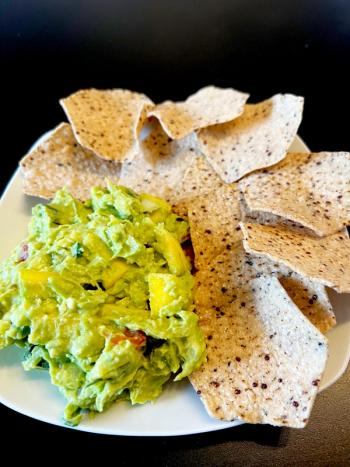
As part of its Heal at Home series, CURE® worked with a registered dietitian from Georgetown Lombardi Comprehensive Cancer Center to put together several cancer-friendly dishes that everyone can enjoy this summer.

Actor and cancer advocate Patrick Dempsey predicts that more focus will be put on complementary cancer care, such as nutrition and environmental factors, over the next several years.

CURE® asked its readers to share their difficulties eating after cancer, and what they did to help combat those challenges.
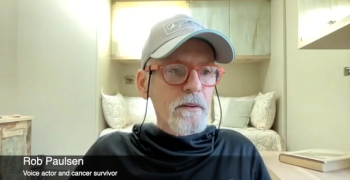
After realizing that alcohol and spicy foods were excruciating to consume after treatment, throat cancer survivor Rob Paulsen learned that smoothies were a much healthier — and more soothing — option.

As a caregiver to my daughter with breast cancer, I had to get creative in finding ways to help her keep food down after treatments made her nauseous.

A speech and swallowing specialist recommends that patients with head and neck cancer who have difficulties chewing and swallowing food eat before attending social situations to mitigate anxiety about eating around others.

Patients with cancer, their friends and families can enjoy these guilt-free recipes when sitting down to watch the Los Angeles Rams and Cincinnati Bengals go toe-to-toe during Super Bowl 56 on Sunday.

Patients who limit alcohol intake during their cancer treatment may experience several health benefits, according to physicians from Tampa Bay Radiation Oncology.
A mother of a breast cancer survivor explains how she and her daughter creatively incorporated exercise into her daughter’s daily routine to improve her physical and mental health during treatment.
Frail patients older than 70 years who underwent geriatric assessment and received pertinent advice related to those results were more likely to have high-quality conversations with their oncologists about age-related concerns like physical activity and cognition.
On this episode of the “Cancer Horizons” podcast, an expert from the Huntsman Cancer Institute explains how physical exercise can help patients with cancer and potentially reduce side effects.

Exercising during and after cancer treatment remains important for patients and building up endurance over time can help make goals less daunting, an expert said.
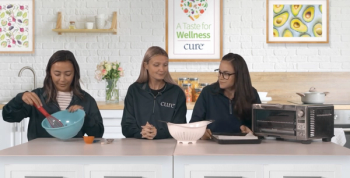
CURE®’s first episode of our new cooking show is finally here! We’ll give step-by-step instructions for three delicious recipes to support readers through every step of the cancer process.
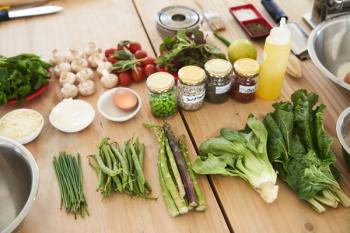
Lifestyle factors like diet and exercise can play a major role in cancer outcomes. In this article, a clinical dietitian offers advice on healthy eating before and after a cancer diagnosis.
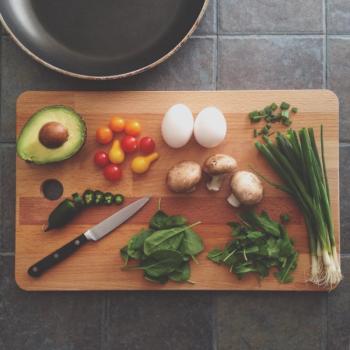
A successful cancer treatment process includes more than just surgery, chemotherapy and other treatments: it involves keeping up your wellness from both a physical and mental standpoint, an expert says.

A cancer survivor explains how mental stress related to cancer and the COVID-19 pandemic has impacted his nutritional habits.

When both groups had a similar cancer risk, individuals who adopted healthy lifestyles tended to have a lower cancer incidence than those who did not.

Most people who consume alcohol are unaware that it increases their risk of receiving a diagnosis of cancer, according to an expert.

For some cancer survivors, eating and drinking can become difficult, if not impossible, after treatment.
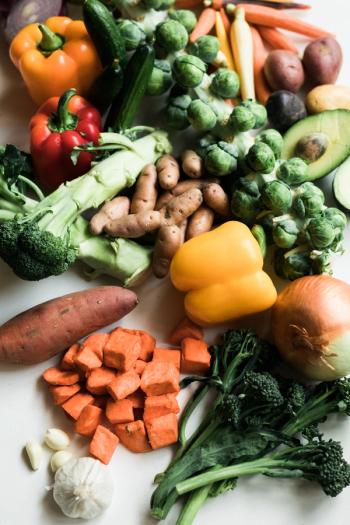
Remember when you were a child and your parents said to eat your vegetables to grow up strong and healthy? Well, it’s still true.

A woman with metastatic breast cancer shares a story about a woman with the same diagnosis and a recipe that was distantly inspired by their conversation.

Patients with a history of cancer may become empowered to make diet and exercise changes by attending a clinic either virtually or in-person, which may also have a long-term impact on future risk for disease and outcomes.
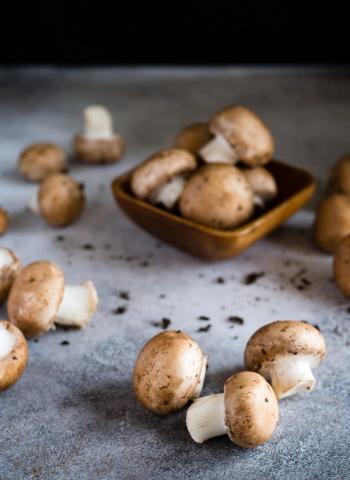
Participants who ate 18 grams of mushrooms a day had a 45% lower risk of developing cancer compared to those who do not eat them.

Prior to the program, patients with hematologic cancers walked an average of 136 steps in a 24-hour period. One month after the program began, that total increased to an average of 1,018 steps per day.

Having an exercise professional in chemotherapy infusion suites could significantly benefit patients with cancer and help improve health-related outcomes such as fatigue, according to recent study results.

The reduced incidence in developing advanced cancer in patients at least 50 years and older was more prominent in those with normal weight vs. overweight or obesity.
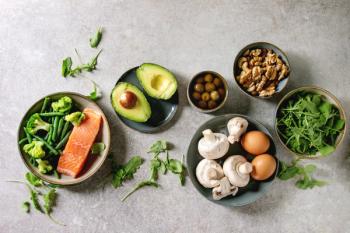
To gain a better understanding of the issues faced by geriatric patients with cancer, and to determine how much of a role nutrition plays in outcomes, Dr. Grant Williams, a geriatrician oncologist and assistant professor at the University of Alabama, Birmingham, worked with colleagues to create a patient-reported assessment tool that bridges the knowledge gap in this patient population.
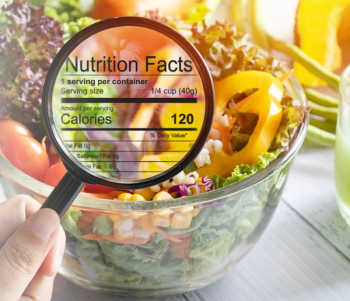
Paying attention to the updated nutritional labels on food can help Americans stay within dietary guidelines and prevent illness, including cancer.