






The FDA granted its first approval for a systemic therapy for patients with non-small cell lung cancer with an Neuregulin 1 gene fusion.
The FDA granted its first approval for a systemic therapy for patients with non-small cell lung cancer with an Neuregulin 1 gene fusion.
On the heels of two FDA approvals in lung cancer treatments, what innovations are next?

As a cancer survivor, I talk about where to look for the light when in utter darkness.

Melissa Ursini, diagnosed with stage 2 colon cancer, shares her journey to raise awareness and encourage early detection through colonoscopies.

The CEO of Triage Cancer discussed the “best-kept secret” of the health care system in an interview with CURE.

Artificial intelligence aids in polyp detection, enhancing colonoscopy effectiveness and reducing the risk of colorectal cancer progression in patients.

Treatment with thermal ablation was noninferior to surgical resection in small-size colorectal liver metastases, according to the COLLISION trial.

Avoiding surgery for rectal cancer, Sarah Rack of Memphis traveled to Houston for treatment every three weeks for 18 months.

A revelation has given me perspective for the New Year, inspiring me to embrace change, set new goals and upgrade myself to a better version in 2025.

Dr. Andreas M. Kaiser explains how a colostomy may preserve a patient’s health and help to avoid colorectal cancer complications.
Brukinsa plus R-CHOP demonstrated high efficacy and durable responses in double-expressor lymphoma, with manageable safety, supporting further phase 3 trials.

Dr. Park shares the three biggest takeaways, in his opinion, to have come out of the ASCO GU Symposium, highlighting studies across kidney, bladder and prostate cancers.

Verzenio plus Faslodex improved progression-free survival in HR+/HER2– advanced breast cancer after CDK/6i failure, with a manageable safety profile.
Dr. Guru Sonpavde emphasized the importance of better understanding how genetic mutations influence the treatment of cancer care, particularly GU cancers.

I reflect on my unexpected bond with a neighbor during my breast cancer treatment, finding comfort in his company when I needed someone to talk to.
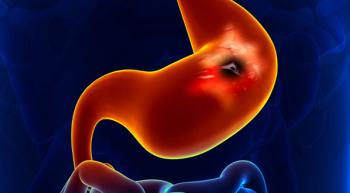
Enhertu improved overall survival versus chemotherapy in HER2-positive metastatic gastric cancer, prompting an interim analysis and potential regulatory approvals.

Replacing transplant and chemo with CI-based therapy and ISRT maintains survival, reduces side effects in younger patients with classic Hodgkin lymphoma.

The FDA approved Tevimbra with chemotherapy for adults with unresectable or metastatic esophageal squamous cell carcinoma whose tumors express PD-L1.

Krazati plus Erbitux is well tolerated in KRAS G12C-mutant metastatic colorectal cancer, with manageable side effects and less immune suppression.

Researchers have discovered a strong association between the use of immune checkpoint inhibitors for cancer treatment and a risk of new onset psoriasis.


Being diagnosed with colon cancer at 34 was difficult, but choosing happiness and acceptance helped me find peace through mindfulness, nature and family.
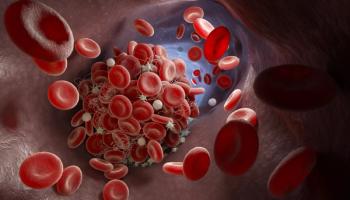
Among phlebotomy-dependent patients with polycythemia vera, the addition of rusfertide to standard-of-care treatment resulted in positive responses.
The FDA has accepted the resubmission of the BLA of Ordspono for review in relapsed/refractory follicular lymphoma following previous systemic therapy.

A patient shares his experience with a squamous cell carcinoma diagnosis, treatment and recovery.

The first patient with small cell lung cancer has been dosed in a trial of peluntamig (PT217) combined with chemotherapy.

The first patient has been dosed in a first-in-human clinical trial evaluating HLD-0915 for metastatic castration-resistant prostate cancer.

Dr. Frederick L. Locke sat down with CURE® to discuss treatment with cema-cel in the ALPHA/ALPHA2 studies for relapsed/refractory large B-cell lymphoma.

Camizestrant with a CDK 4/6 inhibitor had a statistically significant and clinically meaningful improvement in PFS in HR+/HER2– advanced breast cancer.

Treatment with the CAR T-cell therapy cema-cel demonstrated durable responses in patients with relapsed/refractory large B-cell lymphoma.