






After being diagnosed with colon cancer, I learned the life-changing lessons of self-love, stepping out of my comfort zone and embracing positive thinking.
After being diagnosed with colon cancer, I learned the life-changing lessons of self-love, stepping out of my comfort zone and embracing positive thinking.
Treatment with the T-cell immunotherapy Orca-T improved survival free of moderate-to-severe chronic graft-versus-host disease across leukemia subtypes.

The first patient has been dosed in a phase 2b trial evaluating the first-in-class agent Halneuron for those with neuropathic pain following chemotherapy.
Dr. Debu Tripathy discusses recent research on the use of circulating tumor DNA in metastatic breast cancer care.

Elahere shows consistent survival benefits in patients with folate receptor alpha-positive platinum-resistant ovarian cancer in the MIRASOL trial.
Bexobrutideg, a bioavailable agent, was granted orphan drug designation by the FDA for Waldenström macroglobulinemia, a type of non-Hodgkin's lymphoma.


Years after losing my brother to Hodgkin’s lymphoma, I learned something about how he felt facing a terminal diagnosis by studying an old Polaroid.
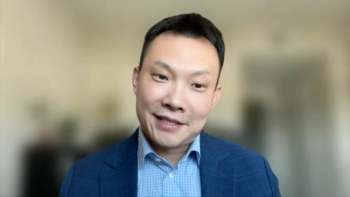
Dr. Yufei Liu discusses how updates to precision radiation therapy are reshaping colorectal cancer care.
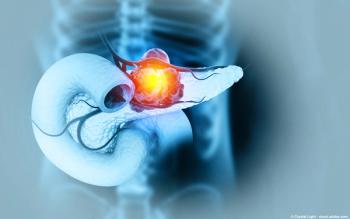
The FDA has granted orphan drug designation to PEP-010 for pancreatic cancer, advancing its development as a potential novel treatment for the disease.

Among patients with renal cell carcinoma, those with larger tumors may yield the most benefit from SBRT compared with other ablative options.
Real-world data suggest Jakafi shows limited benefits in CALR-mutated myelofibrosis.

CURE spoke with Kelly Grosklags of Conversations With Kelly at the Miami Breast Cancer Conference.

Dr. Kevin Kalinsky covers the gamut of the current treatment landscape for patients with HER2-negative breast cancer, highlighting recent advancements.
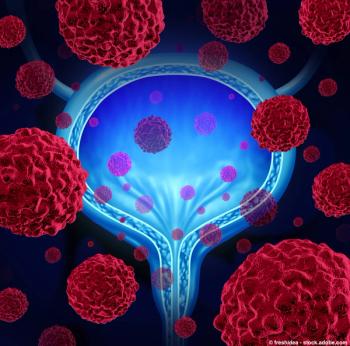
Jelmyto demonstrated long-term efficacy in low-grade upper tract urothelial carcinoma, with most maintaining complete response after several months.

Investigators found that some patients with high-risk nonmetastatic hormone-sensitive prostate cancer were understaged by conventional imaging.
Dr. Joseph Mikhael discusses the overlooked symptoms of multiple myeloma in honor of Myeloma Awareness Month.

Cancer research saved my daughter’s life, and despite setbacks, we must support these efforts to ensure more lives are saved from cancer.

Dr. Deepa Jagadeesh discusses Ordspono's potential FDA approval for relapsed/refractory follicular lymphoma, highlighting its manageable toxicity and low CRS rate.

Blue light cystoscopy had a statistically significant reduction in risk of recurrence versus white light cystoscopy in high-risk bladder cancer.
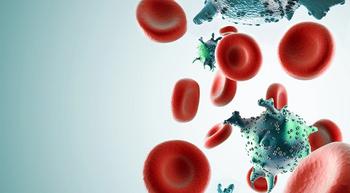
For patients with relapsed/refractory chronic lymphocytic leukemia, extended treatment with Imbruvica and Venclexta was found to be beneficial.

Antihistamines are associated with improvement for patients with metastatic urothelial carcinoma receiving Tecentriq.
Dr. Kevin Kalinsky discusses the role of targeted therapy and clinical decision-making in managing estrogen-driven, HER2-negative breast cancer.

Practicing consistency has made a difference for me while living with stage 4 breast cancer.

Dr. Alan Tan explores circulating tumor DNA, its role in clinical trials and its potential impact on patients with renal cell carcinoma.
Following the Bacillus Calmette-Guérin shortage, the first patient with bladder cancer has been dosed with recombinant Bacillus Calmette-Guérin in the U.S.
Dr. Chandler Park sat down for an interview with CURE® to discuss the biggest takeaway from the 2025 ASCO GU Symposium in terms of prostate cancer therapy.
The phase 2 TEDOPaM trial evaluating patients with advanced or metastatic pancreatic ductal adenocarcinoma met its primary end point.
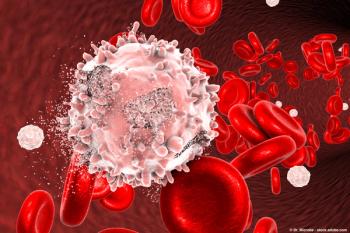
Press Release
It’s easy to think of scientific researchers as existing in a vacuum.
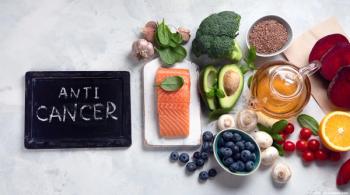
Press Release
Nutrition is a challenge for many patients with cancer.