










Autologous hematopoietic cell transplantation, compared with CAR-T cell therapy, resulted in lower rates of relapse and improved progression-free survival in patients with relapsed large B-cell lymphoma while they were in complete response.
Autologous hematopoietic cell transplantation, compared with CAR-T cell therapy, resulted in lower rates of relapse and improved progression-free survival in patients with relapsed large B-cell lymphoma while they were in complete response.

The recent phase 3 TRANSFORM-1 study concluded that navitoclax combined with Jakafi showed significant spleen volume reductions in patients with myelofibrosis.
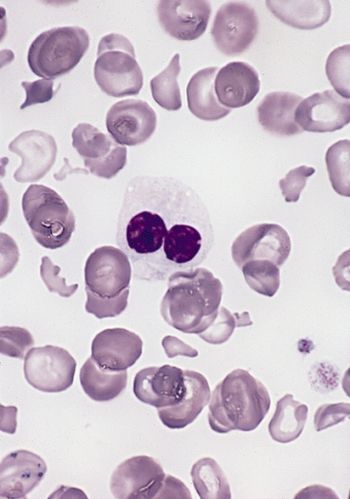
The stem cell thrapy, Orca-T led to promising relapse-free and overall survival rates in patients with intermediate- to high-risk myelodysplastic syndrome.

Data from the ZUMA-7 trial shows that age alone should not be a barrier of consideration of administering CAR-T cell therapy to patients with large B-cell lymphoma, says Dr. Marie José Kersten.
An artificial intelligence platform was able to tell the difference between patients with prefibrotic primary myelofibrosis and essential thrombocythemia. However, an expert says that there are considerations that patients must remember when it comes to the use of such programs.
The quality-of-life improvement with Abecma in patients with relapsed/refractory multiple myeloma was greater when compared with standard regimens.

Brukinsa led to improved progression-free survival over Imbruvica in patients with relapsed or refractory chronic lymphocytic leukemia or small lymphocytic lymphoma, follow-up from the phase 3 ALPINE study showed.

Presurgical Keytruda Plus Chemo, Postsurgical Keytruda Continued to Show Benefits in in patients with high-risk, early-stage triple-negative breast cancer.
Tecartus is safe and effective in real-world patients with relapsed/refractory mantle cell lymphoma, regardless of the presence of high-risk features.

Research demonstrated comparable outcomes in the real-world setting and in the phase 2 MajesTEC-1 trial when it came to treatment with Tecvayli for relapsed or refractory myeloma.

Treatment with an all-oral regimen led to three-year overall survival and relapse-free survival rates of 97% in patients with acute promyelocytic leukemia, a subset of acute myeloid leukemia.

Opdivo and non–anthracycline containing chemotherapy before surgery produced promising pathologic complete response rates regardless of whether Opdivo was administered before or during treatment with carboplatin and paclitaxel in patients with stage 1 to 2B triple-negative breast cancer.
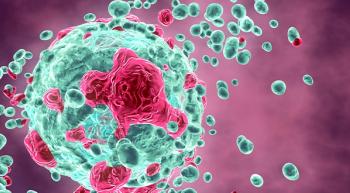
Preliminary study results examining the bispecific antibody, CDK4/6 inhibitor and hormone therapy combination in patients with advanced breast cancer were presented at SABCS.
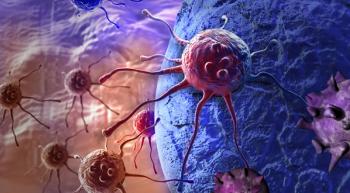
Results from the ADAPTcycle trial found that endocrine therapy plus ovarian suppression can generate high response rates in patients with HR-positive, early breast cancer, regardless of age.

A recent phase 3 APTneo Michelangelo trial added Tecentriq to neoadjuvant Herceptin plus Perjeta and chemotherapy which did not lead to a statistically significant improvement in pathologic complete response in patients with HER2-positive operable breast cancer.

Kadcyla outperformed Herceptin regarding overall- and invasive disease-free survival in patients with HER2-positive early breast cancer that still had remaining invasive disease after undergoing neoadjuvant therapy.
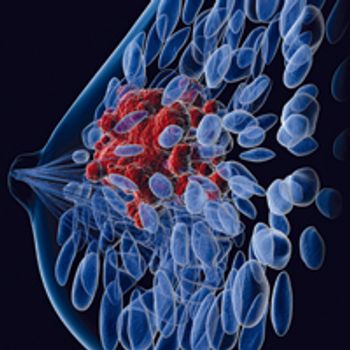
Patients with ER-positive, HER2-negative, ESR1-mutant advanced breast cancer experienced improvements in progression-free survival when being treated with Orserdu, study results showed.

Having had cancer twice before, I know the choreography if I have it again.

As Billy Bean, MLB VP, revealed a cancer diagnosis and Toronto Blue Jays sportscaster, Jamie Campbell showed pre-skin cancer photo, here is what’s happening in the oncology space this week.

Findings were presented at the 2023 San Antonio Breast Cancer Symposium from a study investigating real-world patients who received Enhertu for advanced breast cancer.

A triple-negative breast cancer survivor discussed disparities she faced when undergoing cancer care.

Dato-DXd (datopotamab deruxtecan) as a form of treatment compared to chemotherapy resulted in improved progression-free survival for patients with previously treated hormone receptor-positive/HER2-negative inoperable or metastatic breast cancer.

The introduction of Tukysa to Kadcyla emtansine significantly improved progression-free survival versus placebo plus Kadcyla in patients with previously treated HER2-positive metastatic breast cancer.

This year, as winter approaches, I’ve been thinking about how I winterize my life and my exercise so that I am ready for more when spring arrives.

Race demonstrated differences in overall survival outcomes, but not for three-year recurrence-free survival in patients with HR-positive, HER2-negative breast cancer, according to data.
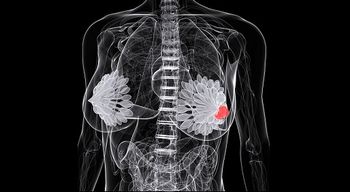
The combination of Keytruda to neoadjuvant chemotherapy, followed by Keytruda in combination with endocrine therapy improved pathologic response rates for patients with early-stage, high-risk, estrogen receptor (ER)–positive/HER2-negative breast cancer.
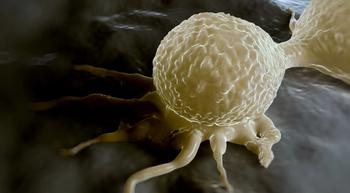
Research is underway on the immune-stimulating antibody conjugate BDC-1001’s effectiveness against HER2-positive cancers when combined with Perjeta, according to data presented at SABCS.

Patients with HR-positive, HER2-negative breast cancer tended to have longer health-related quality of life and improved outcomes with Truqap plus Faslodex, research showed.

The use of artificial intelligence to detect sentinel lymph nodes in patients with breast cancer may be able to save time and reduce costs as compared with immunohistochemistry.

Every holiday season, one song starts to play in my head even if I do not hear it on the radio: “All I Want for Christmas Is My Two Front Teeth.”