




My health care team was monitoring me for cancer due to a BRCA mutation. When a hysterectomy got delayed for various reasons, I ended up with ovarian cancer.
My health care team was monitoring me for cancer due to a BRCA mutation. When a hysterectomy got delayed for various reasons, I ended up with ovarian cancer.

Patients with head and neck squamous cell carcinoma can talk to their care team about a trial evaluating petosemtamab for recurrent or metastatic disease.

A novel antibody-drug conjugate received an investigational new drug application for patients with gynecologic and lung cancers.

DDF uses creative expression to inspire the next generation of patient advocates.

I watched two relatives go through cancer treatment. When I received my own diagnosis, I was thankful that my chemotherapy was more tolerable.

From finding reputable info to asking, “Do I really need all these drugs?” experts weighed in on important questions to ask after a myeloma diagnosis.

As soon as one cancer survivor spoke, I knew I had to meet and offer to work with her.

I had a mindset shift when I met someone during chemotherapy treatment who told me that I’d die of my disease, like everyone else.

Her beautiful smile and handy note pad were always there when we needed her most at the infusion center.

When I fell in love, I didn’t know my husband would end up getting cancer, but I also glad I learned that normal people like me can make a difference.

23andMe and 20 lung cancer advocacy organizations are working to improve lung cancer detection, risk reduction and care.

Being a breast cancer survivor herself, Nancy knows how to connect with the patients. She understands what they are going through, and she knows what types of testing or medications are needed for their diagnosis.

Questions about whether scalp cooling is painful and how long sessions last were answered by an expert during an interview with CURE®.

It’s easy to fall into depression and anxiety during long hospitalizations for cancer, but creativity helped pull me out of those negative feelings.

From democratic Rep. Sheila Jackson Lee’s death from pancreatic cancer to the rock band, Widespread Panic, canceling shows due to their guitarist’s diagnosis, here’s what’s happening in the oncology space this week.

When I was diagnosed with leukemia in 2004, it was before the days of social media. However, I still found an online support group that was very helpful.
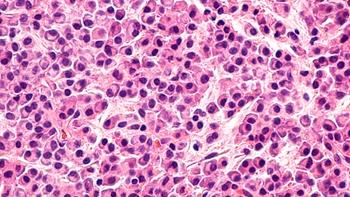
“Patients did great” with a four-drug regimen for multiple myeloma, an expert told CURE®.

For certain patients with cancer, scalp cooling to reduce chemotherapy-related hair loss may be a beneficial option.

From a testicular cancer scare to colon and skin cancers, my body is a roadmap of my cancer experiences.

Sequencing the novel drug, THIO, with Libtayo tended to be tolerable in patients with non-small cell lung cancer, recent research showed.

From radiopharmaceuticals to hypofractionated radiation therapy, one expert explained the current landscape of radiation treatments for prostate cancer.
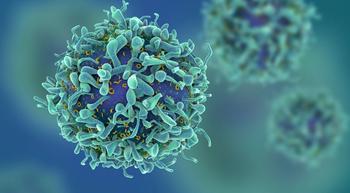
Treating patients with CAR-T cell therapy Breyanzi may change the paradigm for those with relapsed or refractory mantle cell lymphoma, an expert said.

We asked oncology experts what questions patients should ask their doctors soon after receiving a cancer diagnosis. This is their advice.

I get upset when I read something thinking it’s true and then find out later it isn’t, especially when it’s something important regarding cancer or lymphedema.
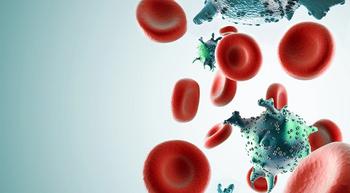
Eighty percent of patients with relapsed or refractory Waldenstrom’s macroglobulinemia responded to treatment with iopofosine I 131, researchers found.

My diagnosis of neuroendocrine carcinoma gave me a new perspective on life.

Reduced doses of radiation were shown to be effective for some patients with indolent orbital B-cell lymphoma, researchers said.

Here are answers to 10 questions patients asked at the CURE® Educated Patient® Metastatic Breast Cancer Summit about scans, treatment and clinical trials.

A friend of mine is strong in her faith and is living well with a stage 4 cancer diagnosis. She is someone I look up to in these matters.
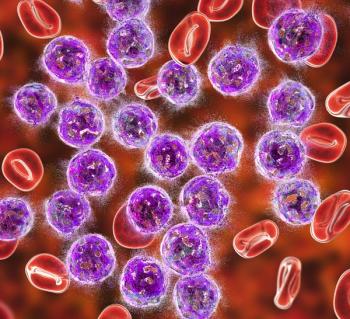
Researchers identified five traits that may increase a person’s chance of experiencing polycythemia vera progression.