







A doctor describes a nurse’s ability to make his job rewarding and efficient, which he said can be a rare quality in a partner.
A doctor describes a nurse’s ability to make his job rewarding and efficient, which he said can be a rare quality in a partner.

A colleague describes a nurse’s aim to not only provide the best care for her patients but also be a continuous student of health care.

The study results lend strength to discuss prostate cancer screening in younger Black men, according to an expert.

The decision from the Food and Drug Administration marks the first approval of a targeted treatment option for adults with non-small cell lung cancer whose tumors harbor a specific genetic mutation.

A caregiver describes her daughter’s experience with breast cancer, and what the month of May signifies to them both.

From Al Roker’s cancer screening advice to the death of actor Charles Grodin, here’s what’s happening in the cancer landscape this week.

The data, according to an expert, show that treatment with Tecentriq could delay disease progression to an advanced stage, as well as the need for more aggressive therapy.

The use of Opdivo combined with the novel therapy relatlimab resulted in a significant improvement of progression-free survival compared to treatment with Opdivo, alone, in patients with previously untreated, unresectable or metastatic melanoma.
Opdivo was approved by the FDA for use if disease persisted after neoadjuvant chemoradiotherapy in these patients, which is “exciting news,” as patients would typically undergo surveillance when this occurred.
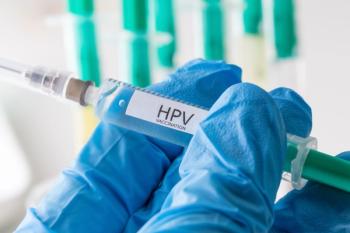
Almost 20 years of data indicate that the incidence of HPV-related cervical cancer is noticeably declining, however other cancers related to the virus continue, and are expected, to increase.

A patient offers advice on getting patient portals, electronic medical records and technology organized and functioning correctly.

In this episode of the “CURE® Talks Cancer” podcast, Dr. William Breitbart, chairman of the Department of Psychiatry and Behavioral Sciences at Memorial Sloan Kettering Cancer Center, discusses the impact of the COVID-19 pandemic on mental health within the cancer community and what people can do to manage this extra strain.

Factors such as red meat intake, alcohol consumption, low aspirin use and education level could contribute to a greater risk of an early-onset colorectal cancer diagnosis.

Survival rates in this study were similar across cancer types including colorectal and prostate cancers, which may indicate a need for updated policies to include more patients.

Long-term survivors of childhood cancer may have increased risks of cancer-related worries, which may be associated with higher levels of substance use, health care utilization and lower rates of physical activity.

When a patient’s cancer care team determines treatment is no longer working, it’s time to make some difficult decisions regarding long-term care, writes one breast cancer survivor. Here, she shares advice on how family members can offer their love and support.

Patients with cancer who scored highly on depression and anxiety tests were more likely to suffer from symptoms of chemotherapy-induced nausea, according to results of a recent study.

Patients with cancer can advocate for themselves by researching their illnesses and treatments before an appointment, so they’re able to ask better questions, says an expert from the HealthTree Foundation for Multiple Myeloma.

Recently published data support the use of next-generation sequencing as a standard practice in patients with advanced cancer and cancer of an unknown primary location, according to the study’s authors.

Recent CDC recommendations that children ages 12 to 15 are eligible to receive the Pfizer COVID-19 vaccine can include patients with cancer, except under certain extreme circumstances, says an expert from St. Jude Children’s Research Hospital.

A woman with metastatic breast cancer laments the losses she’s faced due to cancer.

In an updated recommendation for colorectal cancer screenings, the U.S. Preventive Services Task Force (USPSTF) changed the starting age for screenings from 50 years to 45 years. The recommendation requires insurance companies to cover preventive procedures such as colonoscopies and stool tests.

Consuming even one sugar-sweetened drink per day such as soda, fruit-flavored drinks, energy drinks, punches and sports drinks after a breast cancer diagnosis could increase the risk of mortality.

A diagnosis of diabetes, high blood pressure or cardiovascular disease within two years of being diagnosed with breast cancer impacted a woman’s risk for death related to breast cancer or cardiovascular disease.

On social media, CURE® recently asked its readers to share how a pet helped them during their experience with cancer. Here’s what they shared.

A pancreatic cancer survivor shares how he copes with the never-ending fear of cancer taking his life.

When a patient is first diagnosed with myeloma, they should seek out various opinions until they find a specialist that is well-versed in their cancer type, says an expert from the HealthTree Foundation & Myeloma Crowd.

In honor of Skin Cancer Awareness Month, CURE® compiled some recent news and updates from this field that patients, survivors and caregivers may have missed.

A retired public health specialist and survivor of both thyroid and breast cancer pens a poem about her experiences with treatment and what it’s like to be “pulled under the water” by cancer.

Having a daughter with cancer can be difficult, but having a nurse by your side guiding your daughter and yourself throughout the journey can make things a little less stressful.