







A national report finds cancer workforce shortages and administrative burdens may delay care, with solutions focused on training and efficiency.
A national report finds cancer workforce shortages and administrative burdens may delay care, with solutions focused on training and efficiency.

Researchers identified nine genetic markers that help HER2-positive breast cancer resist treatment, paving the way for more personalized patient care.

App-based self-acupressure improved fatigue and quality of life for women with ovarian cancer in a phase 3 trial, with benefits lasting to 24 weeks.
This device detects and characterizes lesions on low-dose CT scans, helping patients with cancer get faster, tailored care and avoid unnecessary procedures.

Looking back over the setbacks and blessings of the roller coaster ride that was my cancer treatment journey.
Study finds survival was similar during ovarian cancer trials, but gaps returned after, underscoring need for broader, more inclusive enrollment.

PLT012 received FDA fast track status for liver cancer, with an ongoing trial evaluating safety and early activity of the CD36-targeting immunotherapy.

Dr. Gwen Nichols explains how Orca‑T may reduce graft-versus-host disease and impact treatment decisions for certain patients with blood cancers.

ACS data show rising five-year survival and shifting cancer care toward survivorship, access to novel therapies and prevention as incidence climbs.
Study finds similar PFS across races in ovarian cancer trials, but Black patients had shorter OS, raising concerns about disparities after trial completion.

For many patients with cancer, it is never too soon to begin discussing fertility preservation options as they begin their cancer journeys.
A myeloma survivor in long remission shares how research, expert care and advocacy turned fear into hope as more patients live longer after cancer

After cancer, I learned how to weigh environmental risks and make informed decisions for long-term survivorship and peace of mind.

FDA grants breakthrough status to Rybrevant Faspro for recurrent or metastatic HPV-negative head and neck cancer after prior therapy.
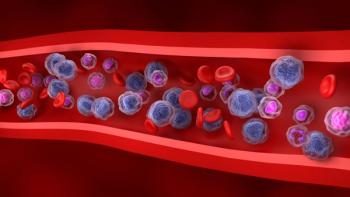
Annamycin plus cytarabine achieved a 40% preliminary remission rate in relapsed AML, including patients who previously received Venclexta-based therapy.

Researchers developed a tool to predict chemotherapy response for patients with triple-negative breast cancer.
Dr. McKenzie explains bile duct cancer subtypes, genomic profiling, targeted therapies and multidisciplinary strategies to improve quality of life.

Dr. Ashkan Emadi outlines eligibility, referral and care logistics for a first-in-world subcutaneous Blincyto trial at WVU Cancer Institute.
A new study suggests that a proactive, tech-driven approach to palliative care can significantly improve the lives of children with advanced cancer.

A patient with cancer reflects on participating in a clinical study and how community and creativity helped ease chemo brain symptoms.
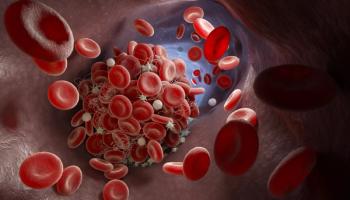
FDA accepted a new drug application for tirabrutinib in relapsed or refractory PCNSL.

The FDA approved a once-monthly Rybrevant Faspro schedule with Lazcluze for first-line EGFR-mutated advanced NSCLC, reducing visits.
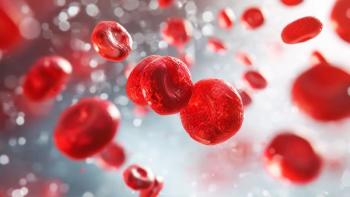
FDA approves Filkri, a biosimilar that helps reduce infection risk and speed white blood cell recovery during chemotherapy and other treatments.

Rising cancer rates in young adults highlight the need for employer support, flexible work and whole-person health programs to improve outcomes.

Braftovi plus Erbitux and FOLFIRI improved progression-free survival in untreated BRAF V600E metastatic colorectal cancer in the phase 3 BREAKWATER trial.
Dr. McKenzie discusses gallbladder cancer risk factors, imaging signs and how surgery and lymph node evaluation impact outcomes.

The FDA is reviewing iberdomide for relapsed or refractory multiple myeloma, with a decision date set for August.

Patients with stage 4 lung cancer and EGFR mutations may benefit from combination therapies that improve disease control.

Five years ago, I finished treatment and was determined to be no evidence of disease. Until my most recent CT scan, there’s been no sign of recurrence.

Black patients were underrepresented in ovarian cancer trials and had lower overall survival than White patients in a pooled analysis of 1,903 participants.