






“Collectively, these results support acalabrutinib (Calquence) use in upfront CLL,” said Dr. John C. Byrd. “This is compounded and supported by two additional phase III studies that have been completed with this agent.”
“Collectively, these results support acalabrutinib (Calquence) use in upfront CLL,” said Dr. John C. Byrd. “This is compounded and supported by two additional phase III studies that have been completed with this agent.”

Results from an early-phase trial showed that cirmtuzumab plus Imbruvica is safe and efficacious in treating patients with relapsed/refractory MCL and CLL.

Knowledge is power, and using that is vital on the cancer journey.
Viewing scars associated with cancer can be a difficult thing, but with a little understanding, it can become easier.
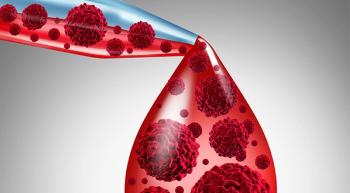
One survivor has advice for others affected by both cancer and the COVID-19 pandemic: Accept your limitations.

Each month, we take a look back at the most popular CURE® stories. Here are the top five stories for May 2020.

Dr. Brad S. Kahl discusses the unique challenges that occur when treating patients with indolent non-Hodgkin lymphoma.
"Good luck, and if you can’t keep your hair, just remember it puts a bad hair day in perspective."
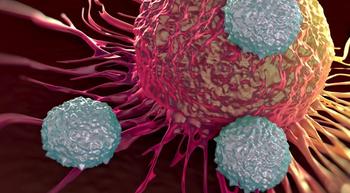
CC-92480, a novel cereblon E3 ligase modulator agent, in combination with dexamethasone appeared safe and active in patients with heavily pretreated relapsed or refractory multiple myeloma, according to data presented during the 2020 American Society of Clinical Oncology (ASCO) Virtual Scientific Program.
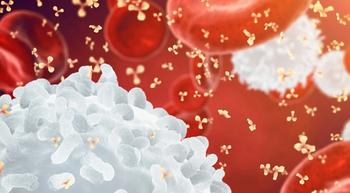
“Altogether, this pharmacological data supports the concept of CAR T-cell therapy being able to overcome MCL disease with poor risk factors,” said lead study author Dr. Luhua (Michael) Wang.
COVID-19 and cancer are very different in how they work in the body, but the psychosocial challenges they present are also very familiar.
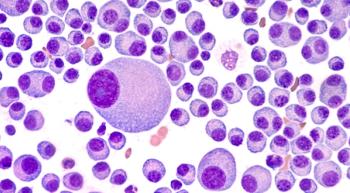
The addition of the novel drug Xpovio to the regimen of Velcade and dexamethasone delayed disease progression, reduced peripheral neuropathy and required fewer office visits in a study of previously treated patients with multiple myeloma.
New findings, presented at the 2020 ASCO Virtual Scientific Program, suggest that the standard of care for newly diagnosed patients with multiple myeloma remains as Kyprolis triplet does not improve outcomes.

“The approval of this new firstline metastatic EGFR-mutated non-small cell lung cancer regimen … is an important milestone in the treatment of this disease,” said Dr. Edward Garon.

“Although more evidence is needed before changing clinical practice, these are highly promising results, suggesting that (Bavencio) could prevent patients with chemo-resistant disease from the severe toxicity of chemotherapy combinations.”
The Food and Drug Administration approved the combination of Tecentriq and Avastin in patients with unresectable or metastatic hepatocellular carcinoma, making it the first immunotherapy regimen to be approved for this cancer type.

“These long-awaited trial results will change clinical practice,” lead study author Dr. Thierry André, of the Sorbonne Université and Hôpital Saint Antoine in Paris, said in an ASCO-issued press release.
“The improvement in disease-free survival following surgery that was seen in the ADAURA study supports the use of this targeted therapy in an earlier stage of disease,” said ASCO chief medical officer and executive vice president Dr. Richard L. Schilsky.

When compared with Nexavar, Fotivda showed improved progression-free survival, and a more manageable safety profile for patients with relapsed or refractory metastatic renal cell carcinoma.
When a cancer diagnosis is handed down a new commitment to the cancer journey is made, but for every patient, it's a different commitment with its own sacrifices, challenges and perspective.

From a five-year-old patient with liver cancer receiving a birthday surprise to a mother-daughter duo releasing a children’s book to help families going through breast cancer treatment, here’s what is making headlines in the cancer space this week.

Utilizing data from the INFORM registry, researchers were able to identify key biologic targets in pediatric patients with cancer utilizing an algorithm that matched them to targeted treatments with promising results.

The immunotherapy Bavencio improves survival when given as a maintenance treatment in patients whose advanced urothelial carcinoma did not progress on platinum-based chemotherapy.

The doctors and researchers at the Penn Pancreatic Cancer Research Center (Perelman School of Medicine at the University of Pennsylvania) examine different aspects of pancreatic cancer to find better treatments.
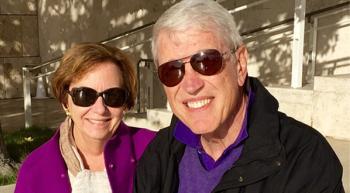
John Sherry has had two surgeries for his pancreatic cancer, but he is feeling good now.

Robert Weker used his previous experience with cancer to guide his treatment for pancreatic cancer, including whether to participate in a clinical trial.

Rachel Moreno credits long-term survivor status to her choice to move to her son's in Michigan for treatment, where she found a doctor and a clinical trial.
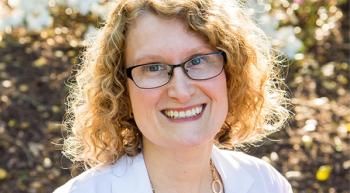
Oncology nurse Heather Hannon offers tips and suggestion about what's best to bring to treatment, so you have your chemotherapy infusions in comfort, and pass the time peacefully.

“The cancer care community urgently needs data on the effects of COVID-19, specifically in patients with cancer,” ASCO President Dr. Howard A. Burris III said in a press release.
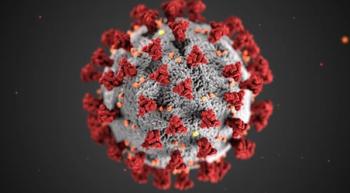
New findings suggest that patients with thoracic cancer who receive chemotherapy three months after a COVID-19 diagnosis may have an increased risk of death compared to similar patients who underwent different treatment.