






Each month, we take a look back at the most popular CURE® stories. Here are the top five stories for June 2020.
Each month, we take a look back at the most popular CURE® stories. Here are the top five stories for June 2020.

The Food and Drug Administration approved Bavencio as a first-line maintenance therapy for patients with locally advanced or metastatic urothelial carcinoma.
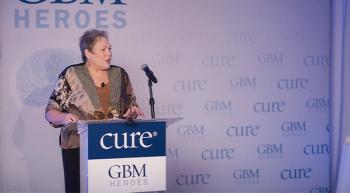
“I had the honor of spending time with Kathy at CURE's inaugural Ovarian Cancer Heroes ceremony. She was such a nice, helpful person and did so much for the cancer survivor community,” one Facebook user wrote about CURE Magazine co-founder Kathy LaTour.

A cancer journey influences how a person contemplates retirement. In my case, it inspired me to retire from teaching earlier than I had originally planned.
Across cancer types, a unique immune-stimulating treatment called tumor-infiltrating lymphocyte therapy produces durable remissions that could last for decades.
Keytruda bested chemotherapy, delaying disease progression or death by 40%, in a clinical trial that led to the drug’s approval for use as a single initial treatment for patients with colorectal cancer.
A PCF-funded study of men with prostate cancer in Italy suggests that men with prostate cancer who were taking ADT were 4 times less likely to be infected with the coronavirus than men who were not on ADT (androgen deprivation therapy), and 5 times less likely to die. These new findings are a game-changer and may lead to potential treatments for COVID-19, even in men without prostate cancer.
The aim is to explore the magnitude of the problem and give researchers and clinicians new insights to improve the quality of life for women lung cancer survivors.
“With a new administration route, Phesgo offers an outpatient option for patients to receive (Perjeta) and (Herceptin),” Dr. Richard Pazdur said in a press release issued by the FDA.
Breast pain during the pandemic is extra worrisome, but finding an explanation for it is sometimes much simpler.

In its first virtual performance, the Visible Ink writing therapy program at Memorial Sloan Kettering Cancer Center shared works by patients and staff members that touched on the COVID-19 pandemic and were interpreted by celebrity actors, singers and dancers.
Follow up appointments can be scary and nerve-racking for patients anticipating potentially bad, or confusing, news. However, one survivor details steps to help with anxiety around oncology follow up appointments.
Takeaways from 3 months of video tele-mental-health care during cancer treatment amid the coronavirus pandemic.
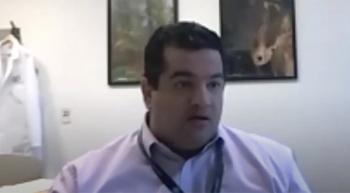
In an interview with CURE®, Dr. Mazyar Shadman discussed the enormous variety of treatment preferences among patients with CLL and said that emphasis should be placed on treating each person according to their wishes.

“These things cannot just shut down completely because these diseases don't exist in isolation,” says Dr. Paul Paik.
In honor of CURE co-founder Kathy LaTour, who passed away June 19, 2020, a fellow VOICES writer shares the lessons she learned by reading Kathy’s insightful words.

From the National Cancer Institute launching a nationwide study of patients with cancer who either have COVID-19 or are being tested for it to understand the disease to “St. Elmo’s Fire” and “Batman and Robin” director Joel Schumacher passing away from cancer, here’s what’s making the headlines in the cancer space this week.

“Let's try to make something good out of something really bad,” says “Survivor: Africa” winner, and lymphoma survivor, Ethan Zohn.
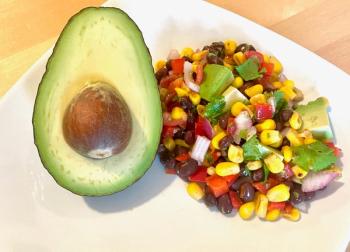
This week’s Cooking with CURE recipe for Chipotle Corn Salad, courtesy of the oncology dietitians at the John Theurer Cancer Center, is a perfect pantry-staple dish that’s packed with many vitamins and minerals, including A, E, iron and magnesium.
"Age is an issue of mind over matter. If you don't mind, it doesn't matter."

Here is a list of the recent trial initiations that occurred within the cancer space in June.

A new tool analyzes patterns of RNA expressed from genes, pinpointing more patients with cancer who can benefit from immunotherapies and targeted drugs.
The Food and Drug Administration approved Keytruda to treat patients with recurrent or metastatic cutaneous squamous cell carcinoma that cannot be treated with surgery or radiation.
Ten years ago, as I was approaching my first follow-up scan, I asked a seasoned cancer survivor if the anxiety of going through these rituals ever got easier. Without hesitation, she smiled and said "no."

Immunotherapy could help a segment of patients with metastatic prostate cancer, a study found.

For the treatment of patients with non-small cell lung cancer, the field has seen one approval after the other, but for one expert this is a sign that things are moving too fast to be applied in a "rational trial strategy".

New immunotherapy combinations aim to turbocharge the immune system’s attack against cancer.

The Food and Drug Administration has had a busy couple of weeks, approving new agents to treat a variety of cancers. Here are five recent approvals that patients with cancer may have missed.
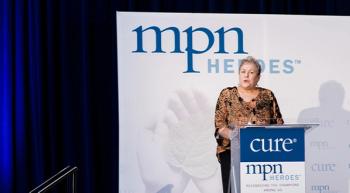
“Anyone who met my mother was touched by her spirit. She challenged people to be curious, to seek more, to learn more and to challenge themselves,” LaTour’s daughter, Kirtley Perkins, wrote on Facebook.

Immunotherapy with Keytruda shows promise in advanced uncommon cancers in which new treatment options are needed.