



One breast cancer survivor's thoughts on news from a recent study about the potential risks of surgery.
One breast cancer survivor's thoughts on news from a recent study about the potential risks of surgery.
Six and 12 months after finishing chemo, I reflected on how my healing continued.
When cancer becomes a topic of conversation during a job interview.
Advice from a long time survivor proves fruitful in helping this breast cancer survivor regroup.
Cancer decisions get to be made based on each person's unique situation.
This cancer survivor shares his experience with advancements in cancer treatment.

In particular, patients whose tumors have certain genetic mutations may respond especially well to this combination approach.
As a testicular cancer survivor, April is a step in the right direction, but we can do more

There are a number of different treatment options for patients with relapsed myeloma, and it is important that patients and providers dicuss health history to determine which one is best.
It is OK to laugh during cancer treatment. Laughing and humor are one of the few things cancer can't touch.
I learned a lot during my time as a caregiver, and plan to carry that over in my career as an oncology nurse.
We have lots of questions. And often the answers we seek are as close as the people we meet.
Being unsure of medical coverage can cause cancer patients undue stress, which is very unhealthy.

For patients with melanoma, administration of a PD-1 checkpoint blockade therapy in the neoadjuvant setting – meaning it was given before the main treatment – could result in improved outcomes and better insight to patient responses.
Thinking back on my friends who fought cancer with me can sometimes be daunting, but I like to look for the silver lining.

The Food and Drug Administration (FDA) approved Tagrisso as a first-line treatment for patients with non–small cell lung cancer (NSCLC) whose tumors harbor EGFR mutations.

The Food and Drug Administration (FDA) granted priority review to a supplemental biologics license application for Opdivo (nivolumab) for the treatment of patients with small cell lung cancer with disease progression following two or more lines of therapy.

After being diagnosed with a rare cancer, professional runner Gabriele Grunewald became inspired to start a nonprofit that raised awareness for other rare cancers and empowered those who have them.
Why does shame seem to go along with a cancer diagnosis, and how can we help each other?
Tavalisse (fostamatinib) was granted approval by the Food and Drug Administration (FDA) for patients with chronic immune thrombocytopenia (ITP) after they had an insufficiencent response to another therapy.
How I learned I was "no evidence of active disease," was reminded of an important appointment and the other benefits that the OpenNotes movement wants to make available to all patients
Here's my advice on all that non-expert advice.

Berubicin showed promise in the treatment of glioblastoma as a drug that was able to cross the blood-brain barrier.
Only a 20-something cancer survivor could re-imagine his port removal procedure as a deleted scene from the Avengers.
We can say the word "cancer" out loud nowadays. But how much does the general public understand about it? And why?
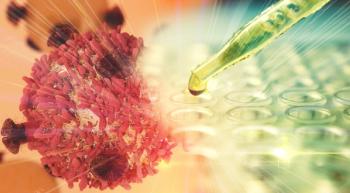
Most recently, the dynamic duo of Yervoy (ipilimumab) plus Opdivo (nivolumab) – both checkpoint inhibitors – extended average progression-free survival (PFS) rates more than three times than standard-of-care chemotherapy in patients with advanced non-small cell lung cancer (NSCLC) with high tumor mutational burden (TMB).
Connections on the cancer ward are Inevitable, but fear of loss can make those relationships painful.
Lets try positive motivation to improve our diet and exercise habits!
“Young people, in general, think they are invincible. I certainly did.” Said Stacy Hurt, an early-age onset rectal cancer survivor.

Tests like these are growing increasingly important, as TOO results lead to treatment changes about 65 percent of the time and a site treatment change about 35 percent of the time, according to Cancer Genetics.