




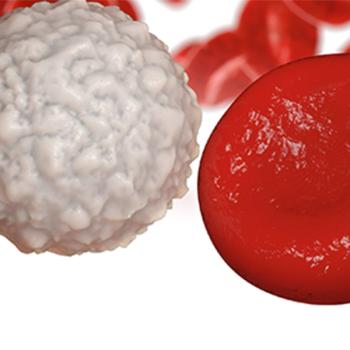
A type of CAR-T cell therapy is showing promise in a phase 1 study for patients with Hodgkin lymphoma and ALCL.
A type of CAR-T cell therapy is showing promise in a phase 1 study for patients with Hodgkin lymphoma and ALCL.

Researchers at Yale compared people who used conventional therapy to those who used only alternative methods

A breast cancer survivor learns to shed her old identity and adapt to her new one.
Appreciating the benefits of radiation, but still hoping for better advancements in an evolving field.

Lynparza tablets (olaparib) tablets were granted FDA approval as a maintenance therapy for patients with recurrent epithelial ovarian, fallopian tube or primary peritoneal cancer, who are in a complete or partial response to platinum-based chemotherapy.
Besponsa (inotuzumab ozogamicin) was granted FDA approval for certain patients with ALL.

This disconnect can lead to increased burden for caregivers. Researchers from City of Hope National Medical Center in Duarte, California, found that patients view themselves as being more able than their caregivers thought.
It's time to start paying attention to what comes after cancer treatment.
My little yellow dog helped me through cancer and over a year after her death, I still love and miss her--Barbara Tako

Driven by personal experience and his love for art, Ryan Berardi created a 3D animation that would help health care professionals if they wrongly administer chemotherapy to patients.
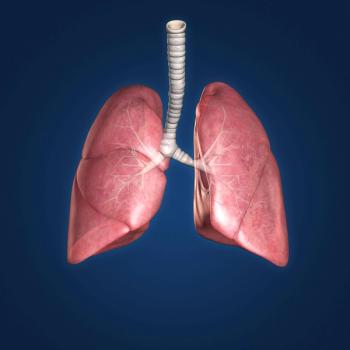
ASCO updated guidelines for the treatment of certain patients with advanced non-small cell lung cancer (NSCLC).
We are never prepared to hear the words, "You have cancer."
Patient-centered care is about more than you may think!

CRISPR technology may one day lead the field in turning off genetic mutations that cause numerous diseases, such as lung cancer. CURE spoke with Monte Winslow, Ph.D., about CRISPR's current use in mouse models.

A new agent showed a favorable toxicity profile for patients with epithelial ovarian cancer. The drug, mirvetuximab soravtansine (IMGN853), also demonstrated encouraging clinical activity in a phase 1 trial presented at the 2017 American Society of Clinical Oncology (ASCO) Annual Meeting.
Survivors tend to find ways to trick themselves into feeling better, from “Look Good Feel Better” to prayer. Singing in the shower (or bathtub) has helped me. What strategies have you designed?
Breast cancer and melanoma survivor comments on downsizing from a cancer survivor's perspective.

Peter Voorhees, M.D., discusses the advancements in multiple myeloma treatment, as well as where he hopes the field will go in coming years.
A cancer diagnosis and treatment can take over your whole world. Here are a few ways to reclaim parts of your life and ease some of the emotional stress that cancer brings.
Testing for breast cancer patients seems to be unending. Receiving the results can be nerve wracking but learning to accept results with with grace is powerful.

Individualized treatments are key for older patients with breast cancer, expert Arti Hurria, M.D. said.

“The goal is to identify more of these driving genetic alterations and to come up with treatments that we can target,” said Das in an interview during an interview with CURE.

When patients are diagnosed with lung cancer, one of the first questions they're often asked is, "Do you have a history of smoking?"
What is the story you share with the world, and how has cancer changed it?
It was four years after my mastectomy when I noticed something strange.

Bills mysteriously paid. Old friends reunited. These are some of the stories of compassion told by people touched by cancer.

The Defeat GBM Research Collaborative is an effort based around three broad ideas: five years, $10 million and a question.
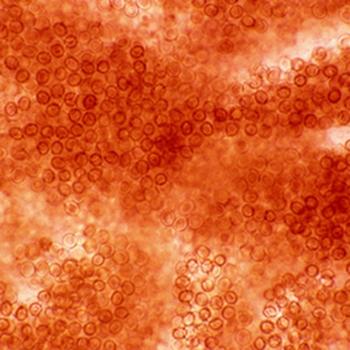
Kendra Sweet, M.D., discussed the various factors that must be taken into account when prescribing first-line therapies to patients with CML, the novel studies that are paving the way for improved outcomes in patients, and the increasing likelihood for TKI discontinuation on the horizon.

Can a drug used to treat arthritis also be a way to treat polycythemia vera (PV), and save patients with the blood cancer money?
Lymphedema can cause problems when you run out of veins.