






Often facing greater disease-related risk, younger women with breast cancer are asked to weigh fertility, sexual health and body image issues within a short window of time – in many cases, without as much guidance as they would like.
Often facing greater disease-related risk, younger women with breast cancer are asked to weigh fertility, sexual health and body image issues within a short window of time – in many cases, without as much guidance as they would like.

The U.S. Food & Drug Administration has approved Odomzo (sonidegib) for the treatment of patients with locally advanced basal cell carcinoma who have experienced a recurrence of this condition after surgery or radiation, or who weren't eligible for those therapies.

I decided to go ahead with my scheduled breast reduction. I'd wait for the genetic testing results, from two weeks to two months. I decided that, for me, breast reduction would still be my choice, even if I had genes that imposed a 50 percent to 80 percent increase in the likelihood of breast cancer. Those of you who read my last post have been waiting with me. I wanted to pose a real-time, real-life conundrum.
Male breast cancer survivor Khevin Barnes tells of an unexpected visitor–and an unforgettable lesson.

An online tool is designed to help men with prostate or other types of cancer deal with sexual dysfunction and other common side effects of treatment.

Oncology experts supported a patient-driven online petition asking Congress to give the government, patients and other stakeholders more power when it comes to negotiating prices for cancer drugs.
Practical tips on how to help a sick friend.
Colorectal cancer is the third leading cause of cancer-related deaths in the United States when men and women are considered separately, and the second leading cause when both sexes are combined.

CURE sat down with Suresh S. Ramalingam to discuss important considerations for patients, caregivers, nurses and physicians when treatment with an immunotherapy begins.







Hirsch Honored With Addario Lectureship Award in Lung Cancer
Kevin continues to explain how to stay alive in a world that's pretty much trying to do the other thing to you.
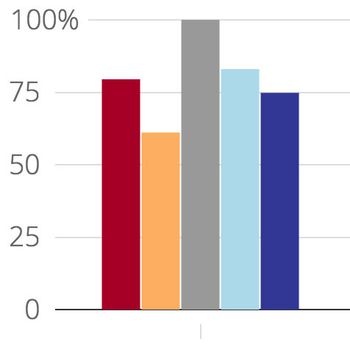
It is known that the fertility of adolescent and young adult patients with cancer can be put at risk by treatments, but little research has been conducted looking at awareness, counseling and actions in this area.
Deciding how to approach a cancer anniversary can be exciting, scary or maybe just somewhere in between.
Understanding how the immune system controls itself has led to advances in immunotherapy.
Patient success stories illustrate the hope promised by cancer immunotherapy.
Rash is the most common side effect of cancer immunotherapies, but patients should watch for more serious issues.

Continuing Avastin (bevacizumab) in patients with recurrent glioblastoma after progression of the disease does not improve patient outcomes, according to results from the phase 2 CABARET trial.

An analysis of three interrelated biomarkers in high-risk low-grade glioma (LGG) has identified distinct risk groups by isocitrate dehydrogenase (IDH) mutation status and suggested appropriate treatment strategies.
Rick Bulifant shares his bladder cancer story.
If demanding to be involved in treatment decisions is considered defiant, I'll be defiantly alive.
For some with lung cancer, immunotherapies are sparking long-lasting responses.
A grumpy and grateful cancer survivor reflects on her neuropathy and lymphedema.
Sugar does not feed cancer cells any differently than it feeds healthy cells.
Kevin explains, in a rather tedious manner, his procedure for washing his hands and other immune-deficient oddities.