





Multidisciplinary care, a collaborative approach where various healthcare disciplines come together, is essential for treating those with prostate cancer.
Multidisciplinary care, a collaborative approach where various healthcare disciplines come together, is essential for treating those with prostate cancer.

A significant development in the treatment of advanced melanoma has recently emerged: tumor-infiltrating lymphocyte (TIL) therapy.

Nine years after my bladder cancer diagnosis, I reflect on its recurrence, caregiving, grief, and my new life with leukemia and renewed gratitude.

The FDA approved Zegfrovy for advanced non-small cell lung cancer with EGFR exon 20 mutations after chemotherapy.

In part 4, the author reflects on her mother’s silent strength and unwavering love during her cancer journey, as she cared for her daughter while silently battling her own illness.
Mark Daniels, 83, says CAR T-cell therapy and strong support helped him overcome lymphoma twice and return to the fitness-focused life he values.

Tamron Little was diagnosed with peritoneal mesothelioma in 2007 as a 21-year-old new mother. Catch up on Tamron's blogs here!

The FDA approved Lynozyfic for relapsed multiple myeloma, but serious risks require restricted use under a special safety program.
Valarie Traynham, a cancer thriver and patient advocate, imparts advice and discusses survivorship after a cancer diagnosis.

Two glioblastoma patients treated with Temferon have lived 3 years post-surgery; one had no progression, the other stabilized after initial progression.
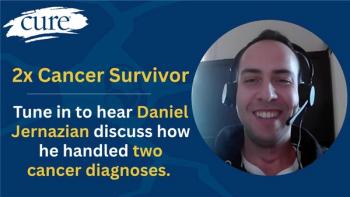
Daniel Jernazian, who beat cancer twice, credits his sports mindset for survival and calls it winning his ‘life World Championship’.
In part 3 of “This Wasn’t the Plan,” a young woman reflects on her father’s strength during his illness and how, after her own diagnosis, their bond became her greatest source of courage.
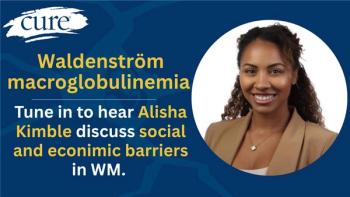
Patients in rural or underserved areas may have worse outcomes, highlighting the need for early support to address care access barriers.
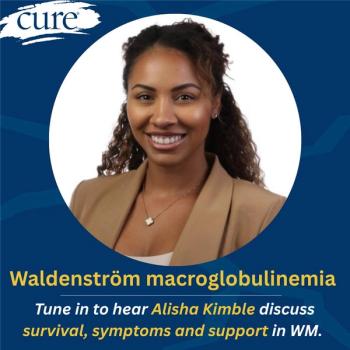
Waldenström macroglobulinemia is often slow growing, with a 78% five-year survival rate, but chronic conditions can affect quality of life over time.
Breaking down what patients should know about each FDA therapeutic approval from June 2025 across various oncology indications and cancer types.

After years off medication, I finally enjoyed a grapefruit cocktail — symbolizing freedom from cancer’s constant shadow and hope for the future.

Three of five patients with advanced colorectal cancer responded to leronlimab, including one complete response lasting five years, according to new data.
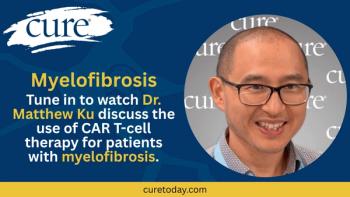
Dr. Matthew Ku discusses what CAR T-cell therapy is and how it works to target diseases like myelofibrosis.
In part 2 of “This Wasn't the Plan,” a young woman recalls her stage 4 blood cancer diagnosis and how chemotherapy revealed unexpected reserves of strength.
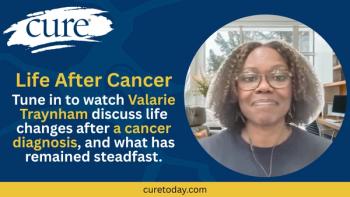
Valarie Traynham discusses some of ways her life has changed since being diagnoses with cancer, and what parts of her identity have remained the same.
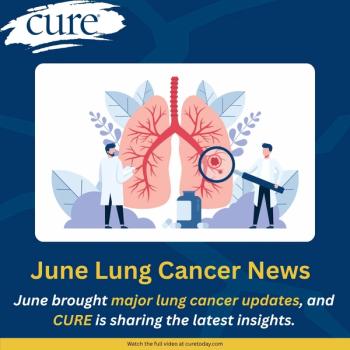
During June, investigators reported new data that has advanced the treatment landscape for lung cancer, including new FDA approvals and priority reviews.

After years of survivorship, I’m realizing that shedding extra pounds may do more than improve comfort — it could reduce my risk of recurrence.
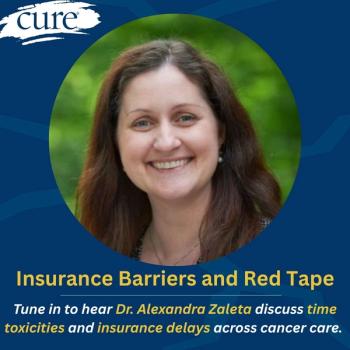
Dr. Alexandra Zaleta discusses how most cancer patients face prior authorization delays, despite 95% being approved, highlighting the need for reform.
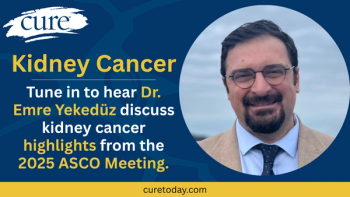
Dr. Emre Yekedüz discusses how ASCO 2025 highlights precision medicine, biomarkers and the gut microbiome as keys to advancing kidney cancer care.
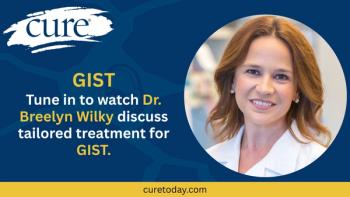
Dr. Breelyn Wilky stresses the importance of expert guidance and second opinions for patients with GIST, as treatment options continue to evolve rapidly.

Diagnosed with incurable cancer in her 20s, Nathalie Jean rebuilt broken systems in public service — only to face wage theft and silence after success.
CURE asked cancer survivors, thrivers, advocates, and those whose lives have been touched by cancer: what does National Cancer Survivors Month mean to you?
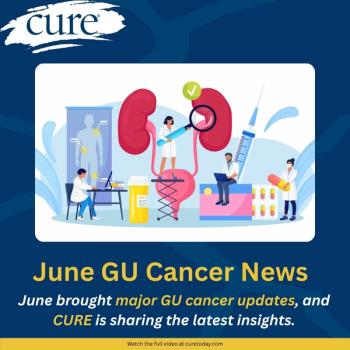
June brought genitourinary cancer updates, and CURE is sharing the latest in kidney cancer treatment, as well as FDA approvals, cancer vaccines and more.

At age 19, I was a medical student with big dreams — until stage 4 blood cancer changed everything, leading to a journey of resilience and quiet hope.

I share how hope, even when uncertain, helped me through cancer and honors its role in balancing realism, resilience and emotional survival.