
Zac Mirecki reflects on six years of survivorship, sharing how his AML journey taught him to priori-tize self-care, seek connection, and support others through advocacy.
Zac Mirecki reflects on six years of survivorship, sharing how his AML journey taught him to priori-tize self-care, seek connection, and support others through advocacy.

Learning I carried the BRCA1 mutation was terrifying, but it gave me the power to choose prevention, embrace survivorship, and honor my journey with purpose.
In part 3 of “This Wasn’t the Plan,” a young woman reflects on her father’s strength during his illness and how, after her own diagnosis, their bond became her greatest source of courage.
In part 2 of “This Wasn't the Plan,” a young woman recalls her stage 4 blood cancer diagnosis and how chemotherapy revealed unexpected reserves of strength.
Diagnosed with incurable cancer in her 20s, Nathalie Jean rebuilt broken systems in public service — only to face wage theft and silence after success.
At age 19, I was a medical student with big dreams — until stage 4 blood cancer changed everything, leading to a journey of resilience and quiet hope.
Cancer survivor Morgan Newman shares how self-advocacy helped her overcome barriers to care and find the support she needed after treatment.

If I’d gone flat after my mastectomy, I might be healthy now, but my breast implants led to more cancer, heart failure and years of pain.
It’s a bad day when a doctor says you have cancer. It’s a worse day when he says it’s stage prostate cancer with a metastatic lesion.
Speaking up during cancer treatment helped one patient manage side effects, address insurance issues and stay productive throughout chemotherapy.

The bad news is you have ductal carcinoma in situ. The good news is that DCIS is the best type of breast cancer to get.
I feel unprepared and overwhelmed after my breast cancer diagnosis, facing treatment like a race, hoping for the strength to reach the finish.
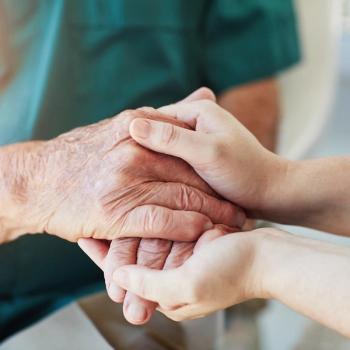
I’m working to make cancer treatments less painful by developing donor-derived CAR therapies, so others don’t have to suffer the way I did.

Patricia Chin, a registered nurse, forms meaningful bonds with patients, providing expert care, emotional support and kindness through cancer treatment.
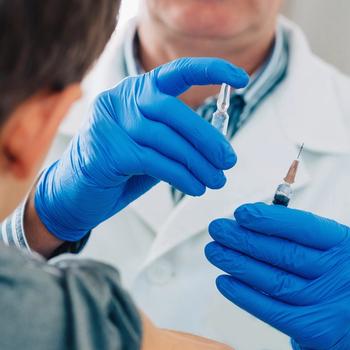
Facing two life-threatening diagnoses, I overcame fear of self-injections by leaning on love, encouragement and determination to save my life.

After being diagnosed with breast cancer at 39, I learned to advocate for myself, transforming fear into fierce resolve and purpose through every step.
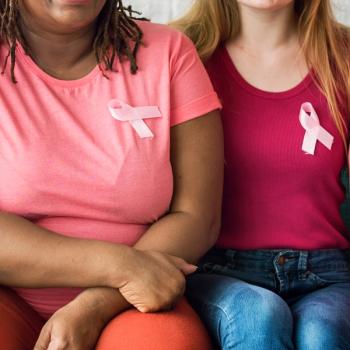
After my breast cancer treatment, I started a clothing bank to give others free access to recovery items like post-surgery shirts and pillows.
I’ve lived with large granular lymphocytic leukemia for 16 years and have learned to spend my energy wisely, embrace palliative care and choose joy over anger.
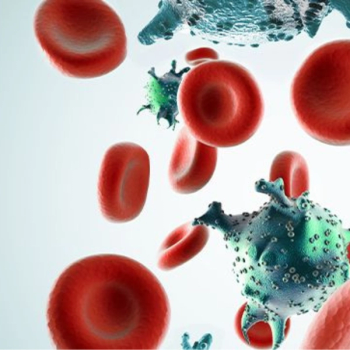
I found purpose after my AML diagnosis by reflecting on loss, embracing gratitude and using my experience to help others through their own cancer journeys.
I’m a single mom with chronic lymphocytic leukemia sharing how cancer tested me but revealed my resilience, hardship and the power of speaking up.
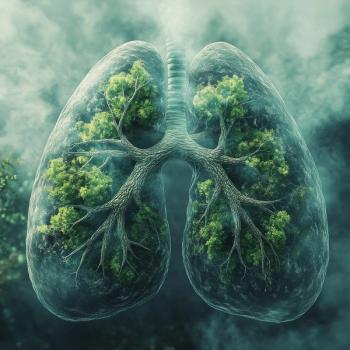
Recently, the American Lung Association released the 2025 “State of the Air” report.
After walking alone in Chicago’s Cancer Survivor’s Walk, I found strength, healing and a renewed commitment to live fully and authentically — starting now.

Breast cancer cracked me open but didn’t break me — it gave me voice, purpose and courage to dream boldly, live fully and speak up for those who can’t.
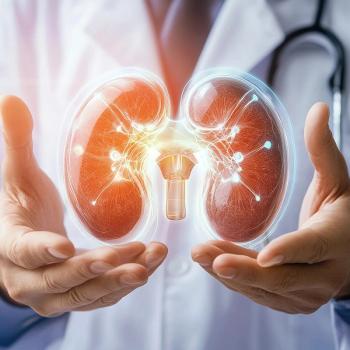
Living with stage 4 kidney cancer has taught me to embrace the present, cherish connection and find gratitude each day in unexpected places.
After 30 years with breast cancer, I urge others to pause, reflect and choose care based on long-term wellbeing, not fear or pressure.
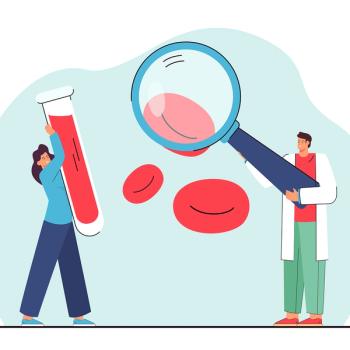
After nearly 30 years with cancer — community, research and education have helped us find hope, strength and purpose in the face of chronic blood cancers.
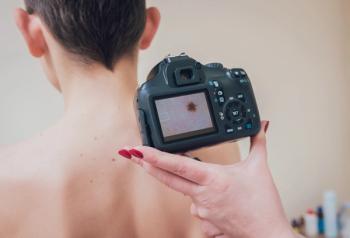
I was diagnosed with stage 3 melanoma at 31, faced recurrence and now share my journey to raise awareness, stay hopeful and trust in God’s plan.

I’ve spent 14 years navigating recovery, mental health challenges and giving back to the cancer community through patient mentorship.
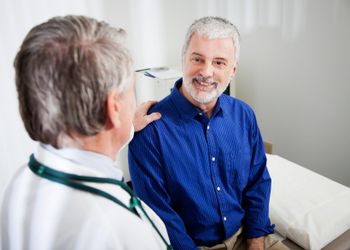
A patient shares his experience with a squamous cell carcinoma diagnosis, treatment and recovery.