


Here are the top 5 CURE stories for July 2019.
Here are the top 5 CURE stories for July 2019.

Genomic distinctions between bladder cancer variances are revealed through rapid autopsy, according to one study, and may help push forward bladder cancer research.

Karen, who received her bladder cancer diagnosis in 2010, was faced with a similar challenge after her husband was diagnosed with the same disease just six years later.

In this week’s episode of the “CURE Talks Cancer” podcast, we spoke with a bladder cancer survivor turned caregiver about the advice she would give her newly-diagnosed self.
A medical oncologist discusses the findings of three clinical trials presented during the 2019 American Society of Clinical Oncology Annual Meeting.
The Bladder Cancer Advocacy Network announced the recipient of its prestigious Bladder Cancer Research Innovation Award.
Compared with single-agent therapy, the combination of Yervoy and Opdivo showed a 38% overall response rate.

After progressing on prior therapy, 44% of patients with locally advanced or metastatic urothelial cancer who were treated with enfortumab vedotin demonstrated a response to treatment, according to phase 2 study findings.

From today’s top performers to the latest in scientific research, here’s what is making headlines in the cancer space this week.
From World Blood Cancer Day to today’s top performers fundraising for lifesaving research, here’s what’s making headlines in the cancer space this week.
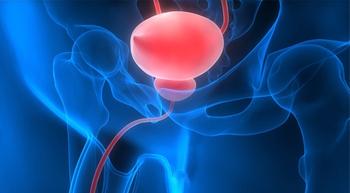
With no available diagnostic tests for the detection and/or monitoring of bladder cancer, researchers from the Medical College of Georgia at Augusta University may have two new urine tests that determine the disease’s severity and detect for its recurrence.

May is recognized as Bladder Cancer Awareness Month. Know the facts and statistics in order to understand your risk for the disease and take preventative actions to guard your health.

A recent study showed that postmenopausal women demonstrated a significant reduction in the risk for bladder cancer after quitting smoking, highlighting the need for prevention and cessation programs in older women.

Researchers at Baylor College of Medicine found that a particular subgroup of patients with advanced bladder cancer, identified with a computational tool, responded to immunotherapy.

A person’s pre-existing mental state may negatively influence their health, but professional support can help maintain the best mindset, say researchers.

Researchers found that women who went into menopause before 45 years old were at greater risk for bladder cancer than women who experienced it later.
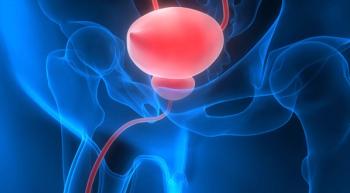
After more than 30 years of relative stability, the treatment landscape for urothelial cancer has seen updates in recent years that provide hope for patients.

According to survey results, almost 30% of non-muscle invasive bladder cancer survivors experienced at least one PTSD symptom.

The Food and Drug Administration granted accelerated approval to Balversa to treat locally advanced or metastatic bladder cancer with a type of susceptible genetic alterations known as FGFR3 or FGFR2, in patients who have progressed during or following prior platinum-containing chemotherapy.
A percentage of patients with urothelial carcinoma saw their disease shrink or disappear after treatment with enfortumab vedotin in a phase 2 clinical trial.

An expert discusses the future of immunotherapy in light of new frontline treatments like Keytruda that have been demonstrating positive results for patients with non–muscle invasive bladder cancer.

Women with frequent urinary tract infections (UTIs) were more likely to experience lower quality diagnostic processes when it comes to screening for bladder and kidney cancer.
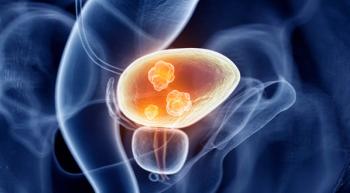
Although muscle-invasive disease is often treated by removal of the bladder, experts reveal potential high risk of death.
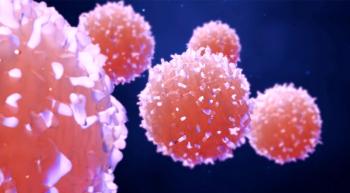
At the 2019 Genitourinary Cancers Symposium, Arjun V. Balar discussed the past, present and future of immunotherapy for the treatment of bladder cancer.

After a review of more than 600,000 people, researchers discovered an association between foods consumed and bladder cancer risk.