
Writing can provide a release for all the emotions bottled up inside that you can't quite say out loud, and can help when coping with the cancer journey.

Writing can provide a release for all the emotions bottled up inside that you can't quite say out loud, and can help when coping with the cancer journey.

In deciding when to undergo mastectomy or oophorectomy, women with BRCA gene mutations must weigh the importance of their fertility against their anticipated longevity.

There's only one thing better than hearing you don't have cancer.

The Food and Drug Administration has granted approval to the combination of Nerlynx and Xeloda for the treatment of patients with advanced or metastatic HER2-positive breast cancer.

A look at a survivor's survivorship appointment.

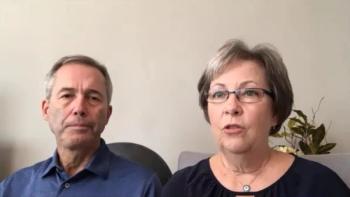
A mother and daughter share their personal journey with breast cancer to help inspire others facing a life-altering diagnosis.

From the first child born to a patient with cancer from an egg matured in a lab to women with breast cancer taking to the runway for New York Fashion Week, here’s what is making headlines in the cancer space this week.


A man with breast cancer looks at diet, data and breast density in relation to how he got his cancer.

Hair loss, a common side effect of some chemo drugs, affects us all in different ways. Yet when hair grows back differently, it becomes a reminder of the changes that come with a diagnosis of cancer.

Words of courage from a friend who knows that "getting through" may not be the point.

Gratitude is my ultimate coping tool for managing my cancer survivorship.

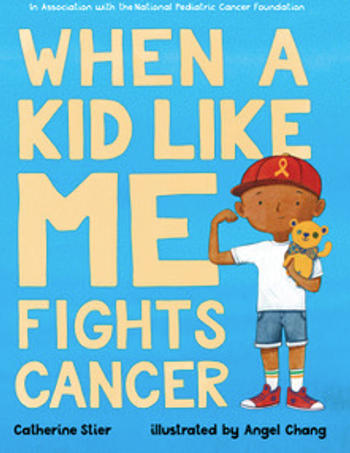
Even after her death from breast cancer, a pediatric nurse continues to help heal children with a book meant to lift their spirits and raise money for their care.

Cancer, like many things in history, can be an unexpected landmark in our lives. With it can come crushing fear. If you feel that, even years after that moment in time, you are not alone.

The effects of the cancer journey extend to every member of the family, and children will often handle it differently than adults.


February is National Cancer Prevention Month; do you know your risk of hereditary cancer?

An optimistic attitude can prove effective in battling a cancer diagnosis, no matter who you are.

Although most older women with breast cancer didn’t use the painkillers persistently, new study findings show women who received chemotherapy were at greater risk of new-onset persistent use.

Why reducing your risk matters right now — whether you or someone you love is in treatment or hoping to avoid a recurrence.