





Some patients with early HER2-negative breast cancer at high risk for disease recurrence achieved meaningful benefit with Lynparza after receiving standard of care therapies, such as surgery or chemotherapy.

Some patients with early HER2-negative breast cancer at high risk for disease recurrence achieved meaningful benefit with Lynparza after receiving standard of care therapies, such as surgery or chemotherapy.

A patient with metastatic breast cancer describes how the right words can offer hope to patients and the wrong ones can haunt them forever.

In this episode of the “CURE® Talks Cancer” podcast, breast cancer survivor Tomika Bryant discusses her cancer journey, advocacy work and how blogging helped her get through treatment.

“Understanding and taking action against racial differences in cancer care and clinical trial participation are made more powerful when we listen to patient voices,” writes one patient with breast cancer.
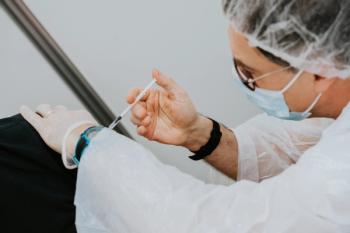
The effectiveness of the Pfizer-BioNTech COVID-19 vaccine increased significantly among patients with cancer who received a vaccine booster 21 days after receiving the first dose.

Consuming even one sugar-sweetened drink per day such as soda, fruit-flavored drinks, energy drinks, punches and sports drinks after a breast cancer diagnosis could increase the risk of mortality.

A diagnosis of diabetes, high blood pressure or cardiovascular disease within two years of being diagnosed with breast cancer impacted a woman’s risk for death related to breast cancer or cardiovascular disease.

A retired public health specialist and survivor of both thyroid and breast cancer pens a poem about her experiences with treatment and what it’s like to be “pulled under the water” by cancer.

A skin and breast cancer survivor expresses her thoughts on travel restrictions due to the COVID-19 pandemic and how it has affected her family.

Luckily, obtaining a second opinion has become easier with advances in telehealth and other virtual technologies, which allow patients to share their medical records and test results with physicians and pathologists to potentially improve treatment plans.

From a 114-year-old cancer survivor breaking records to an operating room nurse giving birth to a cancer survivor’s baby, here’s what’s happening in the cancer landscape this week.

Members of an FDA committee voted in favor of Tecentriq plus Abraxane keeping its accelerated approval for the treatment of adults with unresectable, locally advanced or metastatic triple-negative breast cancer whose tumors express PD-L1.

Women who receive a breast cancer diagnosis were more likely to develop unhealthy behaviors one and two years after diagnosis, even if they were considered healthy at time of diagnosis.

Second opinions may enhance your treatment plan or even change your course.
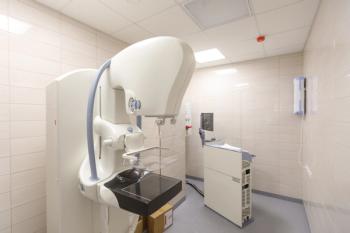
After the COVID-19 pandemic caused a delay in cancer screenings, an expert from Karmanos Cancer Hospital and Network urges patients to resume their routine preventative care to avoid any delay in a possible diagnosis.

If you missed any part of CURE®’s Educated Patient® Breast Cancer Summit, take a look at this roundup of stories that highlight the expert insight and guidance that was shared throughout the day.

Approximately one year after granting Trodelvy accelerated approval, the Food and Drug Administration granted a regular approval to the antibody-drug conjugate in certain patients with pretreated triple-negative breast cancer.

Men with breast cancer who were treated with Soltamox plus gonadotropin-releasing hormone analogue had a decrease in estradiol levels of 85%, whereas Aromasin plus gonadotropin-releasing hormone analogue reduced these levels by 72%.

The Food and Drug Administration’s Oncologic Drugs Advisory Committee unanimously voted in favor of waiting for more data before making an approval decision involving the use of Keytruda in early triple-negative breast cancer.
Dr. John Marshall and his wife, Liza, look back on the trials and tribulations of Liza’s triple-negative breast cancer diagnosis – from the perspective of a patient and her husband, the caregiver and oncologist.

Caitlin Flanagan, a patient with HER2+ metastatic breast cancer, and Sara A. Hurvitz, M.D., discuss treatment approaches and modifications during the COVID-19 pandemic.
Caitlin Flanagan, a patient with HER2+ metastatic breast cancer, discusses the learning curve of taking an oral medication, tucatinib, in combination with chemotherapy, and Sara A. Hurvitz, M.D., reviews methods for medication adherence.
Caitlin Flanagan, a patient with HER2+ metastatic breast cancer, discusses how her quality of life has been since she began taking tucatinib with chemotherapy.
Sara A. Hurvitz, M.D., reviews the advances in HER2+ metastatic breast cancer that have been made over the past decade.
Caitlin Flanagan, a patient with HER2+ metastatic breast cancer, shares her goals of treatment after progression of disease.