




View the full CURE Educated Patient Breast Cancer Summit Multi-Disciplinary Approaches to Early-Stage Breast Cancer Session on demand.
View the full CURE Educated Patient Breast Cancer Summit Multi-Disciplinary Approaches to Early-Stage Breast Cancer Session on demand.

A woman who has been living with metastatic breast cancer for seven years reflects on the strangeness of her body aging. “It’s the one thing I never imagined would happen after being diagnosed with and while living with a terminal illness – I’m actually getting old,” she writes.
Sheila McGlown provides insight into the underrepresentation of women of color in clinical trials for breast cancer and discusses reasons for these disparities.
The panel elaborates on the racial disparities in the care of breast cancer and the need for systemic change to address these disparities.
A woman who had an aesthetic flat closure after her mastectomy due to breast cancer explains what the new “Simpsons” character, Dr. Wendy Sage means to her.

The FDA’s recommendations are aimed at helping individuals and patients with breast cancer make better informed decisions about the decision to receive breast implants, according to experts.

Seven years into a diagnosis of stage 4 breast cancer, one woman has also nurtured hope.
Sheila McGlown identifies the racial disparities that exist in the treatment of breast cancer, particularly those faced by women of color, and discusses reasons why these disparities may exist.
The panel discusses strategies for locating appropriate support groups for patients with metastatic breast cancer.

Patients with breast cancer are turning to medical marijuana to manage symptoms of their disease and treatment, although conversation with health care teams are not occurring as often.

Lymphedema can cause swelling, discomfort and body image issues for patients with breast cancer, but nighttime compression may help reduce the effects of the complication.
Attention to detail is important for cancer survivors, explains a male breast cancer survivor. “Asking guys to examine their ‘chests’ is not only ineffective, but also disingenuous.”

From the death of “Friends” actor James Michael Tyler to Sally Yates’ breast cancer announcement, here’s what’s happening in the cancer landscape this week.
Cleveland Clinic’s Lerner Research Institute has initiated a new study to examine a vaccine to prevent triple-negative breast cancer.
Lisa Laudico provides insight into the value of support groups in metastatic breast cancer.
Julie Larson, LCSW, discusses the concept of self-inventory and questions patients may ask themselves to evaluate their health.
When you’re forced into menopause at an early age, you aren’t as prepared for the changes it brings. A woman with metastatic breast cancer explains the difficulties of medically induced menopause.

The rate of treatment discontinuation with Soltamox increased from 15.8% at one year after breast cancer diagnosis to 48.3% at five years, although more research is needed into why this is occurring.

Medically underserved and minority breast cancer survivors experienced improved outcomes and quality of life after participating in community-based physical activity programs, according to recent study results.

Even in the doctor’s office, the words patients hear can cover up the realities of stage 4 breast cancer. “He thought he was offering hope but what he was doing was denying my reality and minimizing the deaths of so many people,” writes a woman with metastatic breast cancer.

A women describes how the difficulties of stage 0 breast cancer is still misunderstood by many.

More than 10 years of follow-up data have shown that combining Herceptin with chemotherapy is safer and more effective than chemotherapy alone in this patient population.
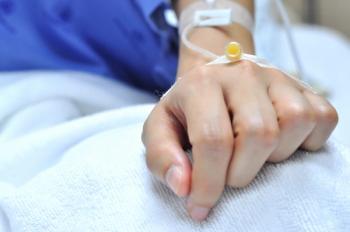
A stage 4 metastatic breast cancer survivor describes her experience with a clinical trials and how they changed the trajectory of her life.

Several breast cancer survivors share how they stay mentally strong while living with breast cancer.

From former New York Islanders hockey player Mike Bossy announcing that he has lung cancer to First Lady Jill Biden emphasizing the importance of breast cancer screenings, here’s what’s happening in the cancer landscape this week.