



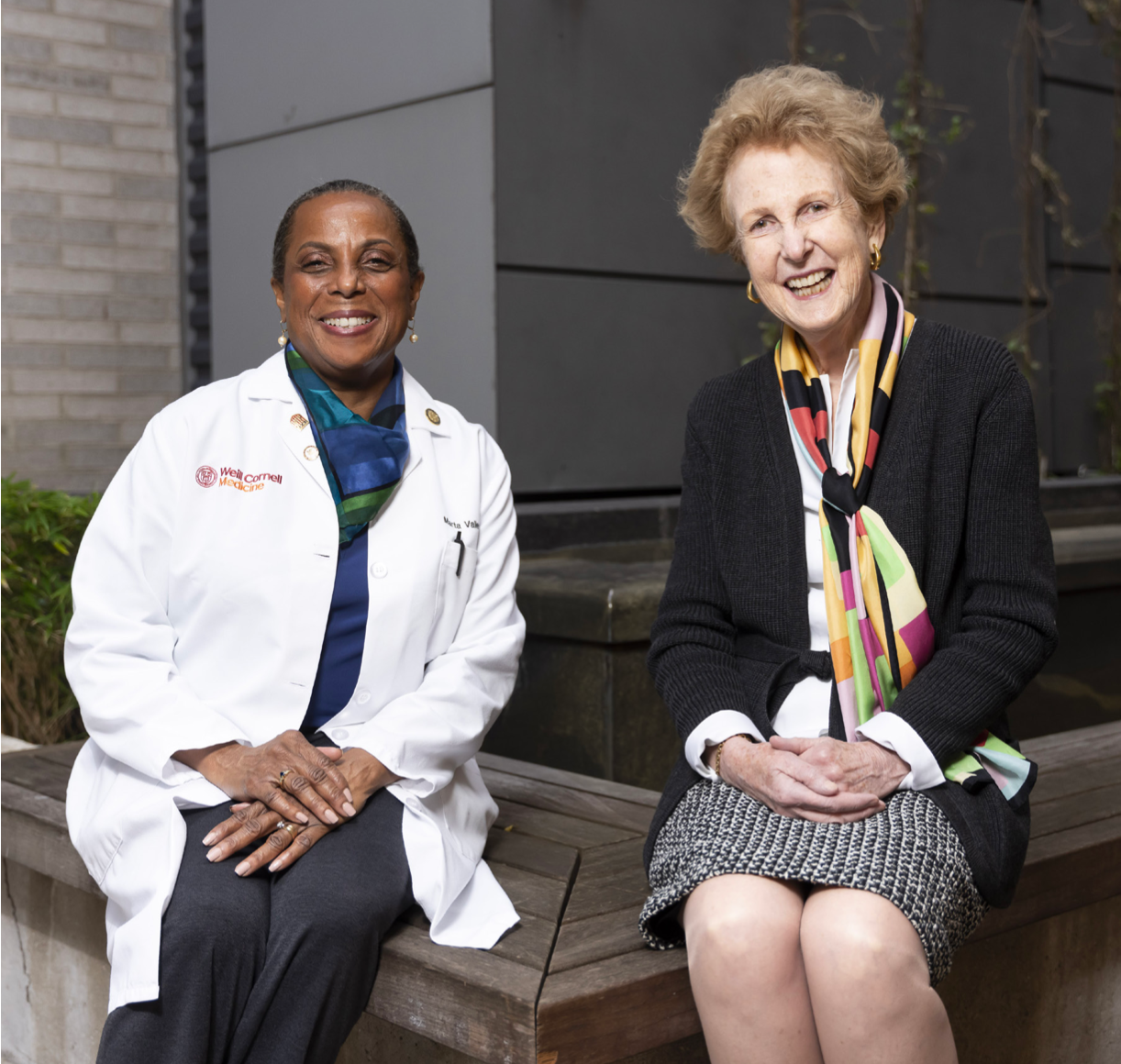

A man describes his wife’s tireless efforts to advocate for people of color in the metastatic breast cancer field, where many still face disparities within care, inclusion in clinical trials and survival outcomes.
A man describes his wife’s tireless efforts to advocate for people of color in the metastatic breast cancer field, where many still face disparities within care, inclusion in clinical trials and survival outcomes.

A colleague describes how a woman who was diagnosed with breast cancer that later metastasized felt a lack of support and research, leading her to launch support programs for other patients and step into the advocacy field.

A breast cancer survivor describes how preparing an outfit for her son’s upcoming wedding and seeing social media photos of other women sparked body envy within her for those who have not been affected by breast cancer surgeries.

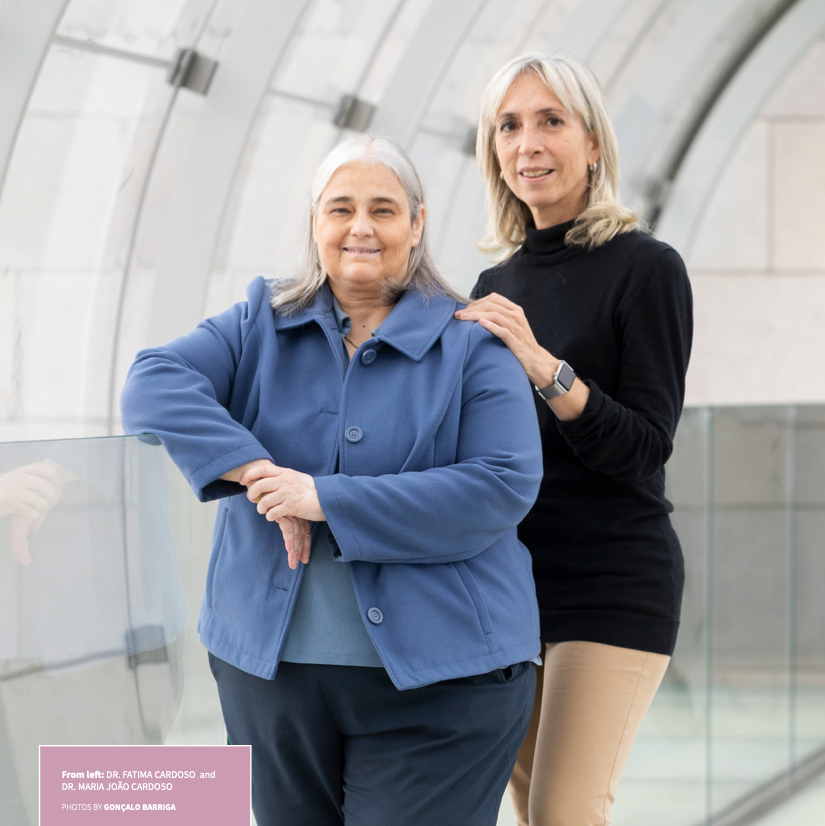
A colleague writes about a medical oncologist who has a rare metastatic breast cancer diagnosis but still manages to go above and beyond for her patients while dealing with her own cancer treatments, and how her empathy guides her.

A mother writes about her daughter — a nurse with metastatic breast cancer who passionately cares for patients even while undergoing chemotherapy — and how more treatment options are desperately needed.

Patients who limit alcohol intake during their cancer treatment may experience several health benefits, according to physicians from Tampa Bay Radiation Oncology.

A man with breast cancer explains how contracting COVID-19 led him to discovering the benefits of slowing down.

A breast cancer survivor discusses how researching cancer risks and environmental factors made her feel better equipped with information against the disease.

A survivor of multiple cancers explains how “visits” from deceased friends and loved ones made her feel safe before undergoing treatments.

Lorelei Colbert was diagnosed with triple-negative breast cancer at 28 and used her experience to launch the “Chemo to Kindness” challenge that inspired others around the world to do acts of good.

A woman living with metastatic breast cancer shares how her relationship with her sister who was adopted from Korea transformed after they both received a cancer diagnosis.

After the drug showed promising results in the DESTINY-Breast03 trial, the FDA granted Enhertu a priority review, meaning that it plans to make its approval decision on it by the end of the second quarter of 2022.

One breast cancer survivor shares the experience she had with her daughters in trying to get them to understand the importance of participating in preventive screenings.

New findings demonstrated that adult patients with breast cancer and increased BMI had an association with different types of immune cells around their tumors that may affect how their body attacks the cancer cells.

The Food and Drug Administration is expected to decide on whether to approve certain cancer regimens within the first few months of the year. Here’s what patients with cancer should know.

An expert discusses improvements in survival outcomes for patients with triple-negative breast cancer who received Keytruda plus chemotherapy — now considered the standard of care — but urges that more researched is always needed for this patient population.

Premenopausal women with ER-positive breast cancer experienced a decreased rate of recurrence when given an aromatase inhibitor, compared with those given tamoxifen. However, more research is still needed, an expert said.

The use of Faslodex plus the investigational drug samuraciclib was considered safe in individuals with heavily pretreated hormone receptor-positive breast cancer.

2021 was full of research advancements and FDA drug approvals that continue to improve cancer care for patients with a variety of malignancies.

The use of Enhertu may also be beneficial across HER2-positive metastatic breast cancer subgroups including patients with and without brain metastases.

The combination of Keytruda and chemotherapy improved survival rates in patients with PD-L1—positive metastatic triple-negative breast cancer.

CURE® takes a look back at its top-performing breast cancer articles of 2021.
A woman with metastatic breast cancer writes a poem about the dark reality of the disease that hides below the surface.

Findings from a clinical trial showed that adding Keytruda to neoadjuvant chemotherapy in patients with triple-negative breast cancer significantly improved outcomes and was overall safe and tolerable for patients.

There are many cancer clinical trials that patients can enroll in across the United States. Here is a snapshot of some of the more recent ones.