


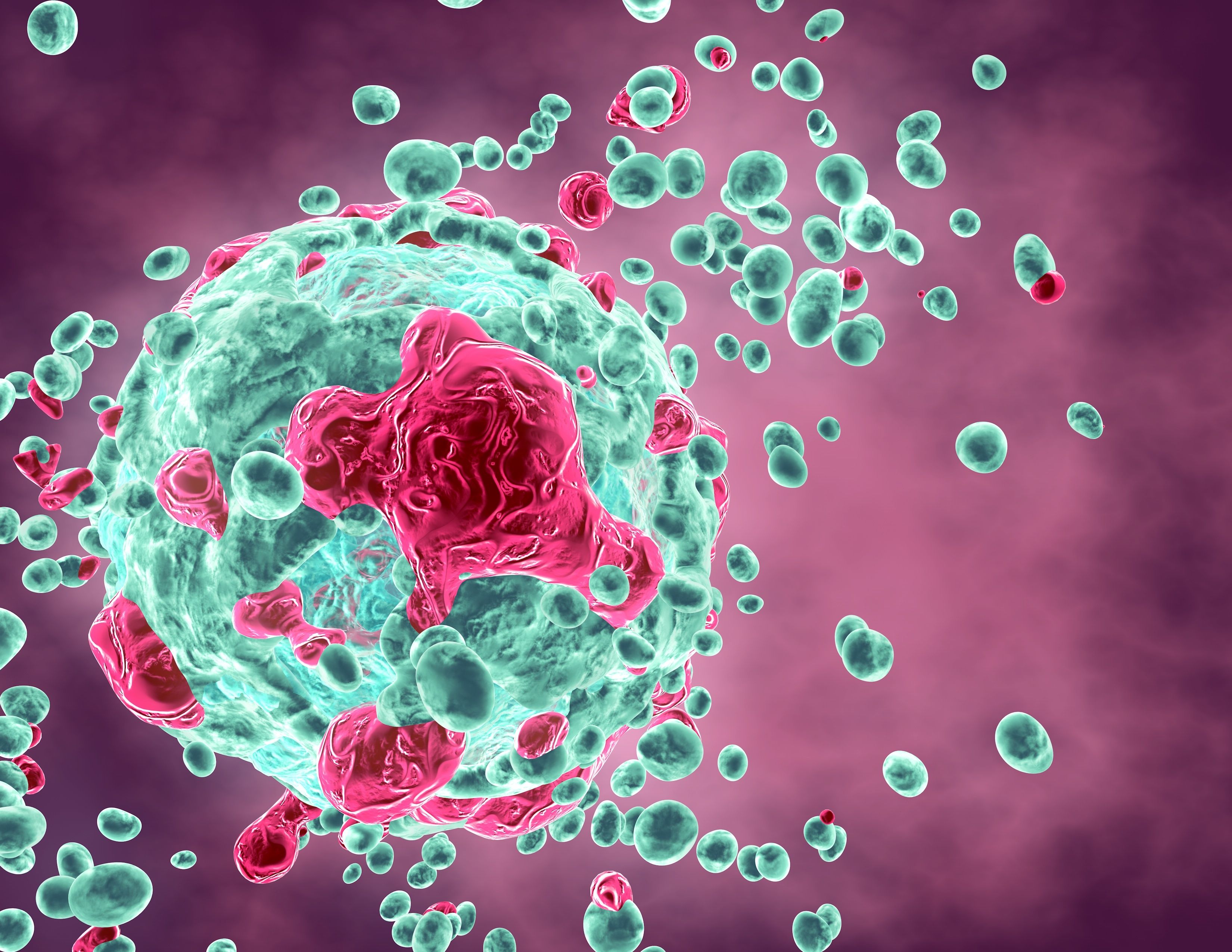


Early-phase study results showed that treatment with a novel drug elicits promising outcomes in patients with advanced or metastatic triple-negative breast cancer.
Early-phase study results showed that treatment with a novel drug elicits promising outcomes in patients with advanced or metastatic triple-negative breast cancer.
Clinical trial results show that adding Keytruda to chemotherapy prior to surgery for triple-negative breast cancer can improve outcomes and hopefully “increase the chances for patients to be cured,” according to an expert.

Treatment modifications in the pre-surgery setting led to a lower rate of pathologic complete response in Black patients with breast cancer, the researchers found.

The addition of Ibrance to endocrine therapy was not associated with preventing disease recurrence in patients with hormone receptor (HR)–positive, human epidermal growth factor receptor 2 (HER2)–negative early breast cancer, according to final results of the phase 3 PALLAS trial.

Researchers hypothesized that metformin — a medication that helps lower insulin levels in patients with diabetes and is associated with inducing weight loss — might improve breast cancer outcomes.

The use of elacestrant, an investigational therapy, elicited a 30% reduction in the risk of disease progression or death compared with standard of care in a group of patients with estrogen receptor (ER)–positive, HER2-negative metastatic breast cancer.

Ibrance plus Faslodex improved progression-free survival in certain patients with metastatic breast cancer, compared with those who continued to receive an aromatase inhibitor.

Black race is associated with a 3.5-fold increased incidence of lymphedema in women with breast cancer treated with axillary lymph node dissection and radiotherapy, according to recent data.

CURE’s Metastatic Breast Cancer Heroes™ Award Program expresses gratitude to the heroes who impact the lives of patients with metastatic breast cancer.

A mother of a young breast cancer survivor shares the letter she wrote to Santa explaining her only Christmas wish.

Patients who understand their roles and responsibilities may better help their care teams understand what they may be at risk for in their cancer survivorship.

A male breast cancer survivor takes a critical look at the confusing marketing campaigns that surround his disease.
On this episode of the “Cancer Horizons” podcast, a man explains how his late wife’s breast cancer diagnosis changed his life and his understanding of the disease.

Certain post-menopausal women with HR-positive, HER2-negative breast cancer may be able to only undergo endocrine therapy after surgery – sparing themselves from the chemotherapy side effects.

Certain over-the-counter supplements can make chemotherapy less effective or even be the reason a breast cancer surgery is delayed.

By understanding family history, an individual can better reveal their genetic breast cancer risk and whether or not they are a candidate for genetic testing.

A breast cancer survivor describes the mixed bag of emotions she has about getting a routine mammogram the day before Thanksgiving, and how she remains joyous and thankful yet cautious and fearful.

Being informed and educated may help patients with breast cancer make a treatment decision and feel less afraid.
A caregiver and mother of a breast cancer survivor explains the common misunderstanding people have when asking how her daughter’s health post-treatment.

A woman living with metastatic breast cancer explains why TV commercials depicting carefree, happy people do not reflect the reality of her experience. “My life and the lives of those affected by metastatic breast cancer is anything but normal. Too many of us are dying every day,” she writes.
The panel provides closing thoughts on patient advocacy and advocacy activities.
Julie Larson, LCSW, provides insight into reasons for joining clinical trials, finding trials from peers, and trials for purposes other than cancer treatment.
On this episode of the “Cancer Horizons” podcast, actress and comedian Jessica St. Clair and writer Dan O’Brien share their cancer stories and how they channeled their emotions through creativity.

An expert explains what treatment strategies are available for patients with metastatic breast cancer, how far research has come and why patients shouldn’t lose hope.
The panel discusses resources available for locating relevant clinical trials for patients with metastatic breast cancer.