




Why do some survive cancer, while others don’t? And why do those who survive often feel the aches of survivor’s guilt? Here, a survivor shares how she learned to cope.
Why do some survive cancer, while others don’t? And why do those who survive often feel the aches of survivor’s guilt? Here, a survivor shares how she learned to cope.

Increasing healthy eating habits and exercise is important in patients with breast cancer, according to an expert from Mass General Cancer Center.
Sara A. Hurvitz, M.D., reviews the history of HER2+ breast cancer and the progressive research that has been done in this disease.
Caitlin Flanagan, a patient with HER2+ metastatic breast cancer, describes her experience learning about the surplus of treatment options and how she overcame her initial apprehension.
Caitlin Flanagan, a patient with HER2+ metastatic breast cancer, shares her initial impression of when she was diagnosed.
Sara A. Hurvitz, M.D., describes the subtypes, staging and grading of breast cancer.

Body image and body positivity are very important, especially after a life-changing surgery such as a mastectomy, writes a breast cancer survivor. Here, she offers fashion suggestions for “flatties” to feel their best.
Triple-negative breast cancer, which is found in 15%-20% of invasive breast cancers, is a challenge when it comes to treatment, but thanks to new drug approvals and therapy regimens, the treatment landscape has progressed in recent years, according to an expert.

Targeted therapies that attack cancer in a more precise way than traditional chemotherapy are being used more often in the field of breast cancer, but the solution in utilizing them lies within the patient-oncologist relationship, according to an expert from the Massachusetts General Hospital Cancer Center.

Mindfulness practices have been associated with improved mental health outcomes in patients with cancer. Here, an expert shares tips on how patients can strengthen their “mindfulness muscle.”

With more than 4 million breast cancer survivors in the U.S., survivorship care and understanding what happens to patients after surviving is of the utmost importance. An expert explains some side effects survivors may experience and treatments to help.

In honor of International Women’s Day, CURE® compiled some recent news and updates in women’s cancers that patients, survivors and caregivers may have missed.

A breast cancer survivor who opted for a unilateral mastectomy advises people to look at all treatment and risk reduction options when first diagnosed with breast cancer so they can avoid any regrets years later.

View the full CURE Educated Patient Breast Cancer Summit on demand.
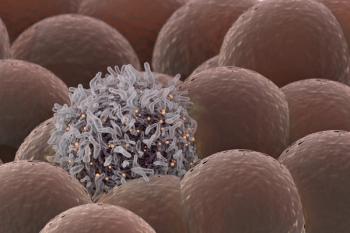
A roundup of some of the latest news and updates for patients with breast cancer from CURE®

Last week, the Food and Drug Administration (FDA) was scheduled to make a decision on whether or not they would approve oral paclitaxel plus encequidar for the treatment of metastatic breast cancer. The agency decided not to approve the regimen, and issued a complete response letter outlining why.
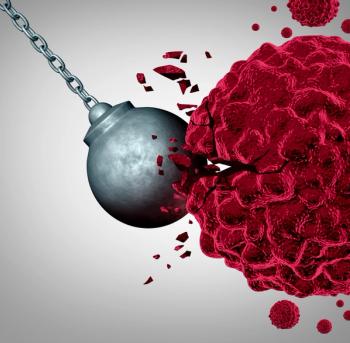
Even as chemotherapy, surgery and radiation remain treatment mainstays, immunotherapy is ready to take the stage.

Patients with prostate and breast cancer may be unknowingly putting themselves at risk while taking herbs and supplements during chemotherapy and should consult their medical team before using them, according to an expert.

A patient with metastatic breast cancer recalls how she’s been told countless times that she’s so brave, so strong and so resilient. Here, she thanks those who have influenced her and helped her be so courageous.

Although most patients reported satisfaction after undergoing a mastectomy without breast reconstruction surgery, 20.7% of women felt that their surgeon was not supportive of their decision to do so.

A cancer diagnosis often comes with concerns of what’s next for patients. One concern is how they’re going to afford their treatments. Here, a panel of experts discuss what options are available.