
MPN
Latest News

Advertisement
Latest Videos





Advertisement
More News

More than 40 percent of patients with a myeloproliferative neoplasm reported that they were unsatisfied with their current pain management strategy.

In the MEASURE trial, researchers examined the affect symptom burden associated with myeloproliferative neoplasms has on patients’ lives.
For this episode of the CURE Talks Cancer podcast, we spoke with Scott Hamilton, an Olympic gold medalist, cancer survivor and founder of the Scott Hamilton CARES Foundation

At the MPN Heroes Event, Olympic skater Scott Hamilton discusses importance of advocacy and research.
While Jakafi has been providing promising outcomes so far, there are still some side effects that patients and providers should look out for.

A Danish study demonstrated smokers were 2.5 times more likely to develop a myeloproliferative neoplasm compared with their non-smoking counterparts.

Two treatments that may help patients with a potentially deadly blood cancer live longer and prevent the incidence of thrombosis (blood clots) are being underused.
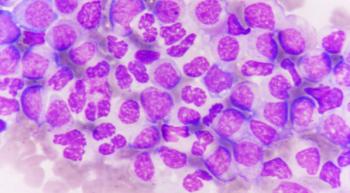
After seeing encouraging phase 1 results, the phase 2 portion of a clinical trial currently evaluating the efficacy of the BET inhibitor CPI-0610 in patients with myelofibrosis has been enhanced and expanded.

For many patients with polycythemia vera, hydroxyurea is a beneficial first-line treatment. But that’s not the case for everyone. One expert discusses which drugs should be used next.

Understanding the type of MPN can affect how care is carried out and how well it may work.
Diagnosing and treating the disease before it turns into AML is a key area of study, said Srdan Verstovsek, M.D., Ph.D., medical oncologist and professor in the Department of Leukemia at The University of Texas MD Anderson Cancer Center.

Researchers discovered that at least 50 percent of people surveyed had an employment change because of their disease.
Genomics are starting to play a crucial role in treatment planning for patients with essential thrombocythemia.
Patients with essential thrombocythemia should know the signs and symptoms of blood clots.
Since these are difficult diseases to treat, research has been quite slow over the last decade or so, but continues to pick up, developing new treatments for patients with these diseases.
“What we really want this to do is be a place for patients to facilitate conversations with their doctor,” Michelle Woehrle, executive director of MPN Research Foundation (MPNRF) said.

Recent research showed first-degree relatives of patients with certain types of blood cancers may be at an increased risk for such disease, highlighting the importance of counseling, gene testing and surveillance.

"The objective is to equip the research and drug development communities with the data needed to move better MPN treatments, and potentially, cures, through the discovery pipeline more quickly."

A national survey demonstrated shared feelings across all blood cancer types about treatment options and their side effects, as well as other social, financial and emotional aspects.
The award recognizes individuals and organizations who are making a difference in the myeloproliferative neoplasm community

The Food and Drug Administration (FDA) has granted a priority review to a new drug application (NDA) for glasdegib to treat patients with previously untreated acute myeloid leukemia (AML) in combination with low-dose cytarabine (LDAC), which is a type of chemotherapy, according to Pfizer, the manufacturer of the drug.

While JAK inhibitors have proven to be an effective treatment for patients with myelofibrosis, a type of myeloproliferative neoplasm (MPN), they may come with a severe downside – in particular, a 16-fold increase in the chance of developing a B-cell lymphoma, according to recent research published in the journal Blood.
An MPN diagnosis can be overwhelming, but here are some of the basic facts every newly diagnosed patient should know.
An expert discusses a trial comparing recombinant interferon alpha-2 with hydroxyurea in patients with myeloproliferative neoplasms (MPNs).
After finding out she had an MPN, Barbara Abernathy, Ph.D., like many other people, felt numb. But then it was time to find her fight mode.
Advertisement
Advertisement
Trending on CURE
1
Stage 4 Breast Cancer: How a Second Opinion Saved Her Life
2
Psycho-Oncologist Answers 5 Common Questions About the Emotional Impact of Cancer
3
How a Cancer Survivor Learned to Stop Hiding His Surgical Scars
4
FDA Flags Possible Colitis Risk With CDK4/6 Breast Cancer Drugs
5