
The expertise, guidance and overall compassion of Katherine Caprinolo, B.S.N., RN have quite literally helped me survive these past two years.

The expertise, guidance and overall compassion of Katherine Caprinolo, B.S.N., RN have quite literally helped me survive these past two years.

Cancer is a dangerous disease that comes with many difficult decisions, making me constantly feel like I’m living on the edge.
Well-meaning comments can come off as bothersome — or even hurtful — to me as I navigate cancer.

Earlier in the year, clinical trials assessing magrolimab for myelodysplastic syndrome and acute myeloid leukemia were put on a partial clinical hold, but now the FDA said that they can start enrolling patients again.

Early 2022 was difficult for me, with the death of my dog and some difficult cancer-related situations, but thankfully, I know wonderful people who helped pull me out of my slump.

All clinical trials investigating the combination of magrolimab and the chemotherapy Onureg have been paused due to unforeseen serious side effects experienced by patients with various blood cancers receiving the treatment.
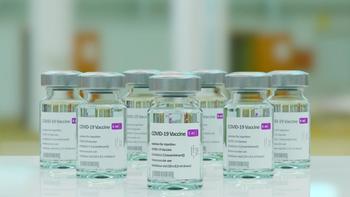
Most patients with acute myeloid leukemia and myelodysplastic syndrome achieved strong antibody responses to COVID-19 vaccination, according to recent study results.

A cancer survivor explains how the new treatments coming out for all types of cancer give her hope. “If we are diagnosed today, a cure or remission may come out next week or next month, or next year to give us additional time to live,” she writes.

A phase 2 trial of aspacytarabine (BST-236) was initiated in patients with AML and MDS.
A cancer survivor explains why each person experiences cancer differently – from side effects to treatments and more.

A patient with MDS writes about facing fears during the treatment journey.
How are myelodysplastic syndromes diagnosed and staged? What causes them? An expert from Moffit Cancer Center offers insight.

The FDA will expedite the development and review of the drug combination to treat untreated intermediate- high- and very high-risk myelodysplastic syndrome.

Previously, Vidaza alone showed poor response rates for patients with TP53-mutated, myelodysplastic syndromes and acute myeloid leukemia, but adding the novel agent eprenetapopt improved response rates and overall survival in this patient population.