


Skin Cancer
Latest News
Advertisement
Advertisement
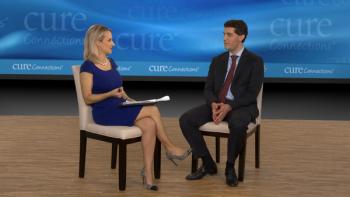
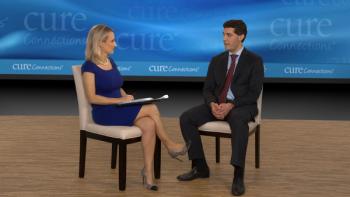

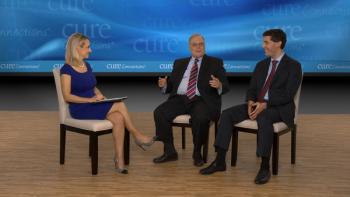
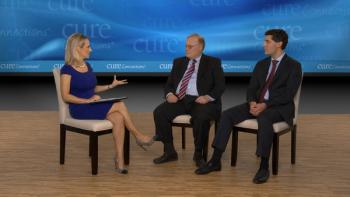
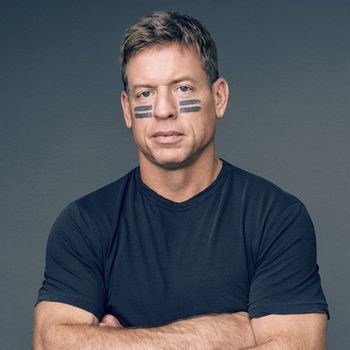
During the 14th “Focus on Melanoma” patient and educational conference held in Philadelphia, Troy Aikman joined Lynn Schuchter for a “fireside chat” about his life, football and his journey with stage 2 melanoma.

The immunotherapy combination of Opdivo and Yervoy continues to show promise as it presented overall survival benefits for patients with advanced melanoma.

Many advances have been made regarding immunotherapy to treat melanoma, and there is also more to come, says Antoni Ribas.
One oncology nurse took action to address skin toxicities associated with EGFR-inhibitor (EGFRI) targeted therapies.

The combination of Yervoy and Opdivo showed a 42 percent improvement in overall survival compared with Yervoy monotherapy for patients with advanced melanoma in a two-year assessment of the phase 2 CheckMate-069 trial.

Opdivo (nivolumab) is showing promise for patients with metastatic melanoma.

Although immunotherapies have been approved for use for patients with metastatic melanoma, doctors are still apprehensive to use them as a frontline treatment option.

Since its founding in 2007, MRA has become the largest private funder of melanoma research, providing nearly $68 million to melanoma research in the areas of prevention, diagnosis and treatment.
The Skin Care Foundation emphasizes that skin cancer is highly treatable and can even be prevented.

Hall of Fame quarterback Bob Griese lost his first wife and numerous friends to cancer. Now, he’s using his celebrity to help raise awareness and funds.
Advertisement
Advertisement
Trending on CURE
1
Could a Genomic Test Spare You Extra Years of Hormone Therapy?
2
I’m Jealous of the World — and Grateful I Got to Be Part of It
3
My Sister and I Share a BRCA2 Mutation. We Didn’t Make the Same Choices
4
Three August Blood Cancer Approvals and What They Mean for Care
5