
A gynecologic-oncology clinical nurse specialist and one of this year’s CURE Ovarian Cancer Heroes discussed the lack of resources for patients with ovarian cancer and the need for more research.
A gynecologic-oncology clinical nurse specialist and one of this year’s CURE Ovarian Cancer Heroes discussed the lack of resources for patients with ovarian cancer and the need for more research.
COA’s head of patient advocacy discusses the role of self-advocacy in survivorship and receiving quality, affordable, accessible cancer care.
A cancer diagnosis can happen so fast, it takes a lot to wrap one’s mind around it; however, Imerman Angels – a Chicago-based, global, peer-to-peer nonprofit support group – is here to help.
Watch a video about Steve, an Optune user. Learn how Steve manages his treatment while enjoying his favorite activities.
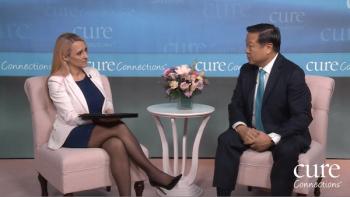
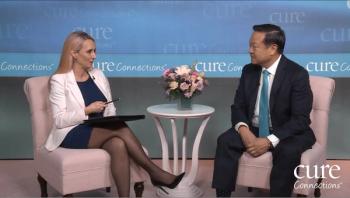
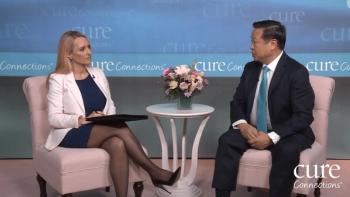
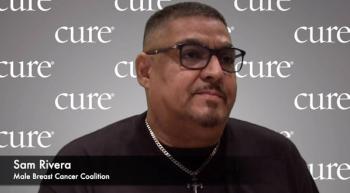
Sam Rivera, a 47-year male breast cancer survivor, sat down with CURE at the 36th Annual Miami Breast Cancer Conference to discuss the importance of communicating family health history, to advise men to be proactive about their health and to share his positive experience with the Male Breast Cancer Coalition.
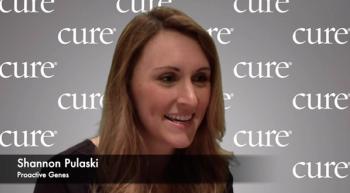
At the 36th Annual Miami Breast Cancer Conference, Shannon Pulaski, founder of Proactive Genes, sat down with CURE® to discuss how parents can relate important health information, such as genetic mutations, to children of all ages.
An expert discusses the evolving treatments for renal cell carcinoma (RCC) over the last decade, as well as the future role of immunotherapies for patients with RCC.
An expert discusses the future of immunotherapy in light of new frontline treatments like Keytruda that have been demonstrating positive results for patients with non–muscle invasive bladder cancer.